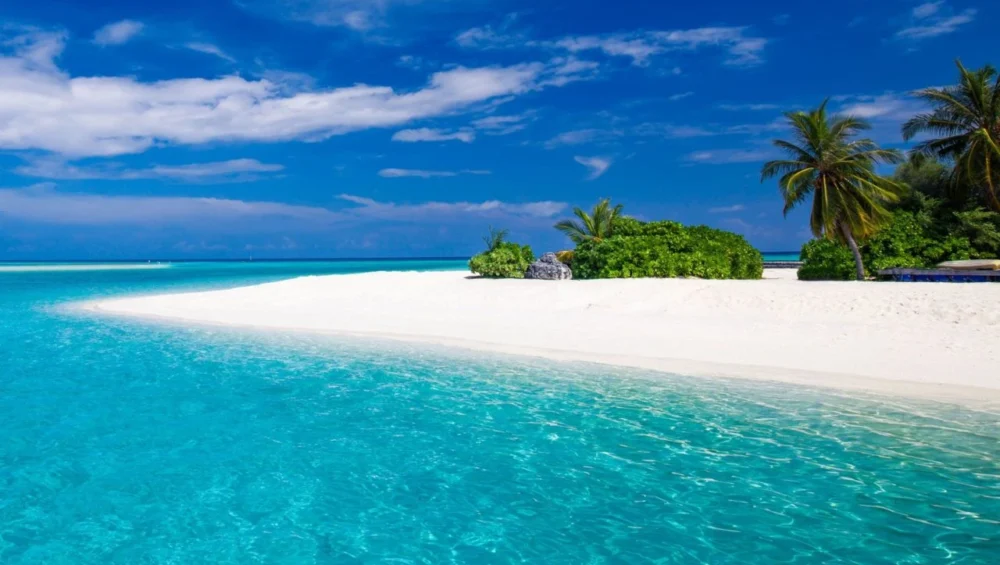
Zanzibars Beautiful Coast Best time to visit Zanzibar after a safari

Best Time to Visit Zanzibar After a Safari

End Your Safari with Sand, Sun, and Spices – Best Time to Visit Zanzibar After a Safari

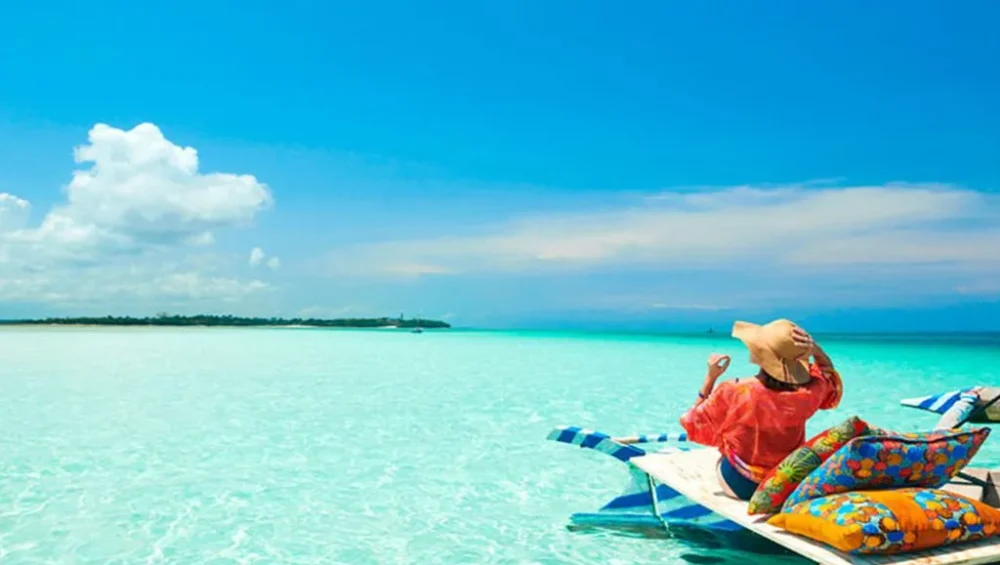
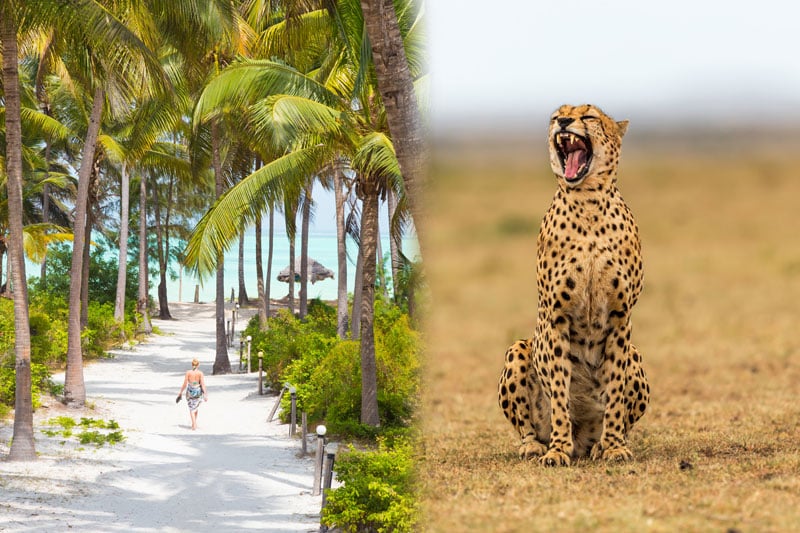
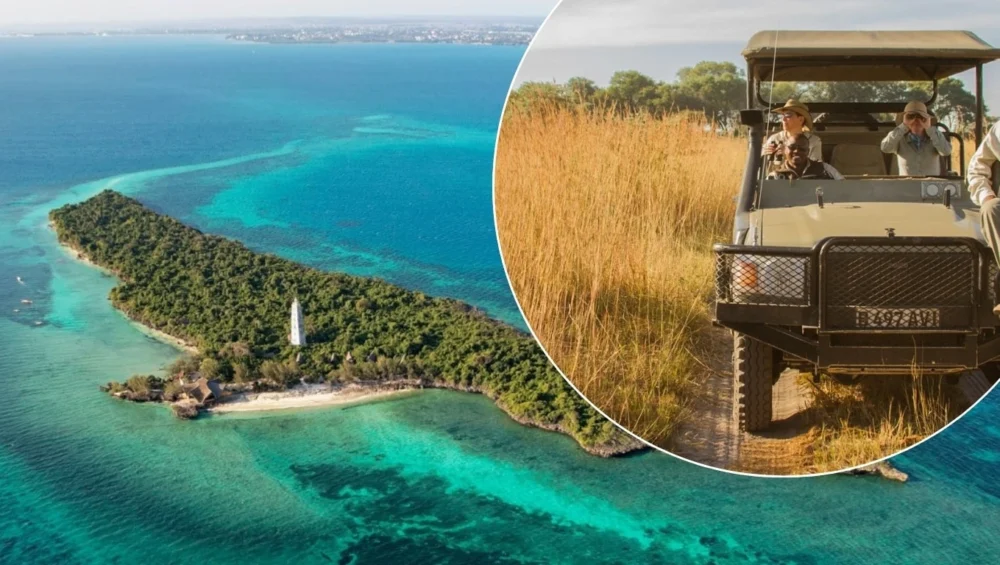
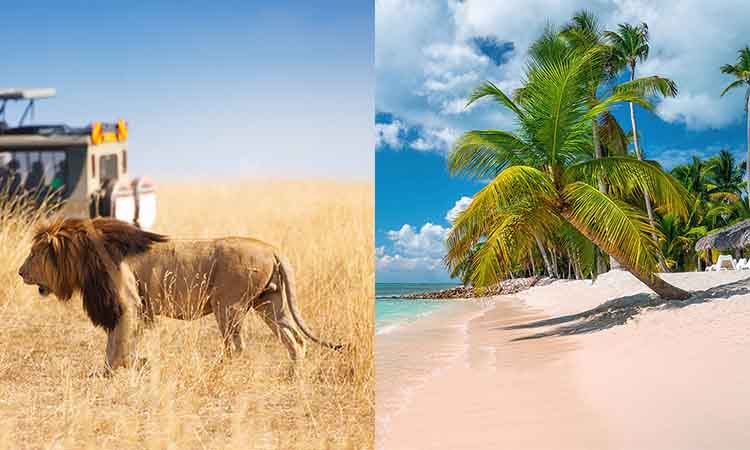
After tracking lions through Ruaha or cruising along the Rufiji River in Nyerere National Park, many travelers dream of ending their adventure with the turquoise calm of Zanzibar’s beaches. The island, just a short flight from mainland Tanzania, offers a relaxing balance to the excitement of a safari. But to make the most of it, knowing when is the best time to visit Zanzibar after a safari can transform your experience from “nice” to unforgettable. This guide explains Zanzibar’s seasons, weather patterns, special events, and travel tips so you can choose the best time for your beach retreat — whether you’re planning a romantic honeymoon, a family getaway, or a serene post-safari unwind.

Understanding Zanzibar’s Seasons

Zanzibar sits just south of the equator, giving it a tropical climate with warm temperatures year-round. However, rainfall and humidity vary, and that affects sea conditions and activity options.
Season Months Conditions Travel Highlights
Dry Season June – October Sunny, dry, low humidity Best weather, calm seas, peak snorkeling visibility
Short Rains November – December Afternoon showers, short bursts Great deals, lush scenery, fewer tourists
Hot Season January – March Hot, sunny, humid Ideal for diving, island-hopping, photography
Long Rains April – May Heavier rain, fewer visitors Quiet beaches, budget-friendly, some lodges close
💡 Pro Tip: If you’re combining safari + beach, align both under June–October — the dry season offers perfect wildlife viewing on the mainland and calm, crystal-clear waters in Zanzibar.

Matching Your Safari to Your Zanzibar Stay

  • After a Southern Tanzania Safari (June–October): Cool, dry, and perfect for both game drives and beach relaxation. Enjoy breezes and endless sunshine on Zanzibar’s east coast (Paje, Bwejuu, Matemwe).
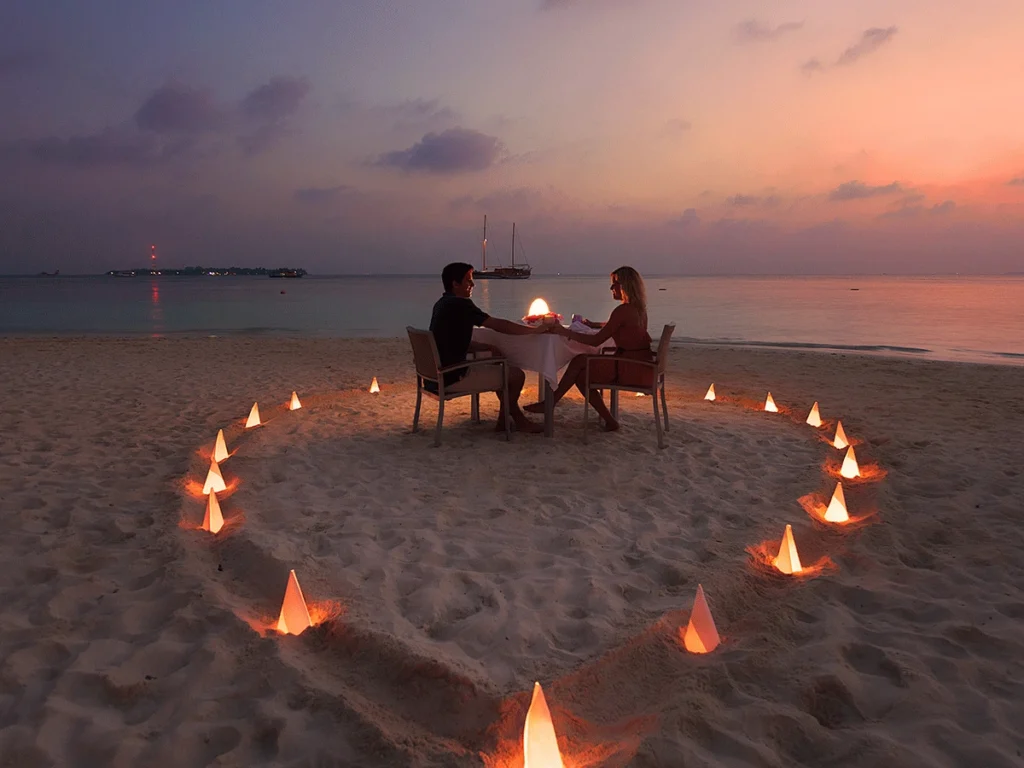
  • For Honeymooners: August and September combine idyllic sunsets, gentle seas, and fewer crowds — ideal for private villas and romantic dhow cruises.
  • For Divers and Water Lovers: January to March brings warm seas (28–30°C) and fantastic visibility in Mnemba Atoll and Mafia Island.
  • For Budget Travelers: Visit during November or early December for lower prices but lush, lively island scenery.

You Might Also Find These Helpful:

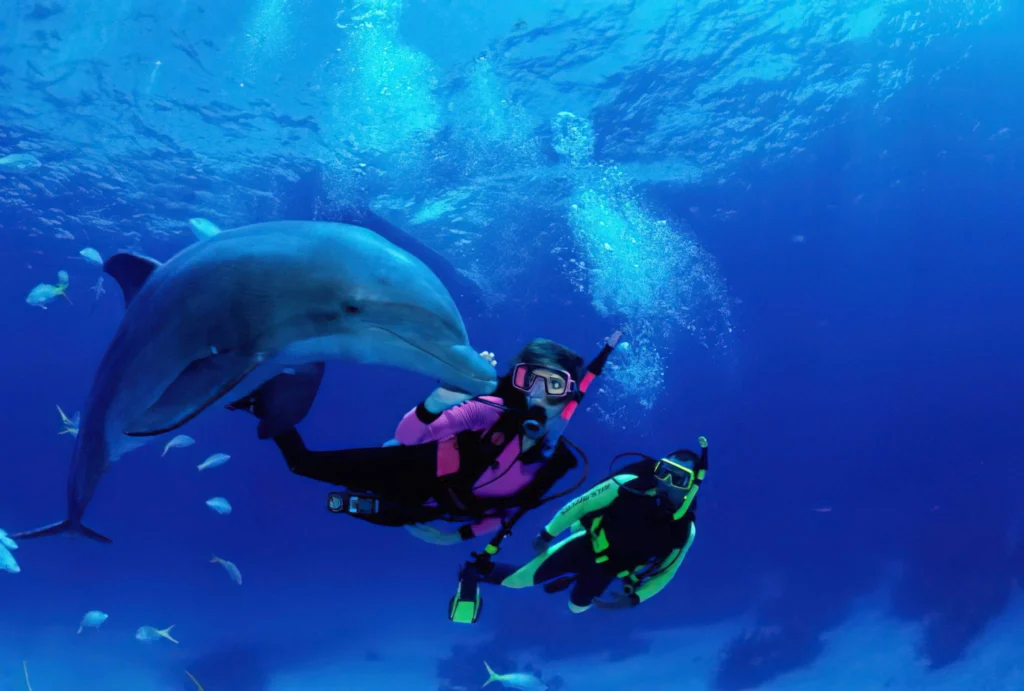
Best time to visit Zanzibar after a safari - swim with dolphins

Local Culture, Events, and Experiences

  • 🎶 Sauti za Busara Festival (Feb): East Africa’s top music and arts celebration in Stone Town.
  • 🎬 Zanzibar International Film Festival (July): A colorful event showcasing African cinema and culture.
  • 🌿 Spice Harvest (June–August): Walk through clove plantations and sample fresh cinnamon, nutmeg, and vanilla.
  • 🐢 Sea Turtle Nesting (Feb–May): Witness these gentle giants laying eggs along Nungwi’s northern beaches.

Travel Tips for Post-Safari Relaxation

  • Pack light, breathable clothes — and don’t forget reef-safe sunscreen and a hat.
  • Respect local culture: Zanzibar is predominantly Muslim, so dress modestly when away from the beach.
  • Stay hydrated; the coastal humidity can be intense.
  • Always book marine activities through licensed operators who prioritize reef conservation.

Frequently Asked Questions (FAQs)

Can I fly directly from Ruaha or Nyerere National Park to Zanzibar? +
Is Zanzibar suitable for families? +
What’s the water temperature throughout the year? +
Best Time to Visit Tanzania – Month-by-Month Safari Guide

Best Time to Visit Tanzania: Month-by-Month Safari & Beach Guide

Tanzania is a year-round destination for safari and beach lovers, but knowing when to visit can make all the difference. From the spectacular wildebeest migrations in the Serengeti to sun-drenched Zanzibar beaches, each month offers a unique experience. This guide breaks down Tanzania’s highlights month by month, helping you plan the perfect itinerary, whether it’s a luxury honeymoon, family adventure, or budget safari.

1. Month-by-Month Overview

January – March

  • Wildlife & Safari: Great time for birdwatching and general wildlife in Serengeti and Tarangire. Predators are active around water sources.
  • Weather: Warm temperatures, occasional short rains in March.
  • Zanzibar: Hot and sunny; ideal for beach extensions.

April – May

  • Wildlife & Safari: Long rainy season. Some roads may be difficult. Excellent for fewer crowds and lush landscapes.
  • Zanzibar: Tropical rains, but often short bursts. Good for quieter resorts.
  • Tip: Avoid early April if you want dry roads for game drives.

June – October

  • Wildlife & Safari: Peak season for the Great Migration in Serengeti. Best visibility and game viewing. Ngorongoro and Tarangire are excellent too.
  • Zanzibar: Dry season; perfect for beach relaxation and snorkeling.
  • Highlights: Witness dramatic river crossings and predator-prey interactions.

November – December

  • Wildlife & Safari: Short rains in November; fewer tourists. Excellent for birding and green landscapes.
  • Zanzibar: Transitional weather; December can be busy during holidays.
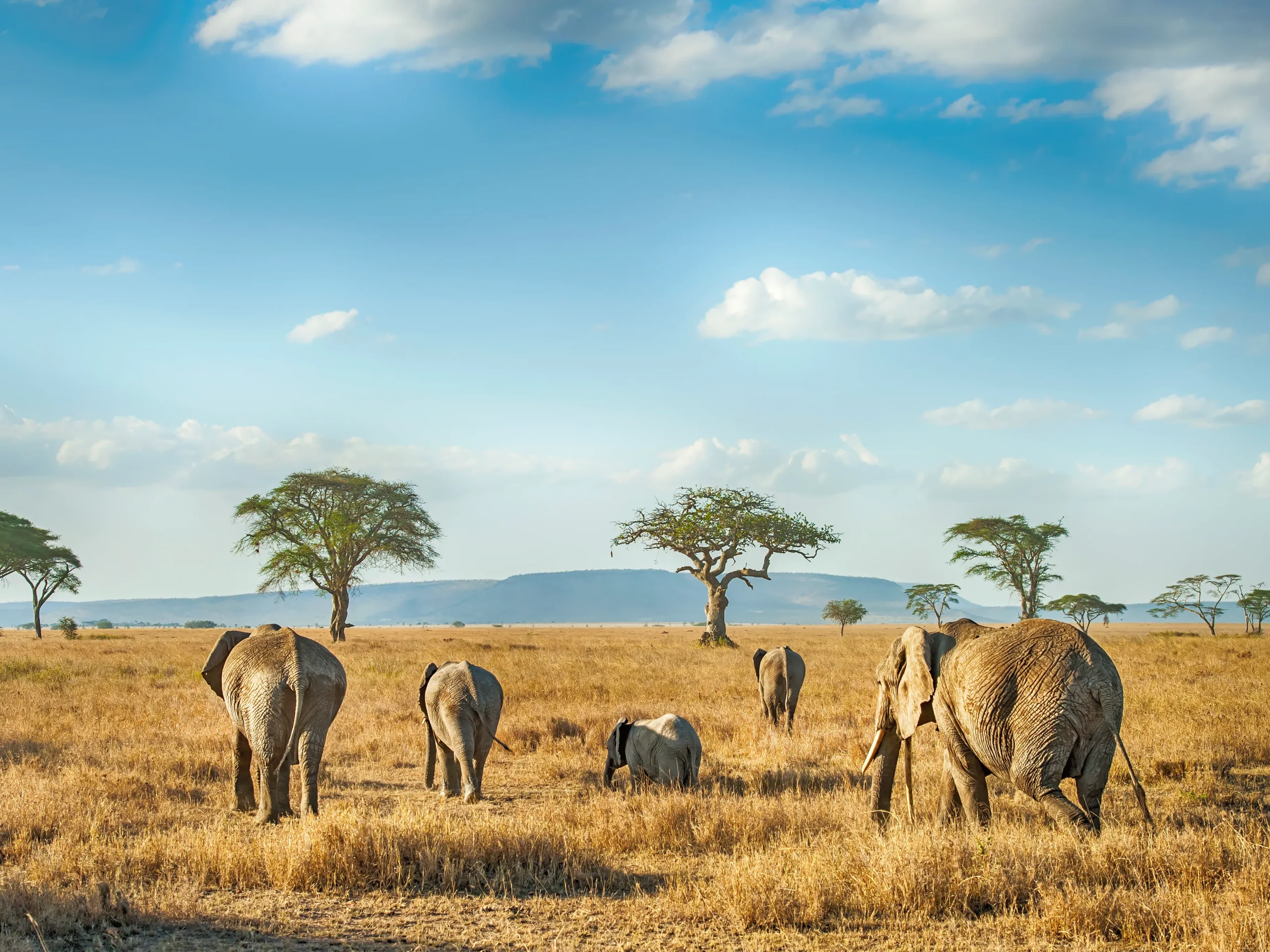
Best time to visit Tanzania with elephants

2. You might also find these useful


3. Safari & Beach Combinations

Combine your Tanzania safari with a few days in Zanzibar for the ultimate adventure:

  • Mid-range couples: 10–12 day Serengeti & Ngorongoro safari with 3–4 days in Zanzibar.
  • Luxury travelers: Private safari vehicles, luxury lodges, and overwater villas.
  • Family safaris: Shorter northern circuits with beach resorts offering kids’ activities.

4. You might also find these useful


5. Tips for Planning Your Trip

  1. Check the migration schedule: Timing your safari with the wildebeest migration enhances your experience.
  2. Book early for peak season: June to October is high season; accommodations fill quickly.
  3. Pack accordingly: Lightweight clothing for day, warm layers for mornings/evenings.
  4. Consider your interests: Birdwatching, photography, or family-friendly activities may influence the month you choose.

6. You might also find these useful


7. FAQs

When is the best time to see the Great Migration?+
Is it safe to travel during the rainy season?+
Can I combine northern and southern circuits in one trip?+
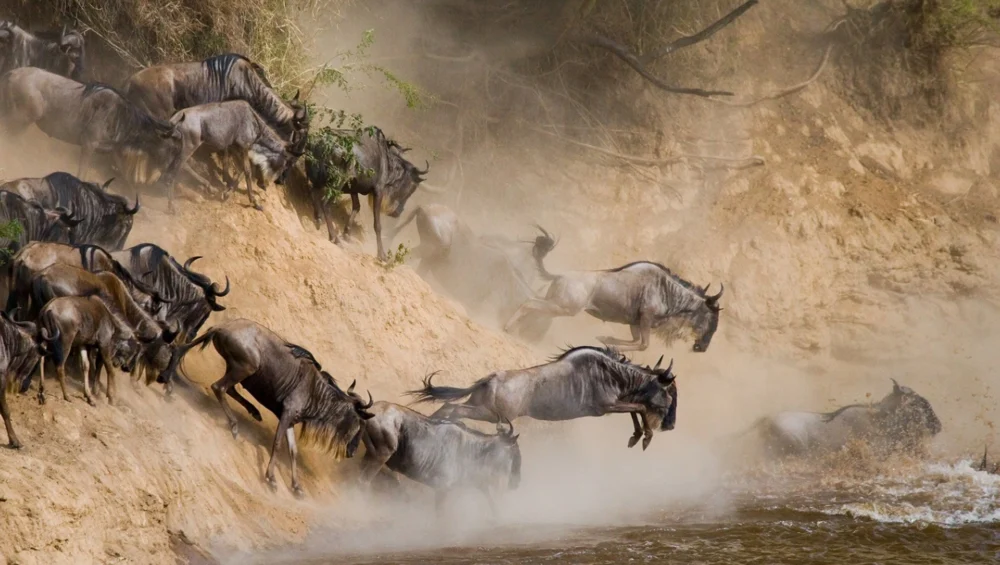
Wildebeest migration river crossing Best time to visit Zanzibar after a safari

Guide to the Great Migration (2026 Updated Edition)

Great Migration Tanzania 2026: When & Where to See Wildebeest

The Great Migration Tanzania 2026 is one of nature’s most spectacular events. From December 2025 to March 2026 in the southern Serengeti to June–July in the western corridor and river crossings in July–September, this guide helps you time your safari, choose routes, and understand best viewing strategies.

Every year, over a million wildebeest, zebras, and gazelles migrate in a giant loop across Tanzania’s Serengeti-Mara ecosystem. For many travelers, witnessing this journey—especially river crossings at the Grumeti and Mara rivers—is the highlight of a lifetime. This guide explains where to go, when to go, and how to plan your itinerary to maximize your chances of seeing migration action.

When & Where Great Migration Tanzania 2026 Happens

Southern Serengeti & Ndutu (December 2025– March 2026)

After calving season, herds move south into Ndutu and the southern plains. This period is ideal for predator action among newborn calves.

Western Corridor & Grumeti (May 2026 – July 2026)

As grasslands dry in the south, herds shift west through the Grumeti region, often gathering before crossing rivers.

Northern Serengeti & Mara River Crossings (July 2026 – September 2026)

This is the dramatic stage: wildebeest confront crocodile-infested rivers like the Mara. Peak crossings often occur late July to early September.

Return to Serengeti South (October 2026 – December 2026)

Herds begin their return south through the central Serengeti in preparation for calving.

Camp on the great migration Tanzania 2026

Sample Itineraries to Maximize Sightings

Days Route Highlights
7-Day Migration Special Ndutu → Grumeti → Northern Serengeti Calving, river crossings, abundant predators
10-Day Wild & Water Southern Serengeti → Western Corridor → Maasai Mara Panoramic crossings, cross-border extension
14-Day Deep Migration Loop All zones + photographic workshops Extended coverage, more buffer on timing
Tip: Build in flexibility of ±1–2 days to allow for delays or unexpected movement.

River Crossing Tips & Best Practices

  • Patience is key — don’t expect constant action.
  • Use high ground vantage points (rocks, river edges).
  • Look for animal movement upstream as crossings often start gradually.
  • Watch for scout groups that test crossings first.
  • Bring a telephoto lens, fast shutter speed, and rain protection.
  • Always follow your guide’s safety instructions—rivers are dangerous.

Practical Considerations & Logistics For the Great Migration Tanzania 2025

  • Fly between regions (Seronera → Grumeti → Kogatende) to save time.
  • Travel in all-terrain vehicles with flip-up roofs for clear views.
  • Stay in mobile camps or tented camps that reposition with herd.
  • Pack binoculars, a camera rain cover, backup batteries, and mosquito repellent.
  • Book 6–12 months ahead for peak season in July–August.

Related Internal Links

Frequently Asked Questions (FAQs)

Q1: Do river crossings happen every day? +

No. Crossings depend on herd movement, rain levels, and scouting behavior. Expect waiting time and standby days.

Q2: Can I see migration in non-peak months? +

Yes — you may see herd movement or predator action even outside peak, though less likely dramatic river crossings.

Q3: Which side of the Mara should I stay on? +

Kenya’s Mara side offers closer views of crossings; Tanzania’s Kogatende side often has fewer visitors and quieter access.

honeymoon safari outdoor setup2 Best time to visit Zanzibar after a safari

Honeymoon Safaris in Southern Tanzania and Zanzibar

A Perfect Southern Tanzania Safari and Zanzibar Honeymoon

For couples seeking romance beyond the ordinary, a honeymoon safari in Southern Tanzania followed by a Zanzibar beach retreat is pure perfection. Think sunrise safaris, candlelit dinners under the stars, and barefoot walks on powdery sand — moments crafted for two.

1. Why Southern Tanzania?

Southern Tanzania is intimate and uncrowded — ideal for honeymoons. Parks like Ruaha National Park and Nyerere National Park offer privacy, dramatic scenery, and luxury lodges far from crowds.

Romantic highlights:

  • Private boat safaris on the Rufiji River
  • Sundowner setups overlooking endless plains
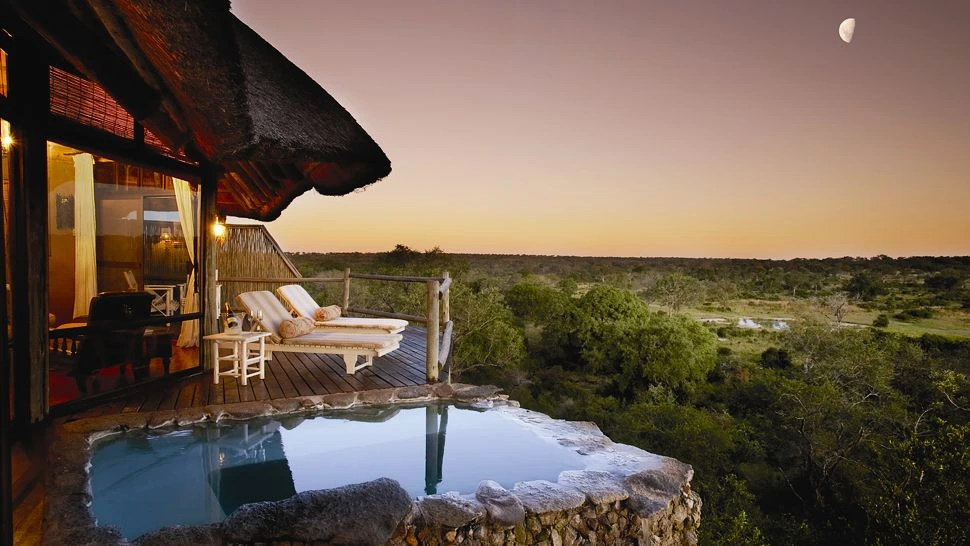
  • Lodges with plunge pools and open-air baths

2. The Zanzibar Connection

After the safari, Zanzibar provides the perfect unwind. Choose between lively Nungwi or serene Michamvi.

Romantic experiences include:

  • Private dhow cruises
  • Spice tours and island picnics
  • Couple spa treatments at The Residence Zanzibar or Zuri Zanzibar
Southern Tanzania Safari and Zanzibar Honeymoon

3. Ideal Time to Visit

The dry season (June–October) is perfect for both safari and beach, while December–February offers warm weather and calm seas.

4. Planning Tips

  • Combine 5–6 nights on safari with 4–5 nights in Zanzibar.
  • Choose eco-luxury lodges for privacy and comfort.
  • Let Twombili handle your flight transfers and logistics for a seamless trip.
  • Mention your honeymoon during booking — many lodges add complimentary surprises.

FAQs

Is a Southern Tanzania honeymoon too remote?+
What’s the budget range?+
Can we add a cultural or diving experience?+
How to Plan Zanzibar Beach and Safari Best time to visit Zanzibar after a safari

Why Combine Safari and Zanzibar

Reasons to combine Safari and Zanzibar for your special Holiday

Combining a Tanzania safari and Zanzibar beach getaway isn’t just a trend — it’s the ultimate East African experience. It merges thrilling wildlife encounters with the serene rhythm of island life, offering travelers a taste of both Tanzania’s wild soul and its coastal charm.

1. Contrast and Complement

A safari engages all your senses — the sound of lions, the scent of acacia after rain, the thrill of a leopard sighting. Zanzibar, in contrast, invites rest and reflection, with turquoise seas and spice-scented air. Together, they create Tanzania’s signature dual adventure.

2. Effortless Connections

Zanzibar is only a short flight from major safari parks:
  • From Ruaha or Nyerere: About 1–1.5 hours
  • From Serengeti: About 2.5 hours via Arusha
Many of our Southern Tanzania safaris include direct flights to Zanzibar — no long transfers needed.
Tanzania Safari and Zanzibar Beach getaway

3. Diversity of Experiences

  • Track elephants in Ruaha National Park.
  • Drift down the Rufiji River in Nyerere National Park.
  • Explore Stone Town’s culture with our Zanzibar excursions.
  • Sail on a traditional dhow at sunset.

You might also find these helpful:

4. Ideal Timing Fo A Safari And Zanzibar Beach Getaway

The best months are June to October (dry safari season) and December to February (ideal beach weather). Zanzibar is a year-round destination, making it easy to fit after any safari.

5. Frequently Asked Questions

Why not just choose safari or Zanzibar alone? +
Can I combine other islands too? +
Is it family-friendly? +
When is the best time for a safari–Zanzibar combination? +
elephants on a 7-day Ruaha and Selous safari

How to Combine a Safari and Beach Holiday in Tanzania

Your Perfect Safari And Beach Holiday in Tanzania

Tanzania offers one of Africa’s most seamless ways to experience both thrilling wildlife and idyllic beaches. Combining a Southern Tanzania safari with a Zanzibar beach holiday lets travelers enjoy the best of both worlds — the raw wilderness of Ruaha or Nyerere and the calm turquoise waters of the Indian Ocean.

Whether you start with adventure in the bush or relaxation by the sea, careful planning ensures your journey flows beautifully from wild to tranquil.

1. Start with Adventure, End with Relaxation

Most travelers choose to begin with a safari and finish with time on the beach. After exciting game drives and early mornings, Zanzibar’s calm seas and white sands offer the perfect contrast.

  • Typical route: Dar es Salaam → Nyerere National Park → Ruaha → Zanzibar
  • Ideal duration: 10–14 days for a perfect balance

👉 Explore our 10-Day Southern Tanzania and Zanzibar Safari for inspiration.

2. Flight Connections Make It Easy

Tanzania’s domestic flight network makes travel between parks and the coast simple:

  • From Southern Parks: Daily flights link Ruaha or Nyerere directly to Zanzibar or Dar es Salaam.
  • From Northern Parks: Connections from the Serengeti via Arusha and Dar es Salaam.

We recommend flying with Coastal Aviation or Auric Air for smooth, scenic transfers.

Safari and Beach Holiday Tanzania

3. Choosing Your Beach Destination

4. Ideal Travel Seasons

The dry seasons (June–October and December–February) are best for both safari and beach holidays.
Visit our Tanzania weather guide to learn when each region shines.

5. Tips for a Perfect Safari-Beach Combo

  • Choose connected parks and coastal destinations to minimize transfers.
  • Pack light, neutral clothing that suits both environments.
  • Stay in lodges offering private charters or seamless transfers.
  • Add a Stone Town tour to enrich your cultural experience.

Frequently Asked Questions

How many days should I plan for a combined safari and beach trip?+
Can I visit Zanzibar first, then go on safari?+
Are there direct flights from Ruaha or Nyerere to Zanzibar?+
What’s the best time of year for this combination?+
Which islands are quieter alternatives to Zanzibar?+
Zanzibars Beautiful Coast Best time to visit Zanzibar after a safari

Best Time to Visit Zanzibar After a Safari

End Your Safari with Sand, Sun, and Spices-Best time to visit Zanzibar after a safari

After tracking lions through Ruaha or cruising along the Rufiji River in Nyerere National Park, many travelers dream of ending their adventure with the turquoise calm of Zanzibar’s beaches. The island, just a short flight from mainland Tanzania, offers a relaxing balance to the excitement of a safari. But to make the most of it, knowing when is the best time to visit Zanzibar after a safari can transform your experience from “nice” to unforgettable.

This guide explains Zanzibar’s seasons, weather patterns, special events, and travel tips so you can choose the best time for your beach retreat — whether you’re planning a romantic honeymoon, a family getaway, or a serene post-safari unwind.

Understanding Zanzibar’s Seasons

Zanzibar sits just south of the equator, giving it a tropical climate with warm temperatures year-round. However, rainfall and humidity vary, and that affects sea conditions and activity options.

SeasonMonthsConditionsTravel Highlights
Dry SeasonJune – OctoberSunny, dry, low humidityBest weather, calm seas, peak snorkeling visibility
Short RainsNovember – DecemberAfternoon showers, short burstsGreat deals, lush scenery, fewer tourists
Hot SeasonJanuary – MarchHot, sunny, humidIdeal for diving, island-hopping, photography
Long RainsApril – MayHeavier rain, fewer visitorsQuiet beaches, budget-friendly, some lodges close

💡 Pro Tip: If you’re combining safari + beach, align both under June–October — the dry season offers perfect wildlife viewing on the mainland and calm, crystal-clear waters in Zanzibar.

Matching Your Safari to Your Zanzibar Stay

  • After a Southern Tanzania Safari (June–October): This is the sweet spot — cool, dry, and perfect for both game drives and beach relaxation. You’ll enjoy soft breezes and endless sunshine on Zanzibar’s east coast (Paje, Bwejuu, Matemwe).
  • For Honeymooners: August and September combine idyllic sunsets, gentle seas, and fewer crowds — ideal for private villas and romantic dhow cruises.
  • For Divers and Water Lovers: January to March brings warm seas (28–30°C) and fantastic visibility in Mnemba Atoll and Mafia Island.
  • For Budget Travelers: Visit during November or early December, when prices drop but the island remains lively and green.

You might also find these helpful:

Best time to visit Zanzibar after a safari - swim with dolphins

Local Culture, Events, and Experiences

Beyond beaches, Zanzibar pulses with Swahili culture and spice-scented history. Time your visit to include:

  • 🎶 Sauti za Busara Festival (Feb): East Africa’s top music and arts celebration in Stone Town.
  • 🎬 Zanzibar International Film Festival (July): A colorful event showcasing African cinema and culture.
  • 🌿 Spice Harvest (June–August): Walk through clove plantations and sample fresh cinnamon, nutmeg, and vanilla.
  • 🐢 Sea Turtle Nesting (Feb–May): Witness these gentle giants laying eggs along Nungwi’s northern beaches.

Travel Tips for Post-Safari Relaxation

  • Pack light, breathable clothes — and don’t forget reef-safe sunscreen and a hat.
  • Respect local culture: Zanzibar is predominantly Muslim, so dress modestly when away from the beach.
  • Stay hydrated; the coastal humidity can be intense.
  • Always book marine activities through licensed operators who prioritize reef conservation.

Frequently Asked Questions (FAQs) About the Best Time to Visit Zanzibar After a Safari

Q1: Can I fly directly from Ruaha or Nyerere National Park to Zanzibar?
Yes — charter flights connect via Dar es Salaam in just a few hours, making transitions easy.

Q2: Is Zanzibar suitable for families?
Absolutely. Many resorts offer family villas, kids’ clubs, and gentle beaches perfect for children.

Q3: What’s the water temperature throughout the year?
It ranges from 25°C in July to 30°C in March, ideal for swimming, snorkeling, or diving year-round.

You might also find these helpful:

Luxury safari Accommodation 1 Best time to visit Zanzibar after a safari

Mid-Range vs Luxury Safaris in Tanzania: Choosing the Right Experience for You (2025 Guide)

Mid-Range vs Luxury Safaris in Tanzania: Which Is Right for You?

Planning a safari in Tanzania brings an exciting question for many travelers: should you go mid-range or luxury? Both offer unforgettable experiences across Tanzania’s national parks — but the difference lies in comfort, exclusivity, and how you experience the wild.
This guide explores what each option includes, what to expect for your budget, and how to choose the perfect fit for your safari dreams.

Mid-Range Safaris: Comfort Meets Authentic Adventure

Mid-range safaris are ideal for travelers who want comfort without an extravagant price tag. You can expect clean, cozy lodges or tented camps, excellent food, and experienced guides — all while staying close to nature.

Typical Features:

  • Ensuite bathrooms with hot showers
  • Comfortable beds and mosquito nets
  • Delicious meals (often buffet or plated service)
  • Shared 4×4 safari vehicles with pop-up roofs for game viewing
  • Professional English-speaking driver guides

Destinations:
Mid-range safaris work perfectly across Tanzania — from the Southern Circuit (Ruaha, Nyerere, Mikumi, and Udzungwa Mountains) to the northern parks like Serengeti and Ngorongoro.

Why Choose It:
You’ll enjoy a balance between adventure and comfort, ideal for couples, families, and small groups who want real safari charm without overspending.

Luxury Safaris: The Art of Wild Elegance

Luxury safaris elevate the experience into something magical — combining exclusivity, personalized service, and comfort in spectacular settings.
Expect boutique lodges, private vehicles, and a feeling of seclusion that makes you feel part of the landscape.

Typical Features:

  • Designer lodges or luxury tented suites with panoramic views
  • Private plunge pools or outdoor showers
  • Gourmet dining with fine wines
  • Private guides and vehicles for flexible game drives
  • Air transfers between parks (instead of long drives)
  • Personalized itineraries and seamless service

Destinations:
Luxury travelers often focus on Ruaha National Park, Nyerere National Park, and Serengeti, where lodges blend wild surroundings with 5-star comfort.

Why Choose It:
Luxury safaris offer exclusivity and comfort without losing the essence of the bush — perfect for honeymooners, photographers, or travelers celebrating a special occasion.

“Whether you choose mid-range comfort or luxury indulgence, Tanzania’s magic lies in the moments between — sunrise over the savannah, lion calls at dusk, and the joy of discovering Africa’s wild heart.” — Twombili Tours Safari Team


Luxury Safari Vehicle on a mid-range vs luxury safaris in Tanzania

Comparing the Two: What You Get for Your Budget

Safari TypeAccommodationTransportMealsExperience
Mid-RangeComfortable lodges & tented campsShared 4×4Full-boardAuthentic, value-packed
LuxuryHigh-end lodges & exclusive campsPrivate vehicle or fly-inFine diningPersonalized & indulgent

Estimated Price (Per Person/Day):

  • Mid-range: $350–$600
  • Luxury: $800–$1500+

Both options include park fees, guiding, and accommodation — but luxury safaris offer more privacy, upgraded amenities, and flexibility.

How to Choose the Right One

  1. Consider Your Travel Style:
    Do you prefer cozy comfort or indulgent elegance?
  2. Think About Your Priorities:
    If wildlife and authenticity matter most, mid-range delivers superb value.
    If privacy, comfort, and seamless logistics matter more, luxury is worth it.
  3. Trip Duration & Season:
    Longer safaris can balance mid-range and luxury stays — for example, mid-range in Mikumi and luxury in Ruaha.
  4. Occasion:
    For honeymoons or milestone trips, a luxury lodge adds that extra touch of magic.

🧭 Twombili Tip:

Many travelers choose a hybrid safari — combining mid-range stays with one or two luxury nights. It’s a wonderful way to end your trip on a high note while keeping your budget balanced.

📘 Related Guides

Frequently Asked Questions (FAQs)

1. Can I mix mid-range and luxury lodges in one safari itinerary?+
Absolutely. Many travelers enjoy a mix — for example, mid-range in Mikumi and a luxury finale in Ruaha or Nyerere. It’s a great way to enjoy both worlds.
2. Do luxury safaris include private game drives?+
Yes, most luxury packages include a private guide and vehicle, allowing you to set your own schedule and spend as much time as you wish observing wildlife.
3. Are mid-range safaris still comfortable for families?+
Definitely! Mid-range camps are family-friendly and provide comfort, great food, and excellent guides. Twombili Tours can tailor options that suit your family’s needs and ages.

Allow Twombili Tours to assist you

Unsure which suits you? Talk to our Safari Specialists for a custom plan.

Udzungwa mountains water falls Best time to visit Zanzibar after a safari

Planning a Southern Tanzania Safari: When to Go and What to Expect

Southern Tanzania Safari: When To Go, Where To Go, And What to Expect

Southern Tanzania — Ruaha, Nyerere (formerly Selous), Mikumi and the Udzungwa foothills — is wilderness at scale: fewer vehicles, deeper silence, and wildlife encounters that often feel private. Choosing the right time to travel and preparing correctly makes the difference between a good trip and a deeply memorable one. This guide walks you through seasons, expectations, practical prep, booking windows, and insider tips so you arrive confident and focused on the experience.

Seasons & What They Mean for Your Safari

Dry season (June–October) — This is peak safari time. Water becomes concentrated in rivers and waterholes, so animals gather predictably. Visibility is excellent, early mornings are cool, and predator activity is high. This window is ideal for first-time visitors and photographers seeking classic safari imagery.

Green / wet season (November–May) — The rains renew the landscape: vibrant greens, newborn antelopes, and superb birding. While some remote camps may close briefly in heavy rains (typically April–May), November–March is delightful for travelers who prefer fewer crowds, lower rates and lush scenery. Drives can be muddier, but the wildlife behavior and colors reward the effort.

What to Expect in the Parks

Expect true wilderness: longer transfer times, varied terrain, and fewer tour vehicles than the northern circuit. Ruaha specialises in large elephant herds and packs of wild dog; Nyerere adds boat safaris and water-based wildlife viewing; Mikumi is accessible and family-friendly. Game drives are often flexible and can be tailored to your priorities — early starts for predators, midday rest at camp, or late-afternoon sundowners when animals are most active.

Because distances are larger, itineraries usually allow longer stays in each park. That slow pace increases your odds of rare sightings and gives time to soak up the landscape — a hallmark of the Southern Circuit.

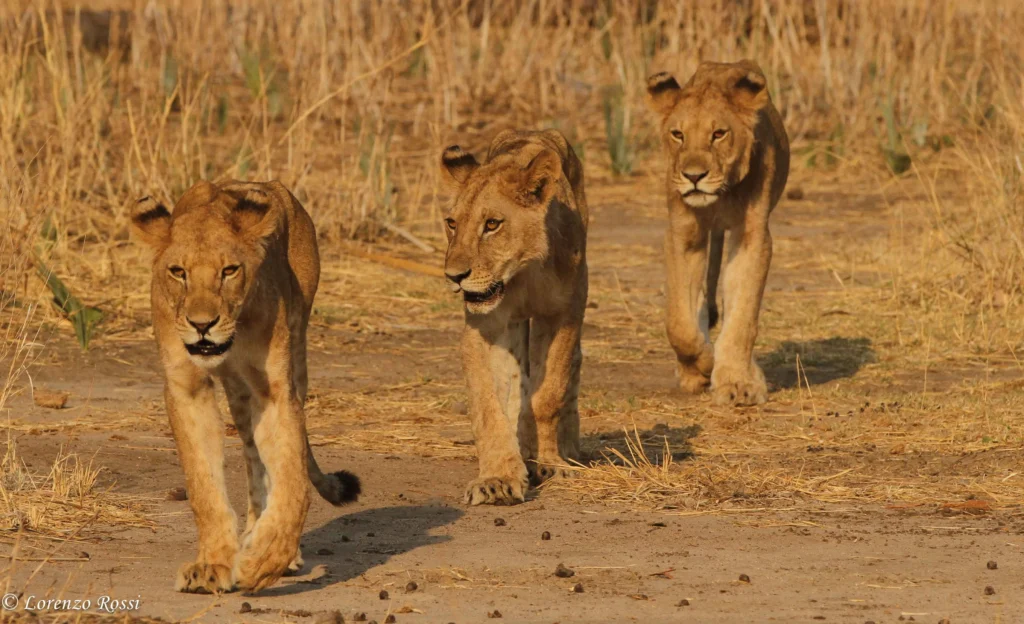
Ruaha Lions in Southern Tanzania Safari

Packing & Practical Preparation

  • Neutral, breathable clothing (long sleeves for sun & insects), hat, sunglasses.
  • Warm layer for dawn drives (dry season) and a lightweight rain jacket (green season).
  • Binoculars (8×42 recommended), camera + spare batteries, and plenty of SD cards.
  • Essentials: personal meds, malaria prophylaxis advice from your doctor, sunscreen, insect repellent, and a small first-aid kit. Domestic flights often restrict luggage to soft bags (commonly 15 kg), so verify limits before you pack.

Twombili Tip: carry important documents and valuables in a carry-on bag during transfers; remote lodges have limited safe-storage options.

Insider Insight

At Twombili Tours, our safari experts often describe the Southern Circuit as “Africa in slow motion” — a place to pause, breathe, and rediscover the rhythm of the wild. Here, it’s not just about ticking off the Big Five, but about immersing yourself in vast, soulful landscapes where nature dictates the pace.

When to Book

For peak season (July–October) and popular camps, book 6–9 months ahead. For green-season travel, a 2–4 month booking window can work, but flexible dates and open dialogue with your Twombili planner will help you secure the best lodges and flight connections.

Why Book with Twombili Tours

We specialise in Southern Tanzania with 15+ years on the ground. Our itineraries balance wildlife, comfort and responsible travel: handpicked camps, experienced guides, and logistics handled so you can focus on the moment. We tailor length, pace and special experiences — walking safaris, boat trips or private sundowners — to match what you value most.

Frequently Asked Questions

When is the absolute best time to see elephants in Ruaha?+
Are roads and transfers difficult in the green season?+
Can families with young children travel to the Southern Circuit?+
Do I need special vaccinations?+
How many days should I allocate to Southern Tanzania?+
Family safaris in southern Tanzania

Family Safaris in Southern Tanzania: Wild Adventures for All Ages (2025 Update)

Family Safaris in Southern Tanzania: Where Adventure Meets Togetherness

Why Choose Southern Tanzania for a Family Safari

Southern Tanzania offers families something rare — vast, unspoiled wilderness without the heavy crowds of the northern parks. On family safaris in Southern Tanzania, parents and children can experience genuine adventure across wild landscapes where elephants roam freely and predators are often spotted in complete silence.
Ruaha National Park, Nyerere National Park (formerly Selous), and Mikumi are all excellent choices for families who want an authentic safari that balances comfort, safety, and adventure.

Unlike other regions, the south allows flexible pacing — During family safaris in southern Tanzania, families can enjoy a relaxed rhythm, spending longer in each camp to soak in the atmosphere and watch nature unfold day by day.

Top Family-Friendly Parks and Experiences

Nyerere National Park:
Perfect for families who love variety. The Rufiji River’s boat safaris allow you to drift past hippos and crocodiles — a thrilling yet safe way to observe wildlife without long drives. Lodges like Rufiji River Camp and Serena Mivumo offer family suites, shallow pools, and experienced child-friendly guides.

Ruaha National Park:
Ruaha’s intimate lodges and open landscapes are ideal for slightly older children (8+). Game drives often reveal lions, giraffes, and elephants in abundance. Lodges such as Tandala and Ikuka provide family villas and educational bush experiences where kids can learn about tracking or bird calls.

Mikumi National Park:
Easily accessible by road from Dar es Salaam, Mikumi is an excellent introduction to safari life. The park’s open plains make wildlife viewing easy, and accommodations like Mikumi Wildlife Camp welcome children of all ages.

You might also find this helpful:
5-Day Mikumi and Selous Family Adventure

Quote from Twombili Family Safari Expert:

“Family safaris in southern Tanzania are about creating shared memories — when a child spots their first elephant, the wonder is contagious. Southern Tanzania’s wild but gentle rhythm makes that magic happen naturally.”
Family Safari Accommodation in Southern Tanzania - Twombili Tours

Best Times to Visit

For the best experience, plan your family safari between June and October, during Tanzania’s dry season. Roads are passable, and animals gather around rivers and waterholes.
However, the green season (November–March) can be equally rewarding — birdwatching peaks, prices are lower, and lodges are quieter.

Planning Tips for Families

  • Choose the right lodge: Look for those offering family suites, pools, and short game drives.
  • Involve your kids: Let them use cameras or keep a safari diary — it helps them connect with nature.
  • Health and safety: Most southern parks are in low-risk malaria zones, but insect repellent and proper attire are essential.
  • Pack smart: Light cotton clothing, hats, binoculars, and refillable water bottles are must-haves.
  • Combine safari with Zanzibar: After the adventure, relax on Zanzibar’s family-friendly beaches — Twombili can help plan this balance perfectly.

Frequently Asked Questions (FAQs)

Is Southern Tanzania suitable for young children? +
Yes, with the right lodges and guides, families with children as young as six can safely enjoy Nyerere and Mikumi. Ruaha suits families with older kids due to longer drives.
What activities are best for kids? +
Short game drives, river cruises, cultural village visits, and lodge-based nature walks are ideal for younger explorers.
How can parents ensure everyone stays comfortable? +
Choose family lodges with swimming pools, break up drives with snack stops, and travel with guides experienced in family safaris — a Twombili specialty.
Plan My Family Safari in Southern Tanzania Now