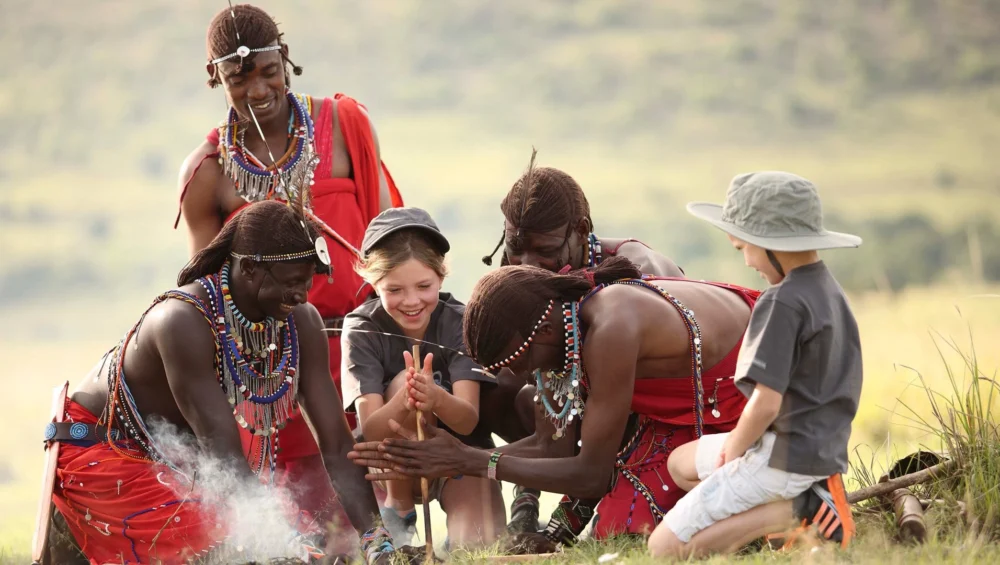
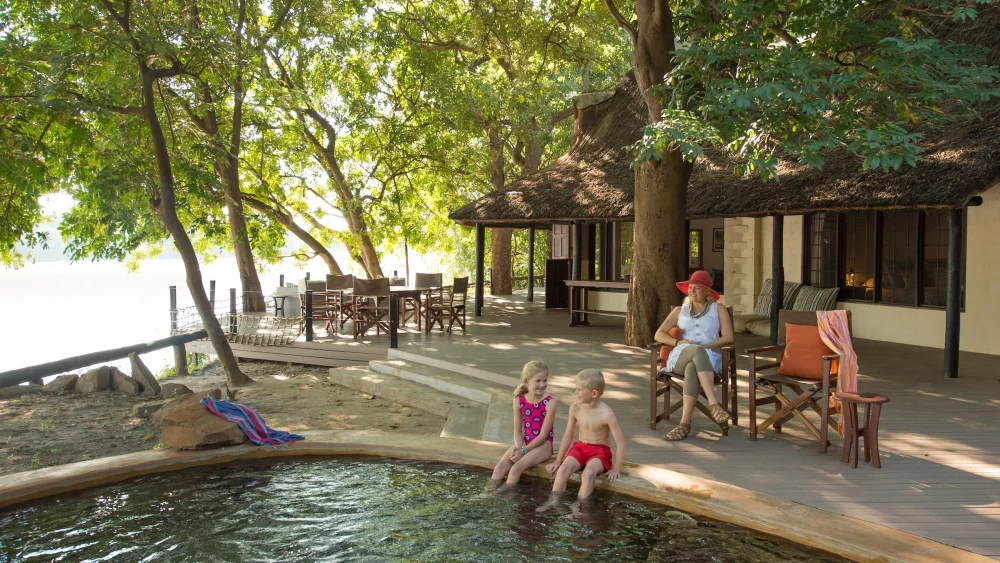
Family safaris in southern Tanzania

Family Safaris in Southern Tanzania: Wild Adventures for All Ages (2025 Update)

Family Safaris in Southern Tanzania: Where Adventure Meets Togetherness

Why Choose Southern Tanzania for a Family Safari

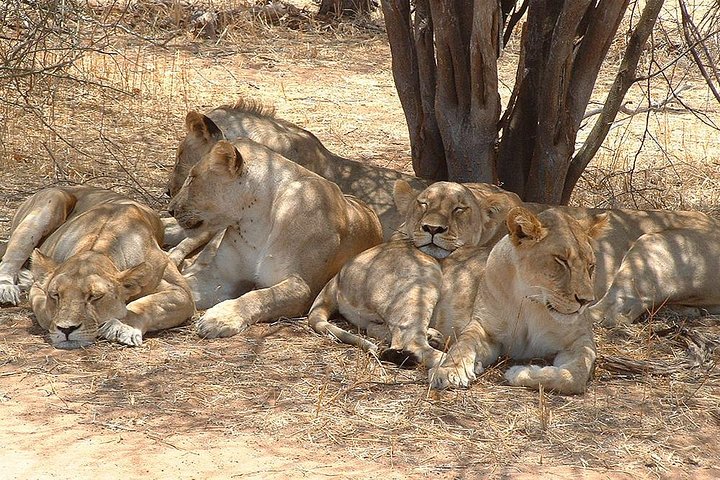
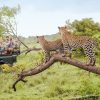
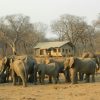
Southern Tanzania offers families something rare — vast, unspoiled wilderness without the heavy crowds of the northern parks. On family safaris in Southern Tanzania, parents and children can experience genuine adventure across wild landscapes where elephants roam freely and predators are often spotted in complete silence.
Ruaha National Park, Nyerere National Park (formerly Selous), and Mikumi are all excellent choices for families who want an authentic safari that balances comfort, safety, and adventure.

Unlike other regions, the south allows flexible pacing — During family safaris in southern Tanzania, families can enjoy a relaxed rhythm, spending longer in each camp to soak in the atmosphere and watch nature unfold day by day.

Top Family-Friendly Parks and Experiences

Nyerere National Park:
Perfect for families who love variety. The Rufiji River’s boat safaris allow you to drift past hippos and crocodiles — a thrilling yet safe way to observe wildlife without long drives. Lodges like Rufiji River Camp and Serena Mivumo offer family suites, shallow pools, and experienced child-friendly guides.

Ruaha National Park:
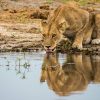
Ruaha’s intimate lodges and open landscapes are ideal for slightly older children (8+). Game drives often reveal lions, giraffes, and elephants in abundance. Lodges such as Tandala and Ikuka provide family villas and educational bush experiences where kids can learn about tracking or bird calls.

Mikumi National Park:
Easily accessible by road from Dar es Salaam, Mikumi is an excellent introduction to safari life. The park’s open plains make wildlife viewing easy, and accommodations like Mikumi Wildlife Camp welcome children of all ages.

You might also find this helpful:
5-Day Mikumi and Selous Family Adventure

Quote from Twombili Family Safari Expert:

“Family safaris in southern Tanzania are about creating shared memories — when a child spots their first elephant, the wonder is contagious. Southern Tanzania’s wild but gentle rhythm makes that magic happen naturally.”
Family Safari Accommodation in Southern Tanzania - Twombili Tours

Best Times to Visit

For the best experience, plan your family safari between June and October, during Tanzania’s dry season. Roads are passable, and animals gather around rivers and waterholes.
However, the green season (November–March) can be equally rewarding — birdwatching peaks, prices are lower, and lodges are quieter.

Planning Tips for Families

  • Choose the right lodge: Look for those offering family suites, pools, and short game drives.
  • Involve your kids: Let them use cameras or keep a safari diary — it helps them connect with nature.
  • Health and safety: Most southern parks are in low-risk malaria zones, but insect repellent and proper attire are essential.
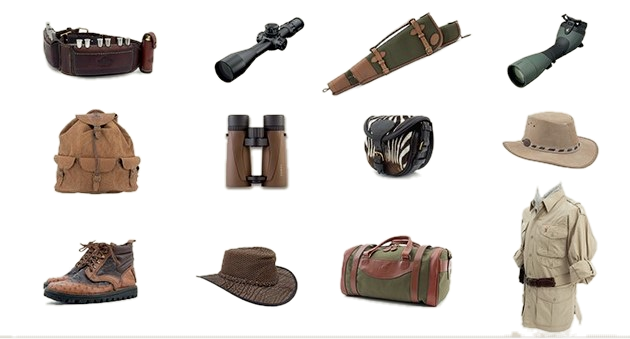
  • Pack smart: Light cotton clothing, hats, binoculars, and refillable water bottles are must-haves.
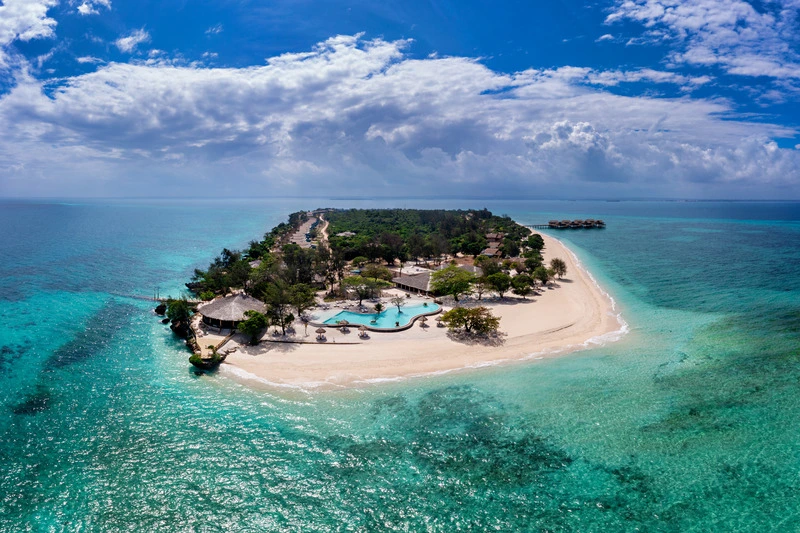
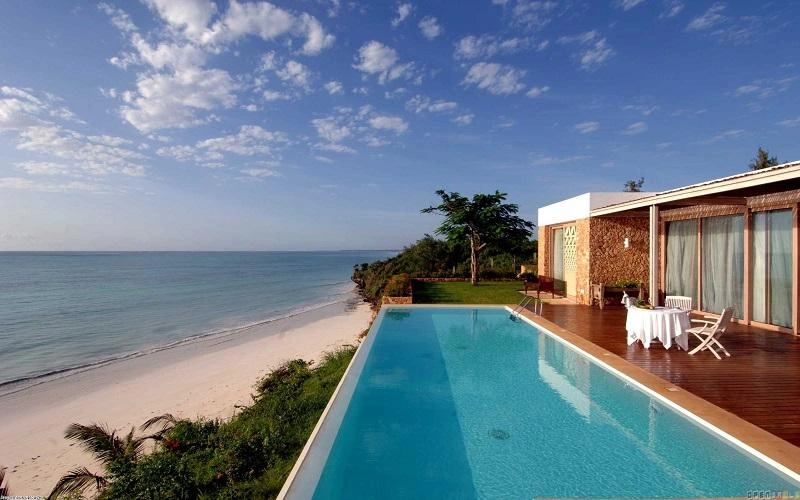
  • Combine safari with Zanzibar: After the adventure, relax on Zanzibar’s family-friendly beaches — Twombili can help plan this balance perfectly.

Frequently Asked Questions (FAQs)

Is Southern Tanzania suitable for young children? +
Yes, with the right lodges and guides, families with children as young as six can safely enjoy Nyerere and Mikumi. Ruaha suits families with older kids due to longer drives.
What activities are best for kids? +
Short game drives, river cruises, cultural village visits, and lodge-based nature walks are ideal for younger explorers.
How can parents ensure everyone stays comfortable? +
Choose family lodges with swimming pools, break up drives with snack stops, and travel with guides experienced in family safaris — a Twombili specialty.
Plan My Family Safari in Southern Tanzania Now
tanzania travel tips 2026

Tanzania Travel Tips 2026 – Updated

Tanzania Travel Tips 2026 -Updated

1. Getting to Tanzania in 2026

Tanzania remains one of East Africa’s best-connected safari destinations.
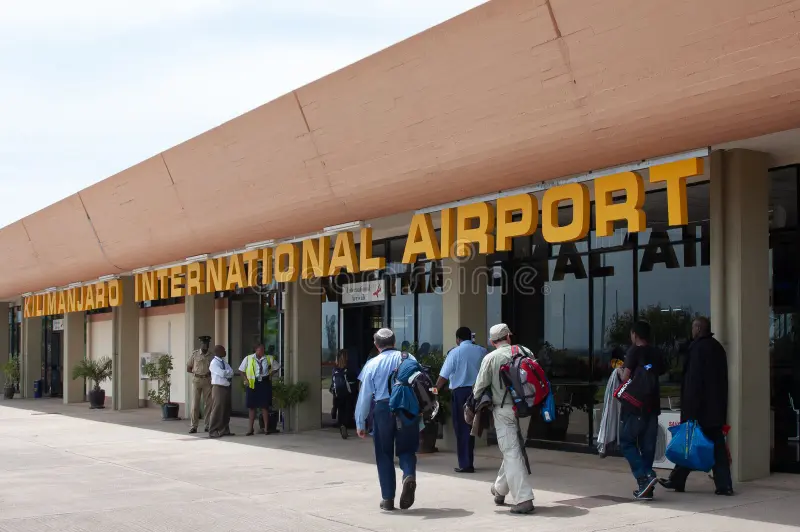
  • International Flights: Major carriers such as Qatar Airways, KLM, Turkish Airlines, and Ethiopian Airlines serve Kilimanjaro International Airport (KIA) for northern safaris and Julius Nyerere International Airport (DAR) for southern itineraries.
  • Domestic Connections: Reliable regional airlines—Coastal Aviation, Auric Air, and Flightlink—connect Dar es Salaam, Zanzibar, Ruaha, and the Selous (Nyerere NP).
Twombili Tip: Book connecting flights on one ticket to simplify baggage transfers and avoid re-check-in queues.

2. Visa & Entry Requirements

Most travellers can obtain a tourist visa on arrival or apply online in advance at Tanzania eVisa
  • Cost: USD 50 (single-entry) or USD 100 (multiple entry).
  • Passport Validity: At least six months beyond arrival.
  • Yellow-Fever Certificate: Required if arriving from infected areas.
Twombili Tours keeps clients updated on current 2025 entry changes, including e-visa processing times.

3. Money Matters & Tipping Etiquette

  • Currency: Tanzanian Shilling (TZS); USD widely accepted for safaris.
  • Cards & ATMs: Available in major towns, but carry cash for remote lodges.
  • Tipping: Customary but not compulsory – USD 10-20/day for guides, USD 5-10/day for camp staff.
Twombili Tip: Use clean, undamaged USD notes printed after 2006 to avoid rejection by banks and hotels.

4. Health & Safety Tips

Tanzania is one of Africa’s friendliest and safest destinations when you travel with a registered operator.
  • Vaccinations: Hepatitis A, Typhoid, Tetanus recommended.
  • Malaria: Preventive medication (advised by your doctor).
  • Water & Food: Drink bottled or filtered water; eat freshly prepared meals.
  • Wildlife Safety: Always follow your guide’s instructions—never exit vehicles without permission.
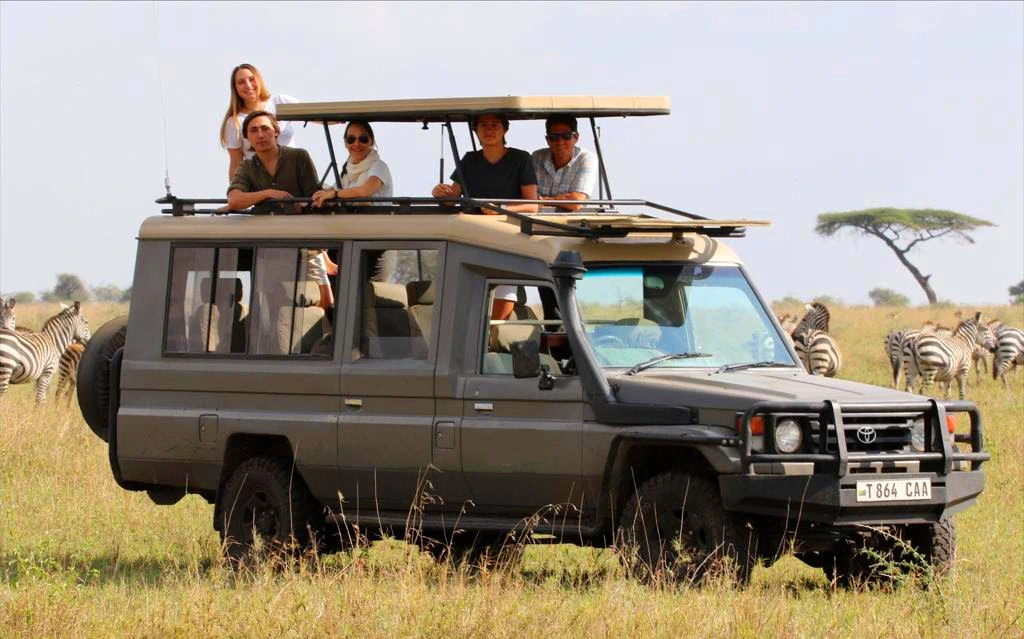
Twombili Tours works only with licensed guides and maintains strict vehicle safety standards across all circuits. You might also find this Helpful: What to Pack for a Tanzania Safari
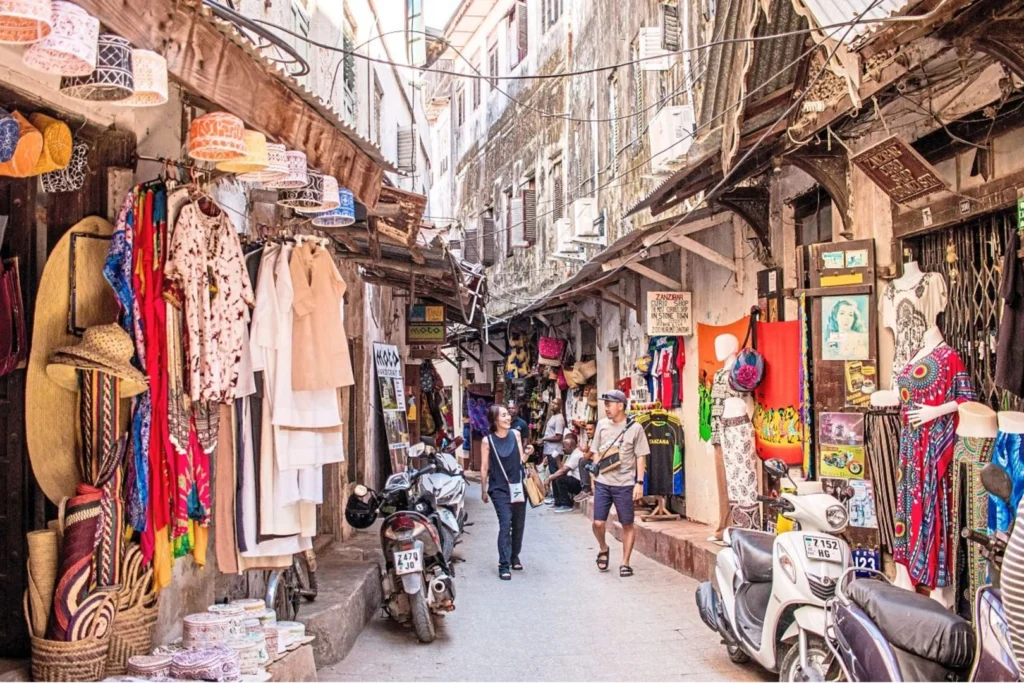
zanzibar alley market Tanzania travel tips 2026

5. Cultural Etiquette & Local Customs

  • Greetings matter: Shake hands and say “Jambo!” or “Habari yako?”
  • Dress modestly in towns and villages; shorts and tank tops are fine in lodges but not markets or religious areas.
  • Photography: Always ask before taking people’s photos; avoid government buildings.
  • Sunday trading: Shops in rural areas often close early on Sundays.
Respectful interactions enhance your experience and support local communities.

6. Connectivity & Communication

  • Mobile Coverage: Good across most areas; Vodacom and Airtel offer reliable service.
  • SIM Cards: Purchase at the airport with passport ID.
  • Wi-Fi: Available in most lodges, though signal can be weak in remote parks.
Twombili Tip: Download offline Google Maps and WhatsApp for smooth communication even with low signal.

7. Responsible Travel & Sustainability

Twombili Tours partners with eco-camps and local guides to ensure low-impact safaris. Guests are encouraged to:
  • Carry a refillable water bottle.
  • Avoid single-use plastics.
  • Respect wildlife viewing distances.
  • Buy handcrafted souvenirs to support community projects.
Small actions add up to preserve Tanzania’s pristine ecosystems.

8.You Might Also Find These Helpful

9.Frequently Asked Questions (FAQs)

1. Is Tanzania safe for first-time visitors? +
Yes. With a reliable operator like Twombili Tours, the country is welcoming, stable, and known for its hospitality.
2. What’s the best time to visit? +
June to October for dry-season game viewing; November to March for lush landscapes and birdwatching.
3. Can I use credit cards during my safari? +
Most lodges accept Visa and Mastercard, but bring cash for remote parks where signal is unreliable.
“True expertise comes from years in the bush — our guides live and breathe Tanzania every day.”

Start Your Tanzania Adventure

Travel with confidence. Contact Twombili Tours for expert planning and personalized support.
What to pack for a Tanzania safari

What to Pack for a Tanzania Safari

Packing Smart for Your Tanzania Safari

1. Why Packing Smart Matters

Packing for a Tanzania safari isn’t just about style — it’s about comfort, practicality, and preparedness in the wild. Conditions vary between the Southern, Northern, and Coastal Circuits, and packing the right items can make your trip more enjoyable. Twombili Tours guides have put together this expert-verified list based on what we use and recommend daily on safari.

2. Clothing Essentials

Your clothing should blend comfort, function, and subtle earth tones (khaki, beige, olive). Avoid bright colors and camouflage patterns — they attract insects or are restricted in some areas.

What to Pack for a Tanzania Safari for the Dry Season (June–October):

  • Lightweight long-sleeved shirts for sun protection
  • Breathable safari trousers (convertible zip-off options work best)
  • Fleece or light jacket for chilly early mornings and evenings
  • Sun hat with a wide brim
  • Sunglasses with UV protection

What to Pack for a Tanzania Safari for the Green Season (November–March):

  • Quick-dry clothing that can handle rain and humidity
  • Light waterproof jacket or poncho
  • Extra socks and fast-drying underwear
  • Waterproof shoes or sandals for lodge wear

For Zanzibar Add-Ons:

  • Swimwear and light resort wear
  • Flip-flops or sandals
  • A casual outfit for dining

Tip: Avoid bright colors that attract insects.

3. Footwear

  • Comfortable closed walking shoes or trail sneakers
  • Lightweight boots for bush walks (optional but useful)
  • Flip-flops or slip-ons for lodge use

Twombili Tip: Break in all footwear before traveling — new boots can cause blisters on day one.

4. Accessories and Safari Gear

  • Binoculars (8×40 or higher recommended)
  • Camera with extra batteries and memory cards
  • Travel adaptor (Tanzania uses UK-style Type G plugs)
  • Power bank for charging devices during long game drives
  • Small backpack or daypack for personal items
  • Refillable water bottle (avoid single-use plastics)

Packing list verified by Twombili Guides

“Every item on this list comes from years of real experience guiding safaris. Pack light — but pack smart, and you’ll enjoy every moment without stress.”
Safari gear essentials for the best time to visit Tanzania

5. Health and Personal Care

  • High-quality insect repellent (with DEET or picaridin)
  • Sunscreen (SPF 30+) and lip balm with SPF
  • After-bite cream or soothing lotion
  • Malaria prevention medication as prescribed by your doctor (consult before travel)
  • Personal medications and basic first-aid kit
  • Hand sanitizer and wet wipes
  • Reusable face mask or scarf (for dusty drives)

6. Travel Documents & Essentials

  • Passport (valid 6+ months)
  • Travel insurance and medical coverage info
  • Yellow Fever vaccination certificate (if applicable)
  • Visa approval (e-visa printout or copy)
  • Safari itinerary and booking confirmations
  • Emergency contacts (Twombili Tours contact included)

7. Optional but Useful Additions

  • Travel laundry soap for handwashing clothes
  • Small flashlight or headlamp
  • Lightweight travel towel
  • Notebook or safari journal for kids
  • Snacks (nuts, granola bars, or dried fruit)
  • Compact rain cover for camera or daypack

8. Seasonal Considerations

Southern Tanzania (Ruaha, Nyerere, Mikumi): Temperatures can vary widely — mornings are cool while afternoons are hot. Layers are essential.

Northern Tanzania (Serengeti, Ngorongoro): Pack warmer layers if you’re visiting high-altitude areas like Ngorongoro Crater rim.

Zanzibar: Hot and humid most of the year — bring breathable cotton and light fabrics.

9. You Might Also Find These Helpful:

Frequently Asked Questions (FAQs) About What to Pack for a Tanzania Safari

1. Can I do laundry while on safari?+
Yes, most lodges in Southern Tanzania offer same-day laundry service, though some won’t wash undergarments — bring biodegradable soap for those.
2. Are there luggage limits on safari flights?+
Yes, for small planes, luggage is usually limited to 15 kg in soft bags (no hard cases). Check with your Twombili consultant before traveling.
3. What should I pack for kids on safari?+
Comfortable clothes, sun hats, binoculars, a camera, and a small backpack for their own “adventure kit.”
Bawe Island Zanzibar Aerial Tanzania travel tips 2026

Tanzania Safari Cost Guide 2026

Understanding Tanzania Safari Costs in 2026

A Tanzania safari is one of the most memorable journeys in Africa — but what does it actually cost in 2026? Whether you’re traveling solo, as a couple, or with family, your safari budget depends on season, accommodation type, and park selection. At Twombili Tours, we specialize in tailor-made safaris across the Southern, Northern, and Coastal Circuits, and our team has analyzed 2026 price trends to help you understand what to expect. You might also find these helpful:
  • [6-Day Southern Tanzania Safari – Budget]
  • [10-Day Luxury Southern Circuit Safari and Zanzibar]

1. Safari Cost by Category

Safari Type Typical Daily Cost (Per Person) What’s Included
Budget Safari $250 – $350 Shared vehicle, standard lodges or camping, park fees, meals
Midrange Safari $400 – $600 Private guide, comfortable lodges, all meals, park fees
Luxury Safari $650 – $1,200+ Exclusive lodges, private vehicle, top-tier service, premium drinks
Luxury Plus Safari $1,200 – $2,000+ Fly-in safaris, private charters, boutique camps, personalized experiences
Note: Prices are for 2026 and can vary depending on your group size, season, and itinerary complexity.

2. Key Factors That Affect Safari Pricing

a. Season (When You Travel)
  • High Season (June–October): Peak wildlife visibility; higher prices due to demand.
  • Green Season (November–March): Beautiful landscapes, fewer crowds, and lower rates — great value for photographers.
  • Shoulder Months (April–May): Some lodges close for rain; prices drop by up to 25%.
b. Destination (Where You Go)
  • Southern Tanzania (Ruaha, Nyerere): Larger distances, fewer crowds — higher logistics cost but more exclusivity.
  • Northern Tanzania (Serengeti, Ngorongoro): More accessible, wide range of lodges, and famous for the Great Migration.
  • Zanzibar: Beach extensions vary from $150–$800 per night depending on the resort.
c. Safari Duration Longer safaris have better value per day because transfers, park fees, and guide costs are spread out.
Twombili Tip: 6–10 days is the sweet spot for the best value-to-experience ratio
Tip: Booking directly with local operators like Twombili Tours avoids middleman mark-ups. External Resource: Tanzania National Parks Fees 2025 Tanzania safari vehicle in the wild

3. Hidden or Often Overlooked Costs

  • Park and Conservation Fees: $50–$80 per person per day (included in Twombili quotes).
  • Tips and Gratuities: $15–$25/day for your guide and camp staff.
  • Drinks: Some lodges exclude alcoholic beverages.
  • Domestic Flights: $250–$400 one-way between circuits.
  • Visas and Insurance: $50 for visa + $3–$5/day for travel insurance (estimated).
Pro Tip: Always ask your safari operator for a transparent quote — reputable companies like Twombili Tours break down all inclusions clearly so there are no surprises.

4. Saving Without Sacrificing Quality

You don’t have to compromise on comfort to make your safari affordable. Here’s how to save smartly:
  • Travel in shoulder season (April–May or November).
  • Mix lodge levels: Combine midrange and luxury nights.
  • Join a small group safari — perfect for solo travelers.
  • Book early to lock in 2025 rates before annual increases.
“The best value safaris are those where your budget aligns with your travel goals — not necessarily the cheapest option.” — Twombili Tours Expert Planner

5. Why Southern Tanzania is Worth the Spend

While Southern Tanzania can seem pricier upfront due to its remoteness, it offers a level of seclusion and wildlife purity rarely found elsewhere. You’ll enjoy:
  • Vast landscapes with few vehicles
  • Longer, more flexible game drives
  • Intimate camps that personalize your stay
Twombili’s Southern Circuit safaris are ideal for those seeking authentic, crowd-free wilderness without compromising comfort. Price range verified by Twombili Tours experts.
“Our 2025 cost analysis is based on real bookings and verified partner rates across Tanzania’s major safari circuits.”

Frequently Asked Questions (FAQs)

1. How much does a full Tanzania safari cost for a couple?
A 7-day private midrange safari typically costs between $3,000–$4,500 per person, including accommodation, meals, and park fees.
2. Are Tanzania safaris all-inclusive?
Most safaris include lodging, meals, park fees, and a private guide. Drinks, tips, and flights are often extra.
3. Is it cheaper to book locally or in advance?
Booking in advance (3–6 months) ensures better rates and availability — especially for 2025 peak season.
Best time to visit southern tanzania safaris- elephants crossing a river

Best Time to Visit Southern Tanzania Safaris (2026)

Best Time to Visit Southern Tanzania Safaris: Complete Expert Guide (2026)

Southern Tanzania is one of Africa’s last great wilderness frontiers, offering vast landscapes, exceptional predator sightings, and a safari experience far removed from crowded tourist routes. The Southern Circuit includes three remarkable protected areas:
  • Ruaha National Park
  • Nyerere National Park
  • Mikumi National Park
The timing of your safari plays a critical role in wildlife visibility, accessibility, and overall travel experience. This guide explains the best time to visit Southern Tanzania safaris using real field knowledge from professional safari planning.

Quick Expert Answer

The best time to visit Southern Tanzania for safari is June to October, during the dry season. During this period:
  • Wildlife gathers around rivers and waterholes
  • Vegetation becomes thinner, improving visibility
  • Predator sightings increase
  • Roads remain accessible across most safari areas
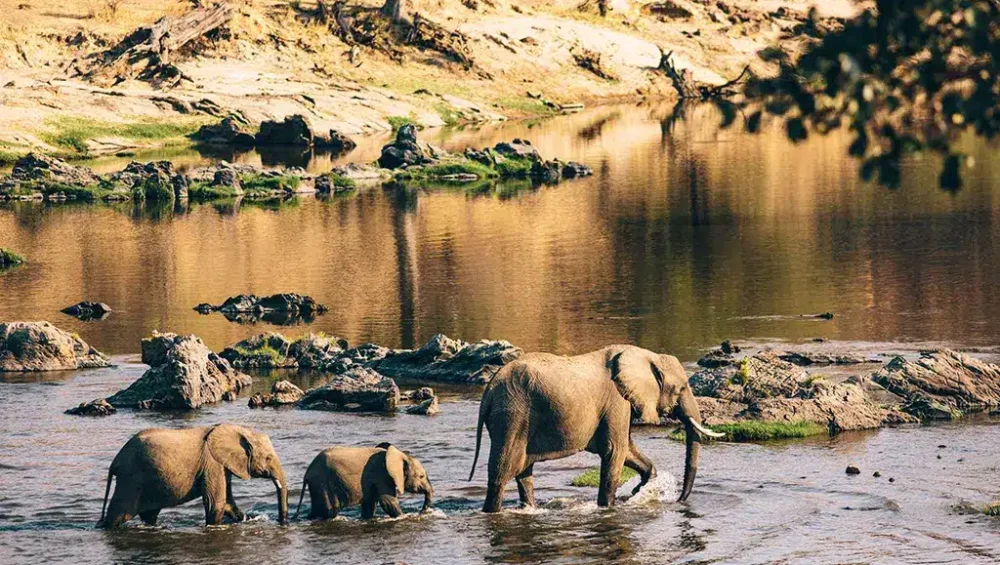
Parks such as Ruaha National Park and Nyerere National Park offer exceptional wildlife viewing as animals concentrate near permanent water sources like the Great Ruaha River and Rufiji River. Many safari experts consider July to October the peak wildlife viewing period. Travelers seeking lush scenery, birdwatching opportunities, and fewer visitors may prefer the green season from November to March.

1. Southern Tanzania Weather and Rainfall Patterns

Southern Tanzania safari seasons are strongly influenced by rainfall cycles.

Dry Season (June – October)

This is the classic African safari season. Conditions include:
  • Day temperatures: 25–30°C
  • Very low rainfall
  • Clear skies
  • Cooler mornings
As natural water sources shrink, wildlife concentrates near permanent rivers such as the Great Ruaha River and the Rufiji River. Animal encounters become easier because vegetation is thinner and animals must travel to drink.

Green Season (November – March)

The bush becomes lush and vibrant after the rains begin. Features include:
  • Short afternoon showers
  • Warm temperatures
  • Migratory birds arriving from Europe and Asia
  • Many animals giving birth
Wildlife disperses slightly because water is widely available across the landscape. This is an excellent season for photography and birdwatching.

Long Rain Season (April – May)

These months receive the heaviest rainfall. Travel considerations include:
  • Some safari camps close temporarily
  • Dirt roads may become difficult
  • Flight schedules may be reduced
However, the landscape becomes spectacularly green and visitor numbers drop significantly.

2. Month-by-Month Guide to Best Time to Visit Southern Tanzania Safaris

  • June – Beginning of the dry season with wildlife starting to gather near rivers.
  • July – Excellent wildlife viewing with cooler temperatures and clear skies.
  • August – Peak safari conditions with strong predator activity.
  • September – One of the best months for wildlife visibility.
  • October – Outstanding elephant sightings along river systems in Ruaha National Park.
  • November – Start of the green season with dramatic skies and fewer visitors.
  • December – Lush landscapes and excellent birdwatching.
  • January – Calving season for many grazing animals.
  • February – Great conditions for photography and quieter parks.
  • March – Increasing rainfall and greener scenery.
  • April – Long rains begin and some seasonal camps close.
  • May – Very quiet safari experiences with very few tourists.

3. Wildlife Behavior by Season

Dry Season Wildlife Concentration

During the dry months:
  • Large herds of African elephant gather along river systems
  • Predators such as the African lion patrol waterholes
  • Animals are easier to spot due to shorter grass
In Ruaha National Park, elephant gatherings along the Great Ruaha River are most common between August and October. Predators such as lions and occasionally the endangered African wild dog take advantage of prey animals concentrating near water.

Green Season Wildlife Activity

When rains arrive:
  • Grazing animals spread across the plains
  • Many newborn animals appear
  • Predator hunting activity increases
  • Bird migration peaks
Southern Tanzania becomes one of East Africa’s best birdwatching destinations during this period.

4. Southern Tanzania vs Northern Tanzania Safaris

Southern Tanzania offers a very different safari experience compared to northern Tanzania. The Southern Circuit parks such as Ruaha National Park and Nyerere National Park are known for vast wilderness areas and lower visitor numbers. Northern destinations such as Serengeti National Park and Ngorongoro Crater are famous for the Great Migration and are easier to access. Travelers seeking quieter, more remote safari experiences often prefer Southern Tanzania.

5. Crowd Levels Throughout the Year

Southern Tanzania is famous for low visitor density. Seasonal crowd patterns:
  • July–October → Moderate but still uncrowded
  • November–March → Very quiet parks
  • April–May → Almost no visitors
Compared to destinations like Serengeti National Park, wildlife sightings in the south often occur without multiple safari vehicles nearby.
Lions in Ruaha national Park Twombili Tanzania travel tips 2026

6. Safari Prices by Season

Peak Season (July – October)

  • Highest demand
  • Premium lodge pricing
  • Limited room availability

Shoulder Season (November – March)

  • Balanced pricing
  • Good wildlife viewing
  • Excellent photography conditions

Low Season (April – May)

  • Largest discounts
  • Very quiet safari experience
  • Some camps may be closed

7. Camp Closures and Accessibility

Some seasonal safari camps close during the long rains (April–mid May). Reasons include:
  • Flooded access roads
  • Reduced safari flight routes
  • Seasonal operational planning
Professional safari planning helps travelers choose camps that remain open during their travel dates.

8. How to Reach Southern Tanzania Safari Parks

Most travelers reach Southern Tanzania through domestic flights departing from Dar es Salaam. Small safari aircraft connect visitors to airstrips inside parks such as:
  • Ruaha National Park
  • Nyerere National Park
Road safaris are also possible, particularly to Mikumi National Park, which is accessible by vehicle from Dar es Salaam. Flying between parks significantly reduces travel time and allows visitors to explore multiple destinations efficiently.

9. Photography Advice by Season

Dry Season Photography

Best for:
  • Predator action scenes
  • Wildlife behavior shots
  • Classic golden safari landscapes
Dust particles create the iconic African safari atmosphere.

Green Season Photography

Best for:
  • Vibrant vegetation
  • Migratory birds
  • Dramatic skies
Many professional wildlife photographers prefer this season.

10. Park-by-Park Expert Guide

Ruaha National Park

Ruaha is one of Africa’s most important elephant and predator ecosystems. Best Visit Period: June – October
  • Large elephant populations
  • Lion pride hunting behavior
  • Occasional sightings of African wild dog

Nyerere National Park

Africa’s largest national park. Best Visit Period: July – October
  • Boat safaris on the Rufiji River
  • Guided walking safaris
  • Hippo and crocodile observation

Mikumi National Park

Located near Dar es Salaam. Best Visit Period: June – November
  • Open floodplains
  • Excellent wildlife visibility
  • Ideal for short safari trips

11. When Should You Book Your Safari?

Peak Season (July–October) 👉 Book 6–10 months in advance Green Season Travel 👉 Book 3–6 months in advance High Standard Mid-range and Luxury safari lodges often have limited availability.

12. Combining Southern Tanzania Safaris with the Coast

Many travelers combine safari with beach relaxation. Popular coastal extensions include: Recommended sequence: Safari → Beach vacation

13. Best Time Summary Table

Season Months Wildlife Viewing Crowds Price Level
Dry Season June – October Excellent Medium High
Green Season November – March Good Low Medium
Long Rains April – May Moderate Very Low Low

14. Expert Safari Planning Insights

  • The best time to visit Southern Tanzania Safaris for wildlife viewing is during the dry season from June to October.
  • During this period wildlife concentrates near rivers such as the Great Ruaha River and Rufiji River, making animal sightings easier.
  • Elephant concentrations along river corridors are highest between August and October.
  • Predator sightings including African lion and occasionally African wild dog increase when prey animals gather around shrinking water sources.
  • Southern Tanzania parks remain significantly less crowded than northern safari circuits.

15. You Might Also Find These Helpful

16. Frequently Asked Questions

1. What is the best month for Southern Tanzania safari?+
September and October are often considered the best months because wildlife concentrates around rivers and waterholes.
2. Is Southern Tanzania good during the rainy season?+
Yes, but wildlife may be more dispersed and some seasonal safari camps may close during April and May.
3. How many days are ideal for Southern Tanzania safari?+
Five to seven days is the ideal minimum duration for exploring the Southern Circuit.
4. Are Southern Tanzania safaris crowded?+
No. The Southern Circuit is known for low visitor density even during peak wildlife viewing seasons.
5. What animals can you see in Southern Tanzania?+
African elephant, African lion, leopard, African buffalo, giraffe, plains zebra, hippopotamus and Nile crocodile are commonly seen.
6. Is Southern Tanzania safe for tourists?+
Yes. Southern Tanzania safaris are conducted inside protected national parks and reserves with professional guides. Visitors travel with experienced safari operators, making it a safe and well-managed destination for international tourists.

17. Final Thoughts

Southern Tanzania represents one of Africa’s last truly wild safari frontiers. Travelers experience vast wilderness landscapes, authentic guiding traditions, and exceptional wildlife encounters.

18. Plan Your Southern Tanzania Safari

Whether planning a honeymoon, family safari, or luxury adventure, the safari specialists at Twombili Tours can design a personalized itinerary tailored to your travel dates and interests.
Honemoon safari photo Tanzania travel tips 2026

How to Plan the Perfect Tanzania Honeymoon Safari

 A Perfect Tanzania Honeymoon Safari: Where Romance Meets Wilderness

There’s a moment on a Tanzania honeymoon safari that stays with you forever. It might be the silence just before sunrise as golden light spreads across the savannah, or the quiet pause you share when elephants move past your vehicle.

There’s a moment on a Tanzania honeymoon safari that stays with you forever. It might be the silence just before sunrise as golden light spreads across the savannah, or the quiet pause you share when elephants move past your vehicle. These moments are not staged—they happen naturally, and that is what makes them unforgettable. A perfect Tanzania honeymoon safari replaces routine with shared discovery, where every day feels meaningful and emotionally rich. A perfect Tanzania honeymoon safari blends wilderness and intimacy in a way few destinations can match. From the iconic plains of the Serengeti to the remote beauty of Southern Tanzania and the beaches of Zanzibar, the journey unfolds in layers. It is not a fixed holiday but a story that evolves with you. When planned well, it feels effortless, personal, and deeply connected—everything you would expect from a perfect Tanzania honeymoon safari. What makes it special:
  • Constant change of scenery (savannah, crater, river, beach)
  • Shared wildlife encounters in real time
  • Private, uninterrupted experiences
  • A natural balance between adventure and relaxation
💡 Expert insight: Most couples don’t remember every lodge—they remember how the experience made them feel together.

🔶 Quick Expert Answer

Best choice by travel style:
  • 🦁 Northern Tanzania: Iconic safari moments (Serengeti & Ngorongoro)
  • 🌿 Southern Tanzania: Privacy, space, exclusivity (Ruaha & Nyerere)
  • 🌴 Best combination: Southern Tanzania safari + Zanzibar beach
Simple rule:
  • First safari → Northern Tanzania
  • Privacy & romance → Southern Tanzania
  • Best overall honeymoon → Combine both

1. Choosing the Right Safari Region for Your Honeymoon

Choosing the right safari region defines how your honeymoon feels from start to finish. Northern Tanzania offers structured, world-renowned safari experiences with high wildlife density and predictable game viewing. Southern Tanzania is quieter, more remote, and far less crowded, creating a slower and more intimate experience. Both regions are exceptional, but they appeal to different expectations and travel styles. The key is aligning the region with how you want your honeymoon to feel—not just what you want to see on your perfect Tanzania honeymoon safari.

🌍 Regional Overview

Northern Tanzania (Serengeti & Ngorongoro)
  • Iconic landscapes and wildlife density
  • Reliable Big Five sightings
  • Well-developed safari routes
  • Ideal for first-time safari travelers
Southern Tanzania (Ruaha & Nyerere)
  • Vast, uncrowded wilderness
  • Walking and boat safaris
  • Fewer vehicles at sightings
  • Strong sense of exclusivity
Comparison Table
Feature Northern Tanzania Southern Tanzania
Wildlife density Very high Moderate but natural
Crowds Moderate–high Very low
Safari style Structured Flexible & immersive
Accessibility Road-based Fly-in
Romance factor Moderate Very high
💡 Twombili insight: Southern Tanzania is often the better honeymoon choice because privacy allows moments to unfold naturally without interruption.

2. Choosing Romantic Lodges That Elevate Your Experience

Accommodation shapes how your honeymoon feels during quiet moments between activities. The best lodges are not simply luxurious—they are designed to feel personal, private, and connected to nature. Smaller camps create a sense of calm and exclusivity, while larger lodges can feel more structured and less intimate. For a honeymoon, atmosphere matters just as much as comfort. The goal is to feel relaxed, not managed. What to expect:
  • Private verandas or plunge pools
  • Outdoor showers or bathtubs
  • Quiet, low-capacity camps
  • Personalized dining experiences
Lodge comparison:
Type Experience
Large lodge Efficient, less personal
Boutique camp Intimate, tailored
Luxury tented camp Romantic, immersive
💡 Twombili difference: We select camps where service feels natural and personal—where you are known, not processed.

3. Experiences That Make a Honeymoon Truly Memorable

A honeymoon safari is defined by moments, not schedules. The most memorable experiences are those that feel unforced—where time slows down and you can simply enjoy being present together. Flexible guiding allows you to spend longer in meaningful situations instead of rushing between sightings. This creates a more natural and emotionally rich experience. The goal is not to do more, but to experience more deeply. Signature experiences:
  • Private sunrise and sunset game drives
  • Bush breakfasts and dinners
  • Walking safaris with expert guides
  • Boat safaris in Nyerere
  • Balloon safaris over the Serengeti
Why these matter:
  • Create shared emotional memories
  • Allow flexibility and spontaneity
  • Enhance privacy and intimacy
  • Deepen connection with nature
💡 Expert insight: The best safari moments are rarely planned—they happen when you have the freedom to stay longer.
perfect Tanzania honeymoon safari

4. Best Time to Travel (Experience-Based Guide)

The best time to travel depends on what kind of atmosphere you want for your honeymoon. The dry season offers reliable wildlife viewing and classic safari conditions, making it ideal for first-time visitors. The green season transforms the landscape into something softer and more visually dramatic, with fewer visitors and a more romantic feel. Each season offers a different experience rather than a better or worse one.
Season Experience Best for
June–Oct Dry, wildlife concentrated First-time safaris
Nov–Mar Green, lush landscapes Romance & photography
Apr–May Quiet, low tourism Privacy & value
💡 Twombili insight: The green season is often overlooked but delivers some of the most romantic safari conditions.

5. Cost, Value & What You Are Really Paying For

Cost should always be viewed in terms of the experience it delivers. Southern Tanzania safaris may include flights, but they provide more privacy and exclusivity. Northern Tanzania offers efficiency and high wildlife density, making it excellent value for certain travel styles. The real difference lies in how uninterrupted and personal your safari feels. A well-designed itinerary ensures that every cost contributes meaningfully to your experience. What you are paying for:
  • Time with wildlife without crowds
  • Quality of guiding and flexibility
  • Level of privacy and exclusivity
  • Overall experience flow
Factor Northern Southern
Transport Road Fly-in
Experience High activity High privacy
Crowds Moderate Very low
💡 Twombili approach: We prioritize value that enhances your experience—not unnecessary upgrades.

6. Safari + Zanzibar: The Perfect Honeymoon Flow

Combining safari with Zanzibar creates a complete honeymoon experience through contrast. Safari brings excitement, movement, and discovery, while Zanzibar introduces stillness and relaxation. This shift allows couples to fully unwind after days in the wild. The experience feels balanced, natural, and emotionally complete. Without this contrast, a honeymoon can feel either too active or too static. Ideal structure:
  • 5–7 days safari
  • 3–5 days Zanzibar
Zanzibar highlights:
  • Private beach villas
  • Sunset dhow cruises
  • Snorkeling and island trips
  • Relaxed beachfront dining
💡 Twombili insight: The transition from safari to beach is carefully planned to feel seamless and natural.

7. Why Twombili Tours Designs Better Honeymoons

A honeymoon safari requires attention to detail, emotional understanding, and deep local knowledge. At Twombili Tours, we operate as a small, focused team, allowing us to give every couple personalized attention. Our guides and partners bring years of experience but work in a more flexible and client-focused environment. This allows us to design experiences that feel intentional rather than standardized. The result is a honeymoon that feels smooth, personal, and thoughtfully curated. Core difference:
  • Large operators → standardized packages
  • Twombili Tours → tailored, experience-driven planning
💡 Why it matters: A honeymoon is not about logistics—it is about how every moment feels.
perfect Tanzania honeymoon safari

8. You Might Also Find These Helpful

9. Frequently Asked Questions

1. Can we combine Northern and Southern Tanzania in one honeymoon? +
Yes, and it is one of the best ways to create a complete safari experience. Northern Tanzania offers iconic highlights, while Southern Tanzania provides privacy and depth. When planned properly, the transition between regions is smooth and enhances the overall journey. Many couples find this combination gives them both excitement and intimacy.
2. Are honeymoon safaris physically demanding? +
Not at all. Honeymoon safaris are designed to be flexible and comfortable. Game drives can be relaxed, and downtime is always included. The pace is adjusted to suit your energy levels and preferences. Most couples find it enjoyable rather than tiring.
3. How far in advance should we book? +
We recommend booking 6–9 months in advance for the best availability. Smaller camps fill up quickly, especially during peak seasons. Early planning allows for better routing and lodge selection. It also ensures a smoother overall experience.
4. Is Southern Tanzania really worth it for a honeymoon? +
Yes, especially for couples seeking privacy and exclusivity. The low number of vehicles and vast landscapes create a more intimate environment. Experiences feel less rushed and more personal. Many couples describe it as more meaningful than busier regions.
5. Can you personalize every part of the honeymoon? +
Yes. Every itinerary is built from scratch based on your preferences. From accommodation to activities, everything is tailored. This ensures your honeymoon reflects your style and expectations. No two itineraries are the same.
6. What makes a Tanzania honeymoon safari different? +
Tanzania offers a rare combination of wildlife, landscapes, and beach extensions. Few destinations allow you to experience both adventure and relaxation so seamlessly. The diversity of experiences creates a more complete honeymoon. It is both exciting and deeply relaxing.

10. Final Thoughts

A Tanzania honeymoon safari is more than a trip—it is a shared experience that brings together adventure, intimacy, and connection. From the vast wilderness of the savannah to the calm of the Indian Ocean, every stage of the journey adds something meaningful. When carefully designed, it becomes a seamless flow of moments rather than a series of destinations. The memories created here are not just seen—they are felt.

11. Plan Your Honeymoon Safari

Whether you are dreaming of a private wilderness experience, iconic wildlife encounters, or a balanced safari and beach escape, the team at Twombili Tours can design a journey tailored entirely to you. Every detail is carefully considered to match your pace, preferences, and expectations. The result is a honeymoon that feels natural, effortless, and unforgettable.