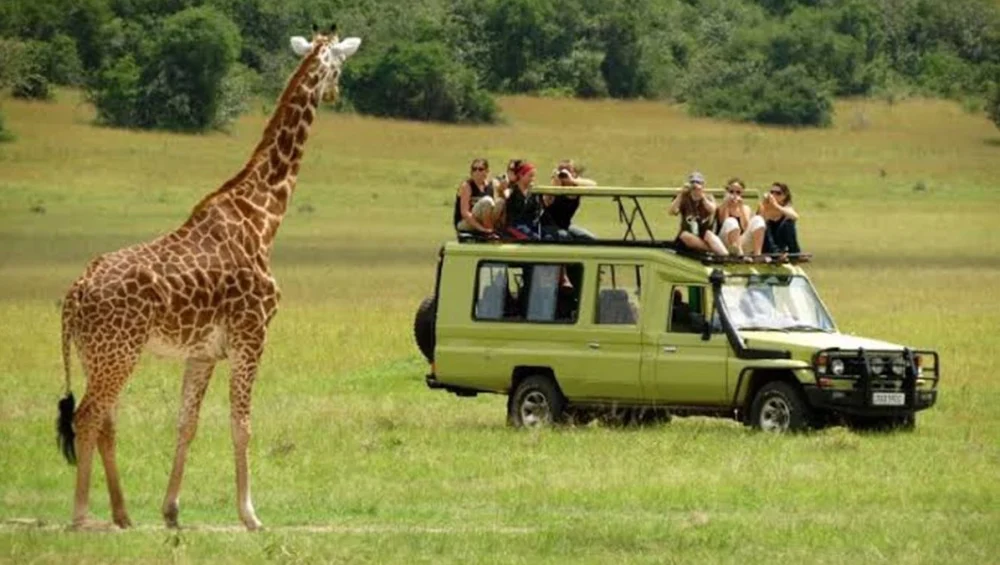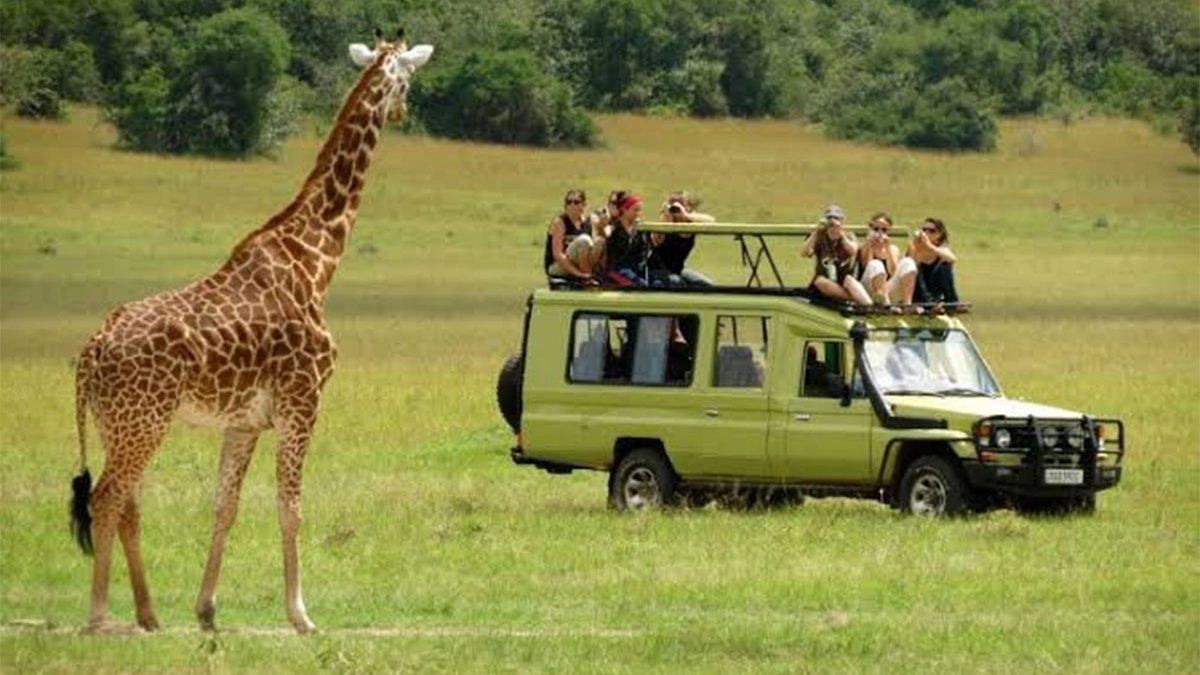
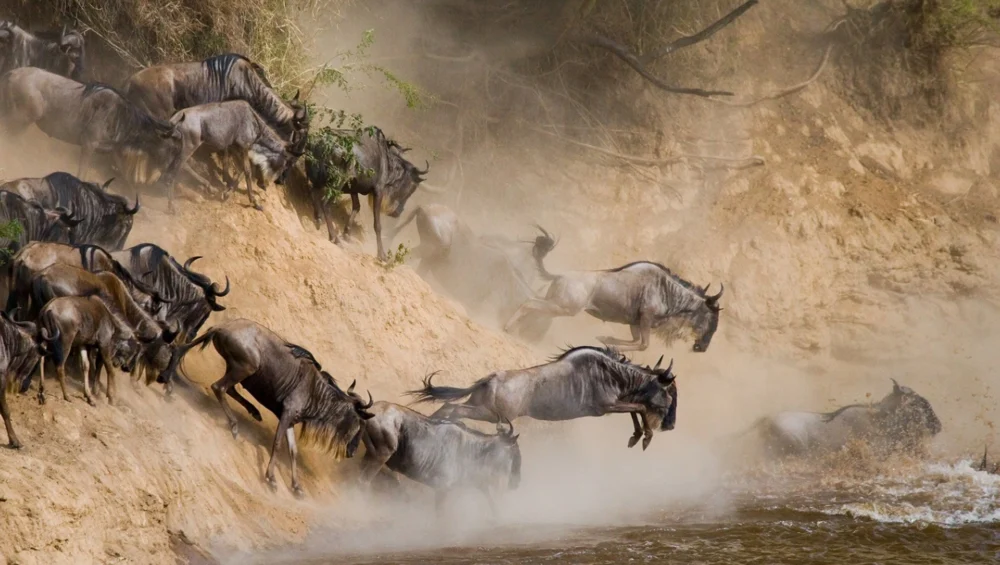
Wildebeest migration river crossing Tanzania green season safari

Tanzania Green Season Safari Guide: Why the Rainy Season Is a Hidden Gem

Tanzania Green Season Safari Guide: Why the Rainy Season Is a Hidden Gem

The green season in Tanzania typically runs from November to March, with heavier rains usually occurring in April and May. Rather than constant rain, this season is defined by short, refreshing showers, lush landscapes, dramatic skies, and far fewer visitors. Across both Northern and Southern Tanzania, parks transform into vibrant ecosystems filled with fresh grass, blooming plants, and abundant water — creating a strikingly different safari atmosphere.

1. What Is the Green Season in Tanzania?

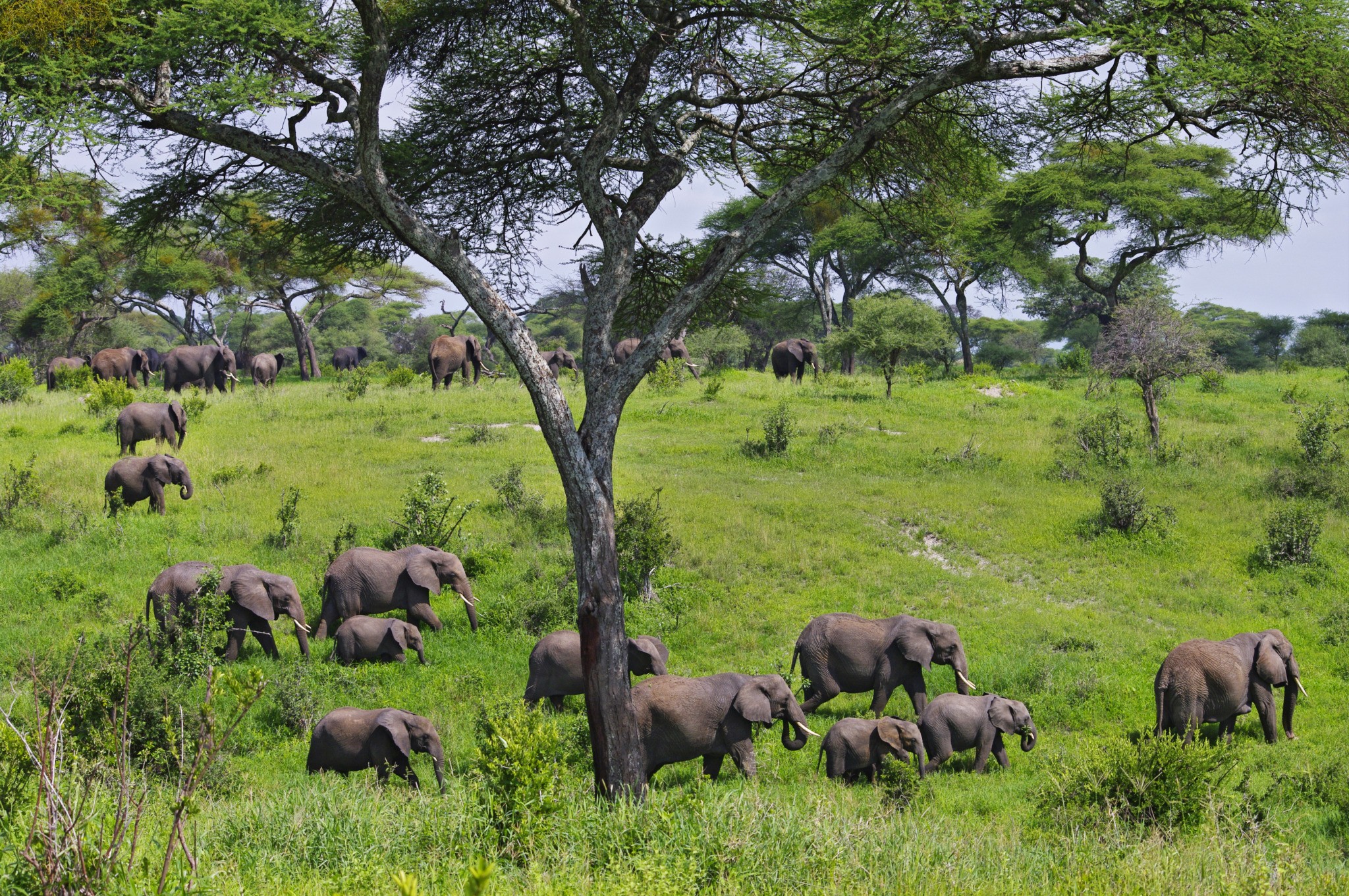
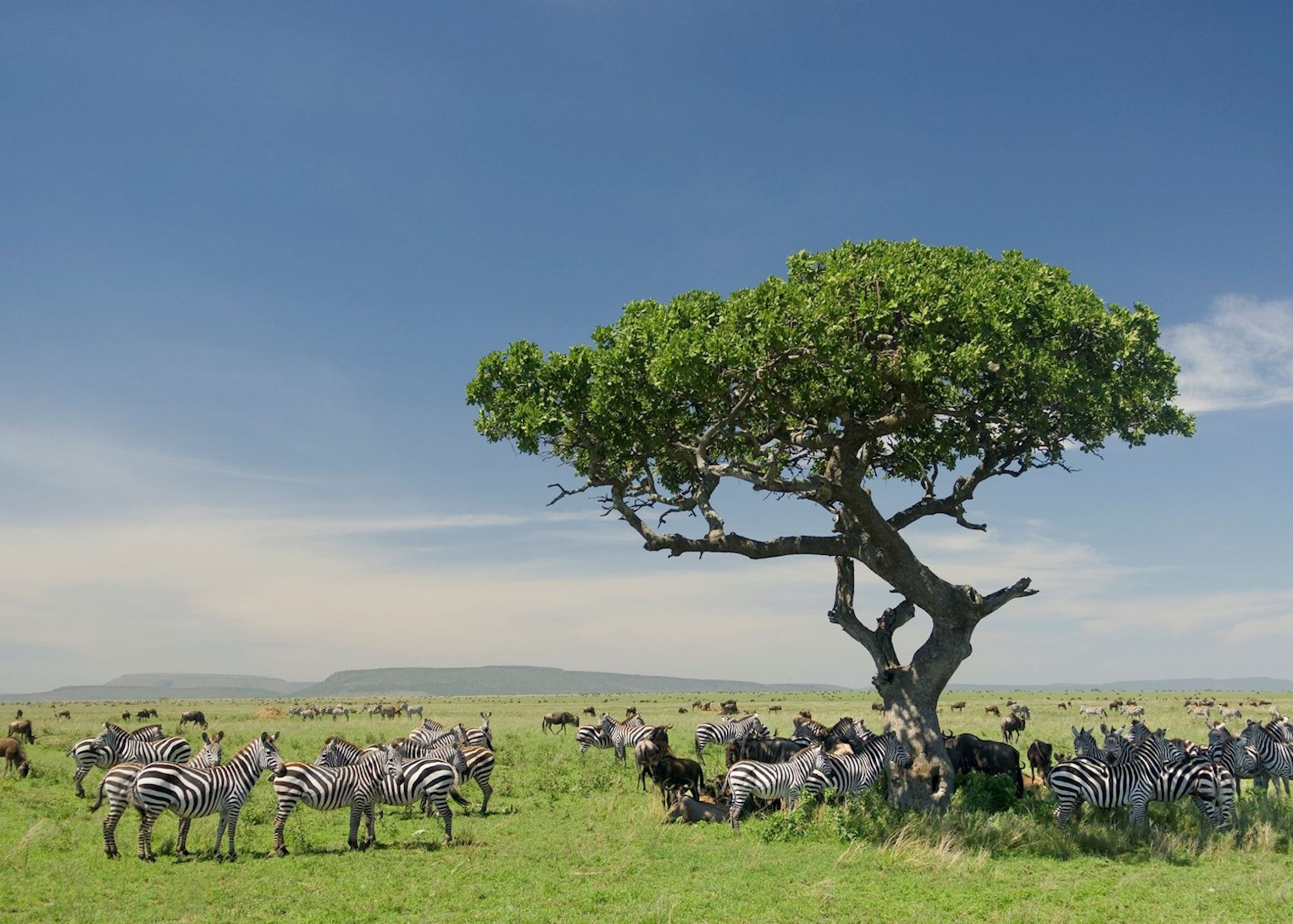
The green season brings life back into the savannah. Short rains revive vegetation, rivers refill, and wildlife disperses across wider areas, creating a more natural and immersive safari experience.

2. Honest Overview: Is a Green Season Safari Worth It?

Yes — for the right traveler, a green season safari can be exceptional. While the dry season is known for predictable wildlife concentrations, the green season offers space, atmosphere, and striking scenery. Rain rarely lasts all day, and game drives continue daily. Experienced guides adapt routes and timing to ensure rewarding sightings. This season is less about dust and crowds — and more about authenticity, light, and wilderness mood.

3. Wildlife Experience During the Green Season

  • Herbivores spread out as water becomes widely available
  • Predator sightings remain strong, especially lions and leopards
  • Birdlife peaks with migratory species
  • Calving season begins in parts of the Serengeti (Jan–Feb)
The southern Serengeti becomes especially active during calving, offering dramatic predator–prey encounters.

4. Why the Green Season Can Be the Best Time to Visit

  • Fewer vehicles at wildlife sightings
  • Lush, photogenic landscapes
  • Dramatic cloud formations and sunsets
  • Lower safari costs than peak season
  • More flexible lodge availability
For many seasoned safari-goers, this is their favourite time to travel.
Tanzania green season safari

5. Who Enjoys Green Season Safaris the Most?

Families
  • Lower prices
  • Less crowded parks
  • Flexible pacing
Photographers
  • Rich green backdrops
  • Soft, diffused light
  • Storm clouds and golden breaks of sun
Bird Enthusiasts
  • Peak season for migratory birds
Honeymooners & Couples
  • Privacy and fewer guests
  • Romantic, atmospheric landscapes

6. Photography During the Green Season

  • Animals appear healthier and cleaner
  • Vibrant, non-dusty backgrounds
  • Reflections and dramatic skies add depth
Patience is rewarded with images that are impossible to capture in peak season.

7. Safari Costs & Value in the Green Season

  • Reduced lodge rates
  • More inclusions and added value
  • Access to premium lodges at better prices

8. Getting Around & Road Conditions

  • Main safari routes remain accessible
  • Guides adapt daily routes after rainfall
  • Southern parks like Ruaha & Nyerere perform especially well

9. How to Prepare for a Green Season Safari

  • Pack quick-dry, breathable clothing
  • Bring a light waterproof jacket
  • Protect camera gear with rain covers
  • Allow flexibility in daily schedules

You Might Also Find These Helpful

Frequently Asked Questions (FAQs)

Does it rain all day during the green season? +
No. Rain usually comes in short bursts, often in the afternoon or evening.
Is wildlife harder to see in the rainy season? +
Wildlife spreads out more, but sightings remain excellent with skilled guides.
Is the green season safe for safari travel? +
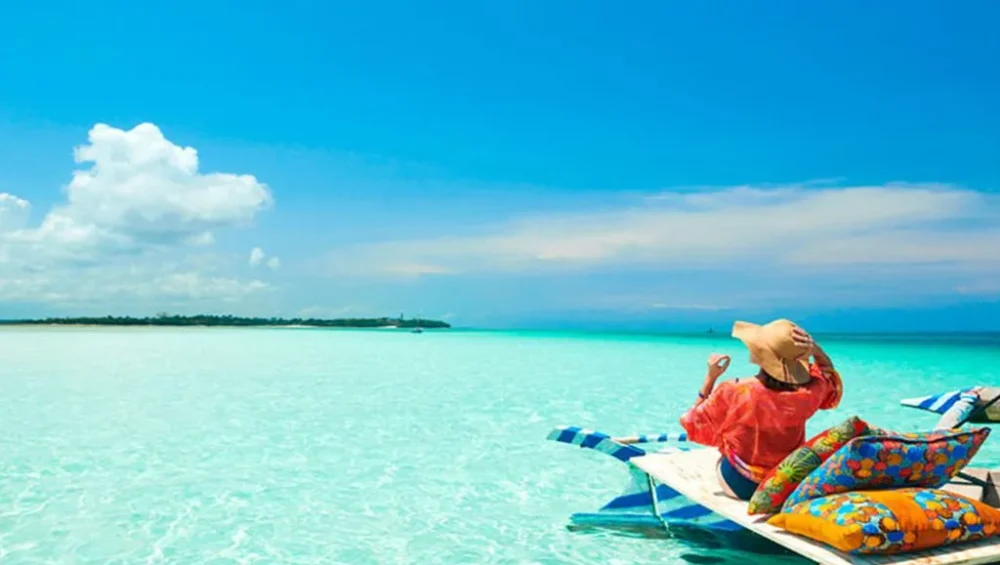
Yes. Parks, lodges, and roads operate normally throughout the season.
How to Plan Zanzibar Beach and Safari Tanzania green season safari

Northern Tanzania Safari Guide: Serengeti, Ngorongoro & Tarangire Explained

Northern Tanzania Safari Guide: Serengeti, Ngorongoro & Tarangire Explained

A Northern Tanzania safari is the classic African safari experience many travelers dream of. Vast open plains, dramatic volcanic landscapes, abundant wildlife, and world-famous national parks come together to create a journey that feels cinematic and timeless.

From the endless savannahs of the Serengeti to the natural wonder of Ngorongoro Crater and the elephant-rich landscapes of Tarangire, Northern Tanzania offers extraordinary diversity within a compact and well-connected region.

1. Introduction to Northern Tanzania Safaris

For first-time visitors, photographers, families, and honeymooners alike, the northern safari circuit delivers iconic wildlife encounters, excellent infrastructure, and a wide choice of accommodation styles — from budget-friendly lodges to ultra-luxury camps.

northern Tanznia safari

2. What Is the Northern Safari Circuit?

The Northern Tanzania safari circuit refers to a collection of national parks and conservation areas located in the north of the country, typically accessed via Arusha or Kilimanjaro International Airport.

  • Serengeti National Park
  • Ngorongoro Conservation Area
  • Tarangire National Park
  • Lake Manyara National Park

These parks are commonly combined into itineraries of 5 to 10+ days, making the northern circuit ideal for travelers seeking variety without excessive travel times.

3. Serengeti National Park

The Serengeti is the crown jewel of Northern Tanzania and one of the most celebrated safari destinations on earth.

Wildlife & Highlights
  • Home to the Great Migration of over 1.5 million wildebeest and zebras
  • Exceptional year-round sightings of lions, leopards, cheetahs, and elephants
  • Endless open plains ideal for wildlife photography

Game drives in the Serengeti feel immersive and raw — whether you’re witnessing dramatic river crossings, predator hunts, or vast herds stretching beyond the horizon.

4. Ngorongoro Crater

A UNESCO World Heritage Site, Ngorongoro Crater is one of Africa’s most extraordinary wildlife areas.

  • The world’s largest intact volcanic caldera
  • Extremely high wildlife density
  • One of the best places to see endangered black rhinos

Descending into the crater feels like entering a natural amphitheater, where wildlife thrives year-round thanks to permanent water sources.

5. Tarangire National Park

Often underrated, Tarangire adds a unique character to a Northern Tanzania safari.

  • Massive elephant herds
  • Ancient baobab-dotted landscapes
  • Outstanding birdlife, especially during the green season

Tarangire is particularly rewarding between June and October, when wildlife concentrates along the Tarangire River.

6. Best Time to Visit Northern Tanzania

  • June–October: Best wildlife viewing, Great Migration river crossings
  • January–March: Calving season in southern Serengeti
  • November & April–May: Green season, fewer crowds, lush landscapes

7. Safari Costs & Budget Ranges

  • Budget: Shared safaris, basic lodges or camps
  • Midrange: Private vehicle, comfortable lodges
  • Luxury: High-end lodges, private guides

8. Lodges & Accommodation Options

  • Budget lodges
  • Midrange lodges & tented camps
  • Luxury safari camps & lodges

9. Getting Around the Northern Circuit

  • Private 4×4 safari vehicles
  • Domestic flights between Serengeti and Arusha

10. Is Northern Tanzania Good for Families & Honeymoons?

  • Families: Short distances, flexible lodges
  • Honeymooners: Romantic camps, Zanzibar extensions

You Might Also Find These Helpful

Frequently Asked Questions (FAQs)

Is Northern Tanzania better than Southern Tanzania for a first safari? +
Northern Tanzania offers iconic wildlife, shorter distances, and famous parks — ideal for first-time safari travelers.
How many days are ideal for a Northern Tanzania safari? +
Most travelers choose 7–9 days to experience Serengeti, Ngorongoro, and Tarangire comfortably.
Can Northern Tanzania safaris be combined with Zanzibar? +
Yes — many itineraries end with a relaxing Zanzibar beach extension.
elephants tanzania safety guide Tanzania green season safari

An Update on Safety in Tanzania

Is Tanzania Safe to Visit Now? 2025–2026 Updated Travel & Safari Safety Guide

Following global headlines and questions from travelers, many people are asking about Tanzania travel safety 2025. Tanzania remains one of Africa’s most iconic safari and beach destinations, and while the country experienced brief political tensions in late 2025, conditions for travelers have since stabilised across the vast majority of tourism regions.

1. Current Situation in Tanzania

In late 2025, Tanzania experienced political tensions following the October 29 elections. Protests and security responses were largely concentrated in urban centers and were widely reported internationally.

Since then, the situation has significantly stabilised:

  • Airports, border crossings, and national parks are operating normally.
  • Police and security forces maintain proactive patrols nationwide.
  • Daily life has returned to routine in most regions.
  • Safari zones and coastal destinations were not affected.

Importantly, the unrest did not spread into key tourism areas such as Serengeti, Ngorongoro, Kilimanjaro region, Southern Tanzania safari parks, or Zanzibar.

Tanzania travel safety 2025

2. What Happened After the 2025 Election

Following the general election, unrest occurred in some mainland urban areas, particularly Dar es Salaam, where temporary curfews and increased security were implemented.

  • Public protests related to disputed election outcomes
  • Short-term curfews and limited internet disruptions
  • Security alerts issued by several foreign embassies

These events were political in nature, short-lived, and geographically limited. They have since been contained, with normal operations restored.

3. Official Government & Tourism Sector Reassurances

The Tanzanian Ministry of Natural Resources and Tourism has confirmed that peace and stability have been restored nationwide.

  • All air, land, and sea entry points are fully operational
  • National parks, lodges, and conservation areas remain open
  • Tourism services continue without disruption

Authorities reaffirm Tanzania’s commitment to international safety standards and continue to welcome visitors with confidence.

4. Travel Advisories & What They Mean

Some governments maintain advisory language urging caution. These advisories are precautionary and do not prohibit travel.

  • U.S.: Level 3 – Reconsider Travel (standard advisory wording)
  • Canada and others: Exercise increased caution
  • UK: Advises awareness near select border areas

Travel advisories are designed to encourage informed planning — not to signal that safaris or beach holidays are unsafe.

5. What Tourists Are Reporting on the Ground

Feedback from travelers, safari operators, and lodge staff consistently shows:

  • Serengeti, Ngorongoro, Ruaha, Nyerere, and Mikumi are calm and active
  • Kilimanjaro climbs and safari circuits continue normally
  • Zanzibar beach zones remain peaceful and welcoming
  • Flights and domestic transfers operate as scheduled

Many describe a “tourist bubble” effect — remote safari and coastal regions feel far removed from political activity.

6. Practical Safety Tips for Travelers

  • Avoid large political gatherings in major cities
  • Stay informed through trusted news and operator updates
  • Carry digital and printed travel documents
  • Use reputable local tour operators
  • Maintain comprehensive travel insurance

You Might Also Find These Helpful

Frequently Asked Questions (FAQs)

Is Tanzania safe to visit now for safari and beach holidays? +
Yes. Most tourism zones, including national parks and Zanzibar, are peaceful and fully operational. Recent unrest was urban and political, and has stabilised.
Are flights and transport services working normally? +
Yes. Domestic and international flights, transfers, and logistics have resumed normal operations.
What do travel advisories mean for my booking? +
Advisories promote awareness and planning. They do not prohibit travel or safaris when planned responsibly.
Should I avoid major cities? +
Avoid political demonstrations and large gatherings in cities. Normal awareness is sufficient.
How can I stay safe on safari? +
Travel with experienced guides, stay in established lodges, and follow local advice.
best time to visit tanzania Tanzania green season safari

When is the Best time to visit Tanzania

When Is the Best Time to Visit Tanzania?

The best time to visit Tanzania depends on the wildlife encounters you dream about. With its sweeping savannahs, dense miombo woodlands, and the legendary Southern Circuit, Tanzania offers extraordinary safari experiences across all seasons. Each period of the year brings its own rhythm—whether it’s predator-packed dry months, lush green landscapes, calving season, or exceptional birding. Below is a clear seasonal guide to help you plan the perfect adventure.

Dry Season (June to October) – Peak Wildlife Viewing

This is widely considered the best time to visit Tanzania for classic, high-visibility safaris. Skies are crisp, vegetation thins, and wildlife gathers around rivers and waterholes—especially in Ruaha, Nyerere (Selous), Mikumi, and Katavi, where game viewing becomes spectacular.

  • Perfect for predator sightings in the Southern Circuit
  • Best conditions for walking safaris and boat safaris
  • Lower humidity and minimal mosquitoes
  • Ideal for both Northern and Southern Circuit itineraries
best time to visit Tanzania

Short Rains (November to December) – Emerald Season Begins

Gentle afternoon showers revive the wilderness without interrupting safari activities. This is a favourite period for photographers thanks to dramatic skies and vibrant greens.

  • Excellent value with fewer crowds
  • Bursting birdlife including migratory species
  • Beautiful green landscapes
  • Great for travellers seeking tranquillity

Calving & Birding Season (January to March)

This is one of the most dramatic wildlife periods. Newborn animals attract heightened predator activity across Tanzania. In the Serengeti, wildebeest calving unfolds across Ndutu; meanwhile, Southern Tanzania delivers phenomenal predator action and rich birding.

  • Thousands of newborn animals
  • Peak predator encounters
  • Best time for birding enthusiasts
  • Warm, bright days ideal for photography

Long Rains (April to May) – Off-Peak, Wild & Wonderfully Quiet

The quietest season of the year brings deep greens, dramatic skies, and exceptional value. While some lodges close, many remain open—especially in the Southern Circuit where landscapes become incredibly photogenic.

  • Lowest safari prices
  • Lush, misty landscapes
  • Peaceful, unhurried safari pace
  • Great for adventurous travellers

You Might Also Find These Helpful

Frequently Asked Questions (FAQs)

What is the absolute best month to visit Tanzania?+
July to October offers the most reliable wildlife viewing across all major parks, especially in Ruaha and Nyerere.
Is Tanzania good in the rainy season?+
Yes! The green seasons (Nov–Dec and Apr–May) offer stunning landscapes, better rates, and fantastic birding.
When is the best time for the Great Migration?+
December–March for calving in Ndutu, and July–October for river crossings in northern Serengeti.
Is the Southern Circuit seasonal?+
The Southern Circuit shines year-round, but June–October is ideal for predators and concentrated wildlife.
zanzibar beach tanzania travel safety Tanzania green season safari

Is Tanzania Safe to Visit Now? Post‑Election Travel & Safari Update 2025

Is Tanzania Safe to Visit Now? Post‑Election Travel & Safari Update 2025

Why This Update Matters Late 2025 brought political unrest in parts of Tanzania — leading to curfews, protests in urban centers, and international travel advisories. As travel professionals committed to transparency and guest safety, we believe it’s crucial to offer a clear, honest, up-to-date look at the situation — especially for travelers considering safaris, beach holidays, or honeymoons. In this guide, we walk you through what’s true, what’s changed, and why many parts of Tanzania — especially safari zones and beaches — continue welcoming visitors under safe, normal conditions.

1. What Happened — What Caused the Concern

After the 29 October 2025 elections, several urban areas (notably parts of Dar es Salaam and other cities) experienced violent protests, curfews, and social unrest. Internet disruptions, transport delays, and heightened security presence caused global travel advisories, with some countries recommending citizens avoid non-essential travel to Tanzania. As a result, many travelers paused or cancelled plans — understandably concerned about safety.

2. What the Government & Tourism Authorities Say — Reassurances You Should Know

On 4 November 2025, the Ministry of Natural Resources and Tourism issued an official statement: all entry/exit points — air, land, sea, rail — remain fully operational, and tourism services nationwide are “proceeding normally.” According to Tanzania National Parks Authority (TANAPA), all 21 national parks and protected areas remain open and unaffected by unrest. No incidents targeting tourists were recorded before, during, or after the demonstrations. Tourism data show arrivals remained strong even in early November 2025 — a signal that many international visitors and operators still trust Tanzania’s tourism infrastructure.

3. Where It’s Safe — Safari Zones, Parks & Coastal Areas

🟢 Safari & National Parks Popular safari circuits — Serengeti National Park, Ngorongoro Crater, Tarangire National Park, southern parks like Ruaha National Park and Nyerere National Park — remain calm, operational, and unaffected by the unrest. Lodges, conservation areas and tourism infrastructure continue normal operations; game drives, safari transfers, and visitor services are reportedly working smoothly. 🏖️ Coastal & Beach Destinations Coastal areas and islands such as Zanzibar remain peaceful and open for business. Resorts and beach lodges are welcoming guests; recent travel reviews suggest few — if any — disruptions. 👉 In short: the unrest was largely urban and political. Remote safari zones and coastal resorts — where you go for wildlife or beach escapes — have remained largely unaffected.
Tanzania travel safety 2025

4. What Now — Travel Advisories & Realities

Source Advisory / Statement
U.S. Department of State Level 3: “Reconsider Travel” — cites unrest, crime, demonstrations, and risk of violence.
Smartraveller (Australia) Advises travelers to avoid protests and large gatherings; warns of unpredictable security environment.
Tanzanian Government (Ministry of Tourism) Declared that peace and stability have been restored; tourism operations normal.

5. Tips for Safe & Smooth Safari or Beach Travel in 2025/2026

  • Travel directly to safari or beach areas on arrival (minimise overnight stays in cities).
  • Use private transfers, charter flights or escorted transfers rather than public transport.
  • Keep digital copies of your passport, visa, and travel insurance — store them offline if internet access becomes unstable.
  • Register with your embassy or home country’s traveler programme and share your itinerary with family/friends.
  • Stay respectful and discreet: avoid photographing protests, law enforcement, or social media distribution of politically sensitive material — this is a regulation under new security laws.

Why Now Might Be a Good Time to Visit

Parks and lodges may have better availability and lower rates than peak season — many travellers postponed, so demand is lower. With fewer crowds, you might experience quieter, more intimate wildlife viewing and lodge stays. Supporting tourism now helps local communities and signals confidence — which can help stabilize livelihoods and encourage responsible tourism businesses.

You Might Also Find These Helpful

Frequently Asked Questions (FAQs)

Are national parks open and safe for tourists after the unrest? +

Yes. According to the national parks authority and tour operators, all 21 national parks remain open, operational, and unaffected. There have been no reports of incidents involving tourists in parks or lodges.

Are domestic flights and transport working normally? +

Domestic flights and transport services have resumed and operate normally, although scheduling may shift — it’s wise to confirm with your airline or tour operator before traveling.

Do travel advisories from other countries mean I must cancel my trip? +

Not necessarily — advisories are often conservative and account for worst-case scenarios, especially regarding urban unrest. Many safari and beach destinations remain safe. If you travel with caution, stay in quiet areas, and keep flexible plans, many visitors are still having safe, enjoyable trips.

What precautions should I take if I travel now? +

Avoid protests, keep travel documents handy, plan arrival to avoid delays, use private transfers, and stay updated with local authorities or your tour operator. Travel insurance is strongly recommended.

Can I get a refund if plans change due to new unrest or curfews? +

Many reputable tour operators (including Twombili Tours) now offer flexible booking terms due to unpredictable conditions. Always confirm cancellation and change policies before booking.

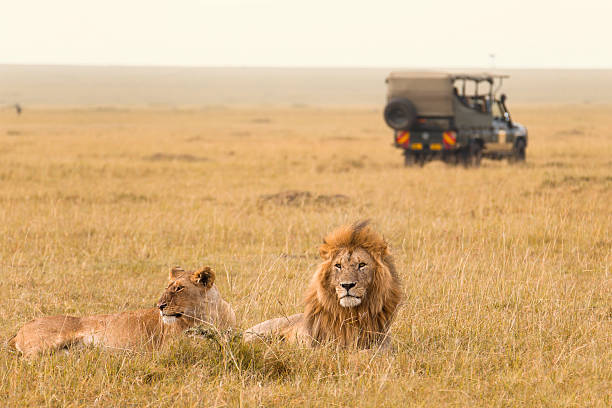
Lions on the savannah Tanzania green season safari

Best Time to Visit Tanzania – Month-by-Month Safari Guide

Best Time to Visit Tanzania – Month-by-Month Safari Guide

1. Why Timing Matters

Tanzania offers diverse climates, wildlife activity, and travel experiences throughout the year. Choosing the right month is crucial for spotting the Big Five, witnessing the Great Migration, or combining safari adventures with Zanzibar beaches. Planning ahead ensures comfortable travel, optimal wildlife viewing, and a stress-free experience.

2. Month-by-Month Breakdown

January – March

  • Wildlife Highlights: Calving season in Southern Serengeti and Ndutu; predator sightings increase.
  • Weather: Warm days, occasional short rains.
  • Best For: Families, mid-range and luxury safari-goers.
  • Travel Tips: Book early if combining safari + beach; some lodges may have limited availability during calving season.

April – May

  • Wildlife Highlights: Migration moves north; fewer tourists.
  • Weather: Long rains, lush landscapes.
  • Best For: Travelers seeking green season scenery, birdwatching, and fewer crowds.
  • Travel Tips: Bring waterproof gear; some dirt roads may be slippery.

June – October

  • Wildlife Highlights: Peak Great Migration river crossings in Northern Serengeti.
  • Weather: Dry season, perfect for game drives and photography.
  • Best For: Honeymooners, families, photographers, and luxury travelers.
  • Travel Tips: Book lodges well in advance; early mornings can be chilly.

November – December

  • Wildlife Highlights: Migration moves back south; lush Southern Serengeti.
  • Weather: Short rains; still good for wildlife viewing.
  • Best For: Couples seeking green landscapes and fewer tourists.
  • Travel Tips: Short rain showers typically don’t disrupt travel. Zanzibar is warm and slightly humid.

3. Safari Circuit Considerations

3.1 Northern Circuit

  • Regions: Serengeti, Ngorongoro Crater, Lake Manyara, Tarangire.
  • Highlights: Big Five sightings year-round, migration from June–October.
  • Recommended Lodges: Serengeti Serena Lodge, Ngorongoro Serena Lodge.

3.2 Southern Circuit

  • Regions: Ruaha, Selous, Mikumi, Nyerere National Park.
  • Highlights: Less crowded, dramatic landscapes, calving season (Dec–Mar).
  • Recommended Lodges: Ruaha River Lodge, Selous Safari Camp.

3.3 Zanzibar & Coastal Areas

  • Best Months: June–September for dry beach weather.
  • Activities: Snorkeling, spice tours, sunset cruises, private resorts.
  • Recommended Lodges: Zuri Zanzibar, Baraza Resort & Spa, Matemwe Lodge.

4. Cost & Family-Friendly Travel Tips

Month Safari Type Estimated Cost Range Family-Friendly? Notes
Jan–Mar Midrange / Luxury $3,500–$8,000 Yes Calving season, avoid peak holiday rush
Apr–May Midrange $2,500–$5,500 Yes Green season, fewer tourists
Jun–Oct Luxury $4,000–$10,000 Yes Peak migration, book early
Nov–Dec Midrange / Luxury $3,000–$8,000 Yes Short rains, lush scenery

5. Travel Logistics

  • Flights: Kilimanjaro International Airport (Arusha), Zanzibar International Airport, domestic flights to Serengeti, Ruaha, and Ndutu.
  • Transfers: Private 4×4 safari vehicles with experienced guides.
  • Packing Tips: Lightweight, breathable layers; warm clothing for early mornings; sunscreen and insect repellent.
  • Documents: Passport (6+ months validity), eVisa or visa approval, vaccination certificates (Yellow Fever if required), travel insurance.
Best time to visit Tanzania - Lions on the savannah

You Might Also Find These Helpful:

6. Frequently Asked Questions (FAQs)

When is the best month for wildlife viewing in Tanzania? +
Can I combine a safari with Zanzibar beaches anytime? +
What is the green season, and should I avoid it? +
Is Tanzania safe for families and honeymooners? +
How far in advance should I book for peak months? +
How to Plan Zanzibar Beach and Safari Tanzania green season safari

When & Where to See the Great Migration in Tanzania

The Great Migration in Tanzania

1. Understanding the Great Migration

The Great Migration in Tanzania is one of nature’s most dramatic spectacles — a year-round movement of over 1.5 million wildebeest, 200,000 zebras, and thousands of gazelles across the Serengeti ecosystem in search of fresh grazing. It’s not a single event but a circular journey that takes place through the Serengeti and Masai Mara, offering incredible viewing opportunities throughout the year.

From calving in the southern plains to river crossings in the north, this migration cycle attracts wildlife enthusiasts, photographers, and families seeking one of Africa’s greatest natural experiences.


2. The Migration Route: Month-by-Month Overview

Month Location Highlights
January – March Southern Serengeti (Ndutu & Kusini Plains) Calving season – thousands of newborn wildebeest and predator action.
April – May Central Serengeti Herds move north; lush green landscapes, fewer crowds.
June – July Western Corridor (Grumeti River) River crossings begin, crocodile encounters.
August – October Northern Serengeti (Mara River) Dramatic Mara River crossings; high season for luxury safaris.
November – December Eastern & Central Serengeti Herds return south, ideal for quieter photographic safaris.

3. Best Places to See the Migration

3.1 Southern Serengeti (Ndutu Plains)

Best Time: December to March

Highlights: Calving season with thousands of newborns and predators.

Recommended Lodges: Ndutu Safari Lodge, Lemala Ndutu Camp, Lake Masek Tented Camp.

Vibe: Serene, raw, full of action — perfect for photographers and adventure lovers.

3.2 Western Serengeti (Grumeti)

Best Time: May to July

Highlights: River crossings at the Grumeti; fewer crowds.

Recommended Lodges: Grumeti Serengeti Tented Camp, Kirawira Serena Camp.

Vibe: Remote and tranquil, great for luxury escapes.

3.3 Northern Serengeti (Kogatende & Lamai)

Best Time: July to October

Highlights: Mara River crossings — iconic, thrilling, unforgettable.

Recommended Lodges: Sayari Camp, Lemala Kuria Hills, Serengeti Bushtops.

Vibe: Dramatic and luxurious — perfect for couples, photographers, and families.


4. Getting There

Most visitors fly into Kilimanjaro International Airport or Arusha Airport before connecting to the Serengeti via:

  • Domestic Flights: Coastal Aviation or Auric Air from Arusha, Zanzibar, or Dar es Salaam.
  • Drive Options: Scenic drives via Ngorongoro and the Central Serengeti.
  • Private Charters: Ideal for luxury or multi-park safari extensions.

5. Costs & Safari Options

Safari Type Duration Price Range (per person) Highlights
Budget Safari 5–7 days $1,800–$2,800 Shared camps, guided drives, authentic experience.
Midrange Safari 6–8 days $3,000–$4,500 Comfortable lodges, private vehicle, full-board meals.
Luxury Safari 7–10 days $5,500–$9,000 Fly-in safaris, premium lodges, fine dining, expert guides.
Luxury Plus 8–12 days $9,000+ Exclusive camps, private charters, tailor-made itineraries.

Twombili Tours can tailor your safari based on your preferred season, interests, and comfort level.


6. Family-Friendly Migration Safaris

  • Lodges with family tents or villas (like Lemala Ewanjan or Melia Serengeti Lodge).
  • Flexible game drives to accommodate younger travelers.
  • Child-friendly guides who adapt activities for all ages.
  • Private safaris allowing families to set their own pace.

For safety, children under 6 are often restricted in mobile camps — our team ensures your itinerary is perfectly matched.


7. When to Go for the Best Experience

  • Calving & Predator Action: January–March (Ndutu Plains)
  • Iconic River Crossings: July–October (Mara River)
  • Fewer Crowds & Green Landscapes: April–June or November
  • Honeymooners: Combine August–October migration with a Zanzibar beach stay

8. Travel Tips for a Great Migration Safari

  • Pack: Neutral clothing, binoculars, sun protection, and a good camera.
  • Documents: Passport, visa (if applicable), yellow fever certificate.
  • Health: Take malaria prophylaxis; carry basic medication.
  • Gear: Light rain jacket (March–May), camera batteries, and chargers.
  • Book Early: Especially for July–October lodges, which fill up fast.

You Might Also Find These Useful


Frequently Asked Questions (FAQs)

Most dramatic moments: July–October (Mara River) & Jan–March (calving).
Yes, many lodges offer family suites and child-friendly programs.
7–12 months ahead for premium periods; 6 months for off-peak.
Absolutely! Many travelers finish their safari with a Zanzibar beach honeymoon or relaxation stay.
Yes, Twombili Tours offers guided budget packages with authentic tented camps and shared vehicles.
How to Plan Zanzibar Beach and Safari Tanzania green season safari

Top Luxury Lodges in Zanzibar for Romantic Getaways

Luxury Zanzibar Lodges – Romantic Safari Extensions

After the thrill of a Tanzania safari, Zanzibar offers couples a dreamy escape with pristine beaches, turquoise waters, and secluded luxury. Luxury lodges combine comfort, privacy, and personalized service, making them perfect for honeymooners or couples seeking a romantic retreat after the bush.


1. Key Features of Luxury Lodges

  • Private Beach Access: Direct shoreline access for sunbathing, snorkeling, and sunset strolls.
  • Exclusive Villas & Suites: Separate villas with plunge pools, ocean views, or overwater options.
  • Fine Dining: Gourmet meals with local and international cuisine, often included or available à la carte.
  • Wellness & Spa: Massage, yoga, and wellness experiences for ultimate relaxation.
  • Activities: Snorkeling, spice farm tours, dhow cruises, and water sports.

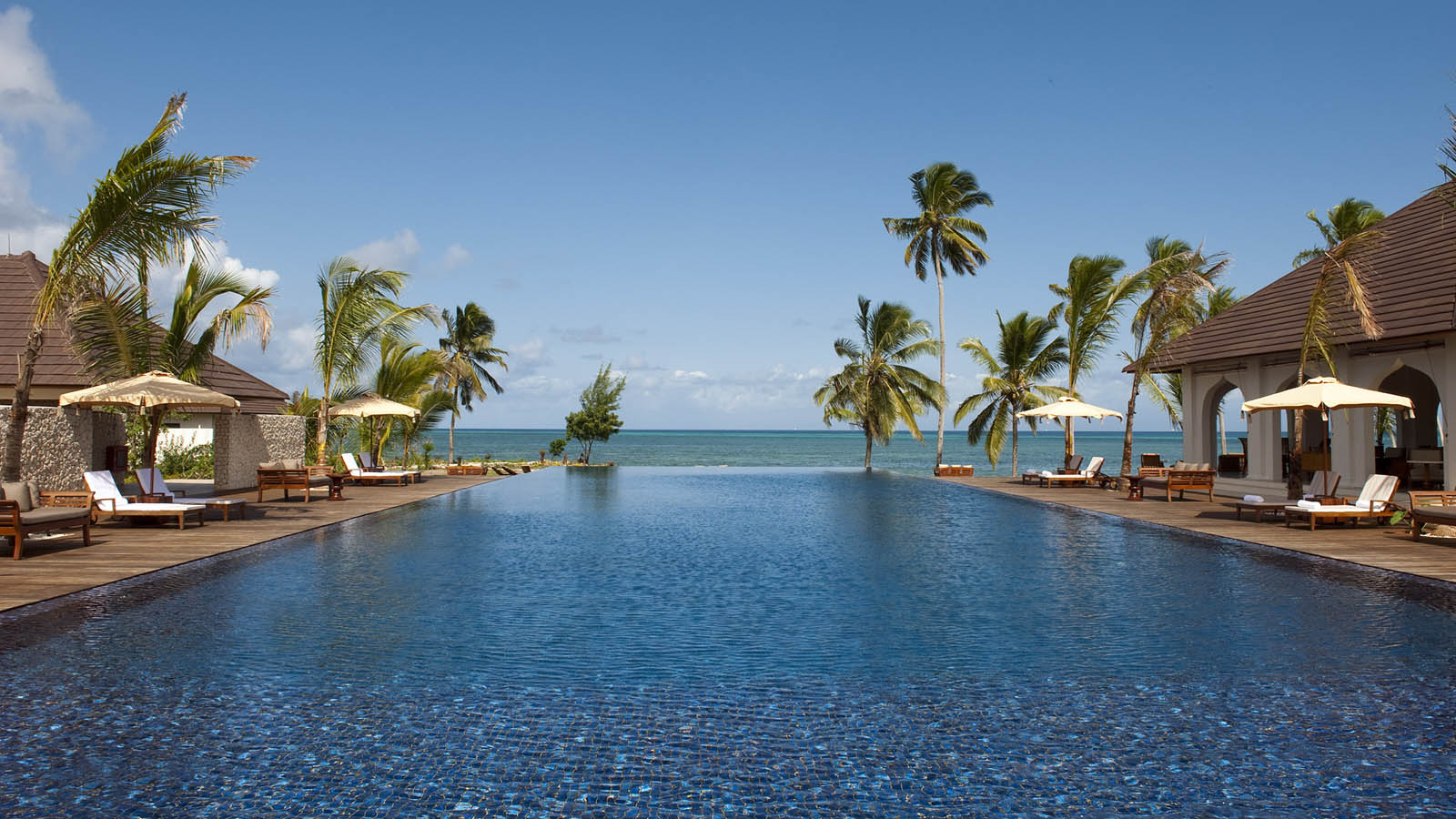
Luxury Zanzibar Lodges - The Residence

2. Top Luxury Zanzibar Lodges

2.1 Baraza Resort & Spa

  • Location: Bwejuu, East Coast
  • Highlights: Swahili-inspired villas, private pools, beachfront location
  • Price Range: $350–$500/night
  • Best For: Honeymooners seeking luxury and privacy

2.2 The Z Hotel

  • Location: Nungwi, North Coast
  • Highlights: Boutique resort, infinity pool, gourmet dining
  • Price Range: $300–$450/night
  • Best For: Couples looking for high-end comfort and adventure

2.3 Matemwe Lodge

  • Location: Matemwe, Northeast Coast
  • Highlights: Ocean-view rooms, snorkeling, cultural tours
  • Price Range: $280–$400/night
  • Best For: Relaxed luxury with intimate surroundings

2.4 Essque Zalu Zanzibar

  • Location: Nungwi
  • Highlights: Overwater suites, multiple restaurants, spa
  • Price Range: $400–$550/night
  • Best For: Couples celebrating special occasions

2.5 Mnemba Island Lodge

  • Location: Private island off the Northeast Coast
  • Highlights: Ultra-exclusive, all-inclusive, pristine reef
  • Price Range: $950–$1,200/night
  • Best For: Ultimate honeymoon or anniversary getaway

3. Travel & Booking Tips

  • Book well in advance, especially during June–September and December–January.
  • Many lodges offer transfers from Zanzibar airport or Stone Town; Twombili Tours can arrange seamless safari-to-lodge transfers.
  • Plan for spa treatments or romantic excursions ahead of time.
  • Pack lightweight resort wear, evening outfits, swimwear, and a sun hat.

4. Health & Safety for Romantic Getaways

  • Use mosquito repellent and sunscreen daily.
  • Stay hydrated, especially during beach and water activities.
  • Ensure vaccinations and malaria prophylaxis are up to date.

5. You Might Also Find These Useful


6. Frequently Asked Questions (FAQs)

Yes! They offer private villas, overwater suites, romantic dining, and spa options designed for couples.
Absolutely. Many couples do a mid-range or luxury safari and end their trip in a luxury Zanzibar lodge for the perfect blend.
Most luxury lodges offer full-board or all-inclusive packages, with gourmet dining included.
Snorkeling, dhow cruises, spice farm tours, beach walks, and private spa treatments are common.
June–September and December–January for dry, sunny weather and calm seas.
Wildebeest migration river crossing Tanzania green season safari

Best Midrange Zanzibar Hotels for Safari Extensions

Midrange Zanzibar Hotels – Comfort & Value After Your Safari

After an exciting Tanzania safari, Zanzibar offers the perfect combination of white sandy beaches, turquoise waters, and cultural exploration. Midrange hotels provide comfort and quality without the high luxury price tag, making them ideal for couples, families, or solo travelers looking to relax and recharge after the bush.


1. Key Considerations When Choosing a Midrange Hotel

  • Location: Close to beaches, town centers (Stone Town), or spice farms.
  • Amenities: Pool, Wi-Fi, breakfast included, local restaurant.
  • Style & Experience: Boutique, culturally immersive, or beachfront.
  • Accessibility: Transfers from Zanzibar airport or ferry, and easy access from safari drop-off points.

2. Top Midrange Zanzibar Hotels

2.1 Tembo House Hotel

  • Location: Stone Town, walking distance to historical sites
  • Highlights: Colonial charm, rooftop terrace, in-town convenience
  • Price Range: $80–$120/night
  • Best For: Couples or travelers who want culture and local flair

2.2 Pongwe Beach Hotel

  • Location: East Coast beach
  • Highlights: Secluded beach, traditional Swahili cottages, pool
  • Price Range: $120–$150/night
  • Best For: Romantic honeymooners and relaxed beach stays
Midrange Zanzibar Hotels - Turaco

2.3 Blue Oyster Hotel

  • Location: Nungwi, North Coast
  • Highlights: Beach access, midrange pricing, simple luxury
  • Price Range: $90–$140/night
  • Best For: Families or travelers wanting proximity to snorkeling and local restaurants

2.4 Zanzibar Coffee House

  • Location: Stone Town
  • Highlights: Central location, café-style breakfast, boutique feel
  • Price Range: $70–$100/night
  • Best For: Short stay after safari or cultural immersion

2.5 Kisiwa House

  • Location: Near Matemwe
  • Highlights: Private villas, beachside tranquility, snorkeling nearby
  • Price Range: $100–$130/night
  • Best For: Couples seeking a peaceful beach extension

3. Travel Tips for Midrange Zanzibar Stays

  • Book early, especially in high season (June–September and December–January).
  • Combine your safari transfer with a pre-arranged hotel pickup to avoid airport delays.
  • Pack light resort wear, swimwear, and casual evening attire.
  • Check for included amenities like breakfast, beach towels, and Wi-Fi to get the best value.

4. Health & Safety Tips

  • Use mosquito repellent, especially near mangroves or forested areas.
  • Stay hydrated and use sunscreen for long beach days.
  • Ensure vaccinations and malaria prophylaxis are up to date.

5. You Might Also Find These Useful


6. FAQs

Can midrange Zanzibar hotels accommodate honeymooners?+
How far are these hotels from safari drop-off points?+
Are meals included in midrange hotels?+
Can families stay at these hotels?+
When is the best time to visit Zanzibar after a safari?+
Wildebeest migration river crossing Tanzania green season safari

What to Pack for Your Safari & Beach Honeymoon

Why Packing Smart For Your Honeymoon Matters

A safari and beach honeymoon combines adventure, romance, and relaxation. Packing smart ensures your experience is seamless, comfortable, and unforgettable. Conditions vary across Tanzania’s Northern and Southern Circuits and Zanzibar, so thoughtful preparation can make all the difference.

Twombili Tours guides have curated this comprehensive honeymoon packing guide, based on years of experience planning romantic safari and beach escapes.


Clothing Essentials

Safari Days:

  • Lightweight, breathable neutral colors (khaki, beige, olive)
  • Long-sleeved shirts for sun protection
  • Safari trousers or zip-off pants
  • Fleece or light jacket for cooler mornings and evenings
  • Wide-brimmed hat and sunglasses
  • Comfortable closed walking shoes or trail sneakers

Beach & Resort:

  • Flowing dresses, kaftans, or casual linen outfits
  • Swimsuits and cover-ups
  • Flip-flops or sandals
  • Lightweight evening wear for romantic dinners or sunset cocktails
  • Coordinated colors for great honeymoon photos

Twombili Tip: Pack a mix of safari and resort clothing that’s versatile, lightweight, and easy to layer for comfort and style.


Accessories & Safari Gear

  • Binoculars (8×40 or higher recommended)
  • Camera with extra batteries and memory cards
  • Small backpack or daypack
  • Power bank for long game drives
  • Refillable water bottle (avoid single-use plastics)
  • Travel laundry kit for quick washes
  • Sunglasses with UV protection
safari and beach honeymoon

Travel Documents & Essentials

  • Passport (valid at least 6 months)
  • Travel insurance with medical coverage
  • Yellow Fever vaccination certificate (if required)
  • Visa approval (e-visa printout or copy)
  • Safari itinerary and booking confirmations
  • Emergency contacts (Twombili Tours info included)
  • Credit/debit cards and small cash for local purchases

Twombili Tip: Keep a copy of all documents in your luggage and one in your daypack for safaris and beach excursions.


Health & Personal Care

  • High-quality insect repellent (DEET or picaridin)
  • Sunscreen (SPF 30+) and lip balm with SPF
  • After-bite cream or soothing lotion
  • Malaria prophylaxis (consult your doctor before travel)
  • Personal medications and basic first-aid kit
  • Hand sanitizer and wet wipes
  • Reusable face mask or scarf for dusty game drives

Seasonal & Regional Considerations

Southern Tanzania (Ruaha, Nyerere, Mikumi): Temperatures vary; layers are essential.

Northern Tanzania (Serengeti, Ngorongoro): Warm layers for high-altitude areas like Ngorongoro Crater rim.

Zanzibar: Hot and humid most of the year; breathable cotton and light fabrics are recommended.

Twombili Tip: Check the forecast before departure — the dry season (June–October) is best for wildlife, while Zanzibar is pleasant June–September.


Romantic Evening Essentials

  • Lightweight summer dress or wrap for her
  • Linen shirt and chinos for him
  • Comfortable evening sandals
  • Simple accessories or a scarf for photos

Packing Checklist Summary (Honeymoon Focus)

  • Safari clothing and footwear
  • Beachwear and resort outfits
  • Evening wear for romantic dinners
  • Binoculars and camera gear
  • Travel documents & insurance
  • Health essentials and personal medications
  • Lightweight backpack/daypack and refillable water bottle
  • Travel laundry kit and small flashlight

Twombili Tip: Pack light, versatile items and coordinate colors — it makes both travel and photos easier while keeping luggage manageable.

1. Can I do laundry while on safari?+
Yes, most lodges offer same-day laundry service. Bring biodegradable soap for delicate items.
2. Are there luggage limits on safari flights?+
Small planes usually limit luggage to 15 kg in soft bags. Confirm with your Twombili consultant.
3. What should couples pack for Zanzibar?+
Swimwear, light resort wear, flip-flops, sun hats, and evening wear for romantic dinners or cocktails.