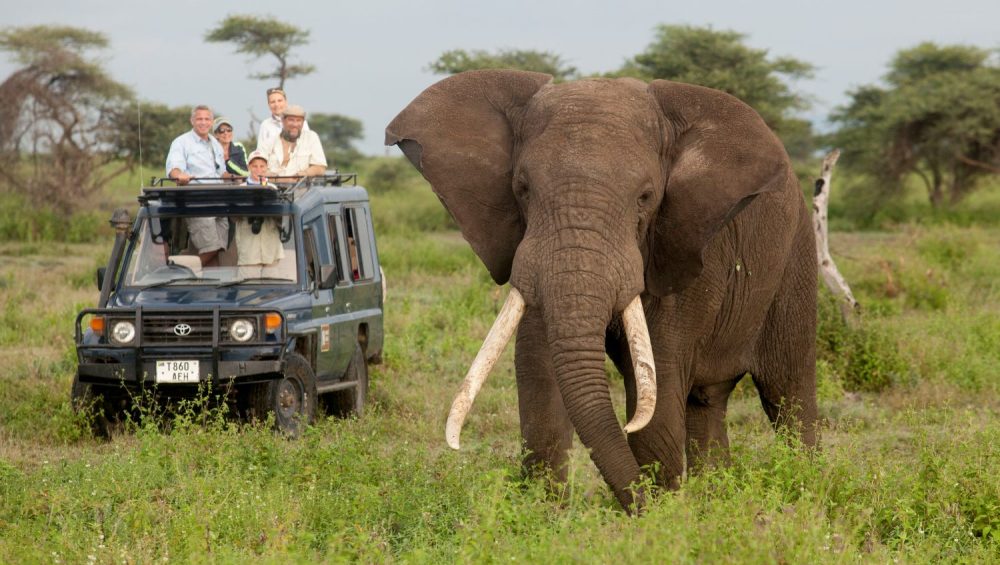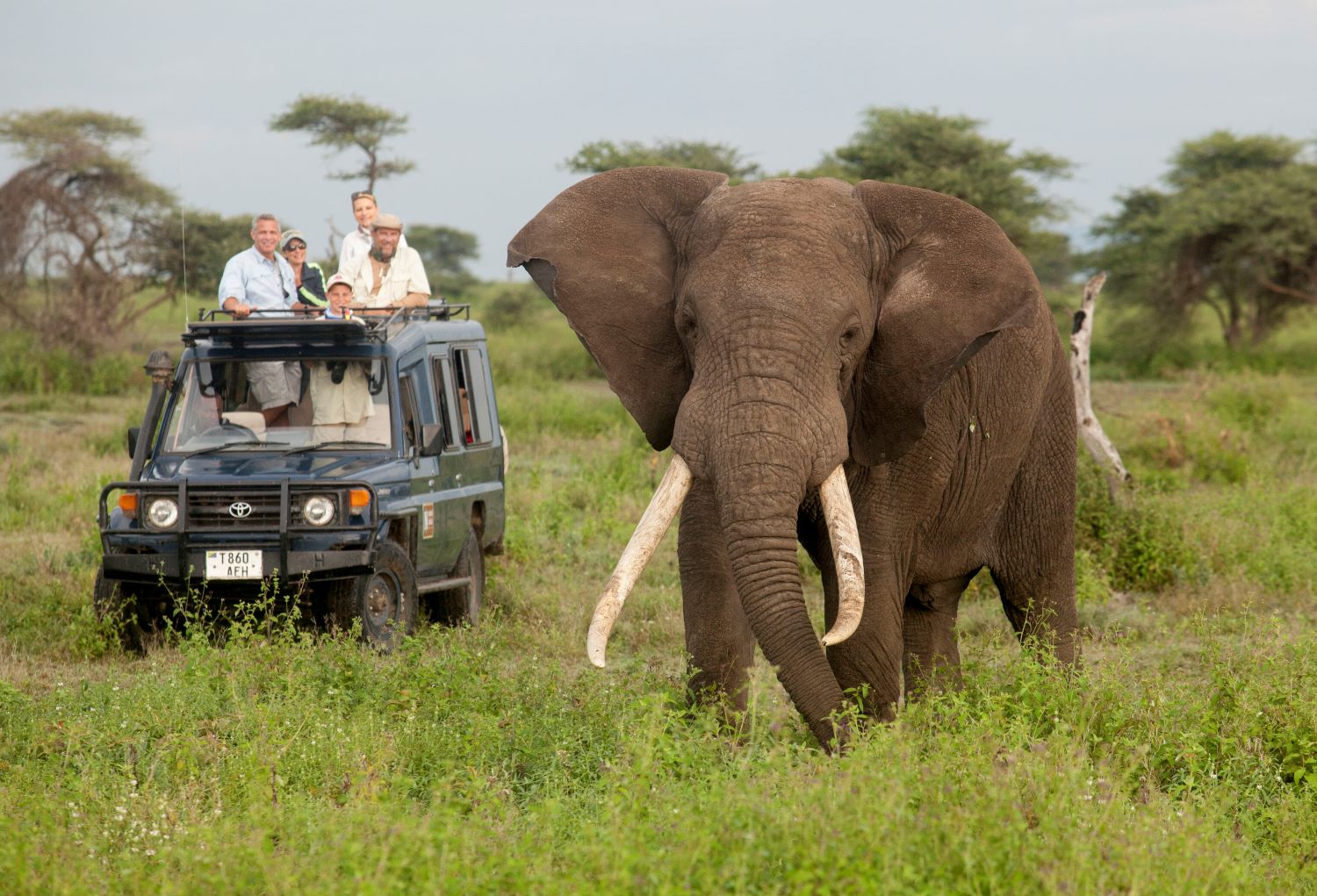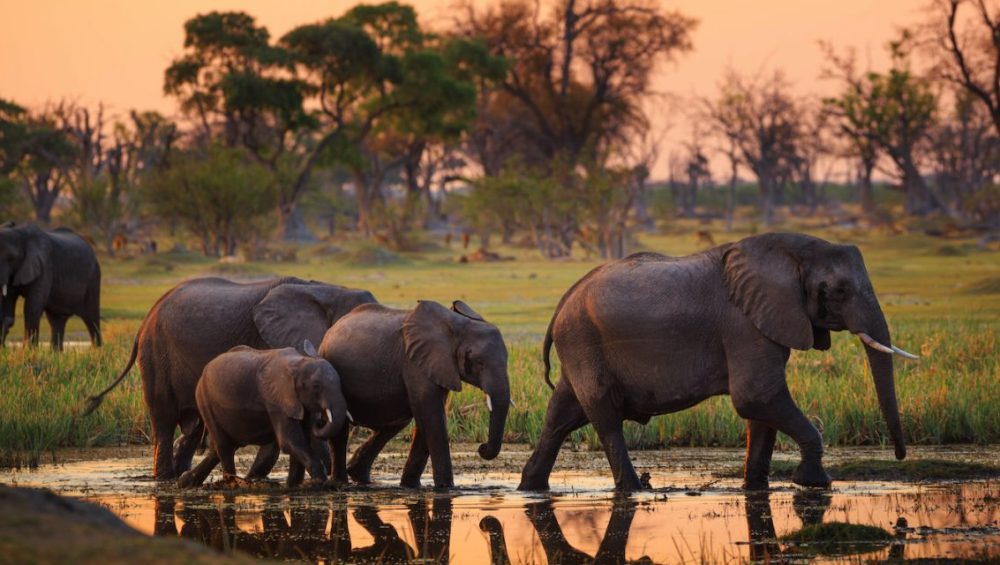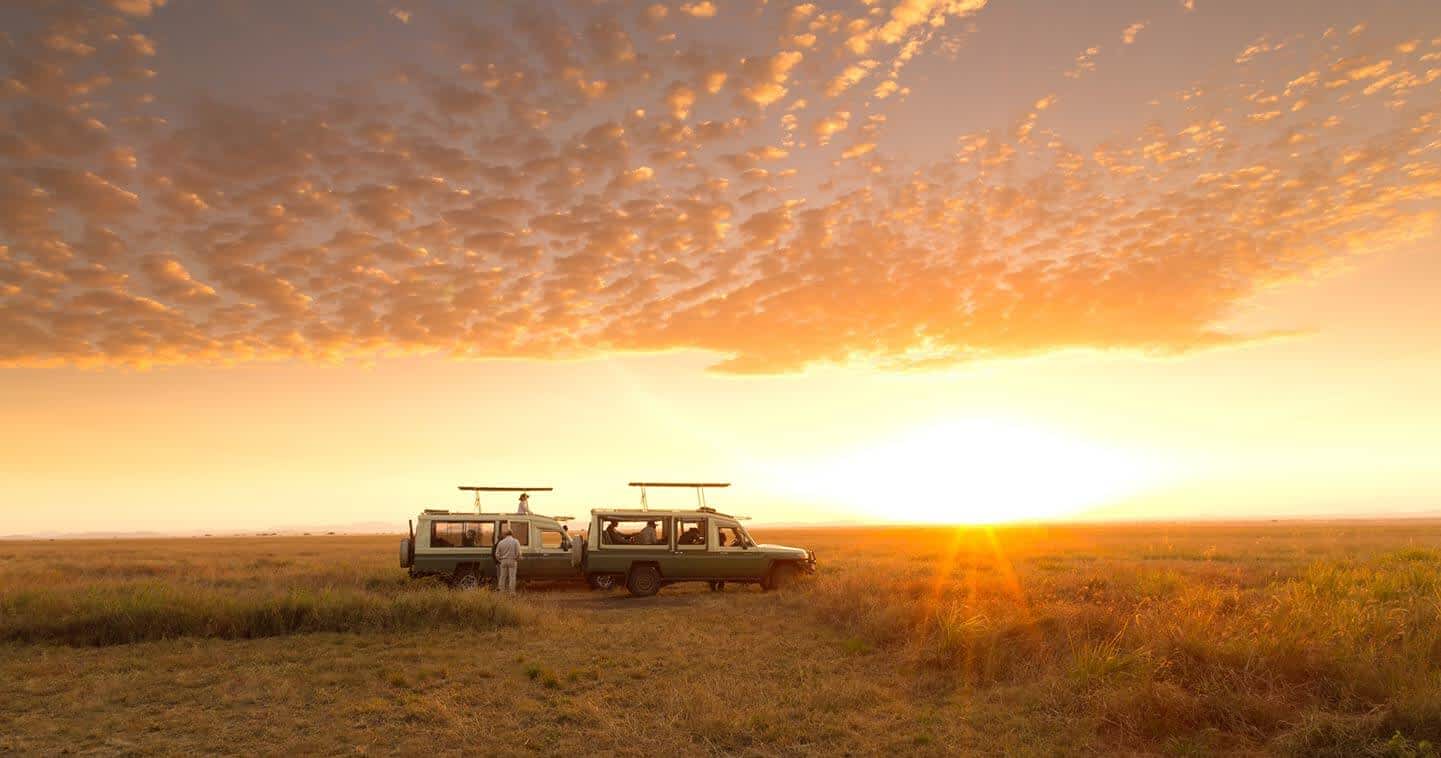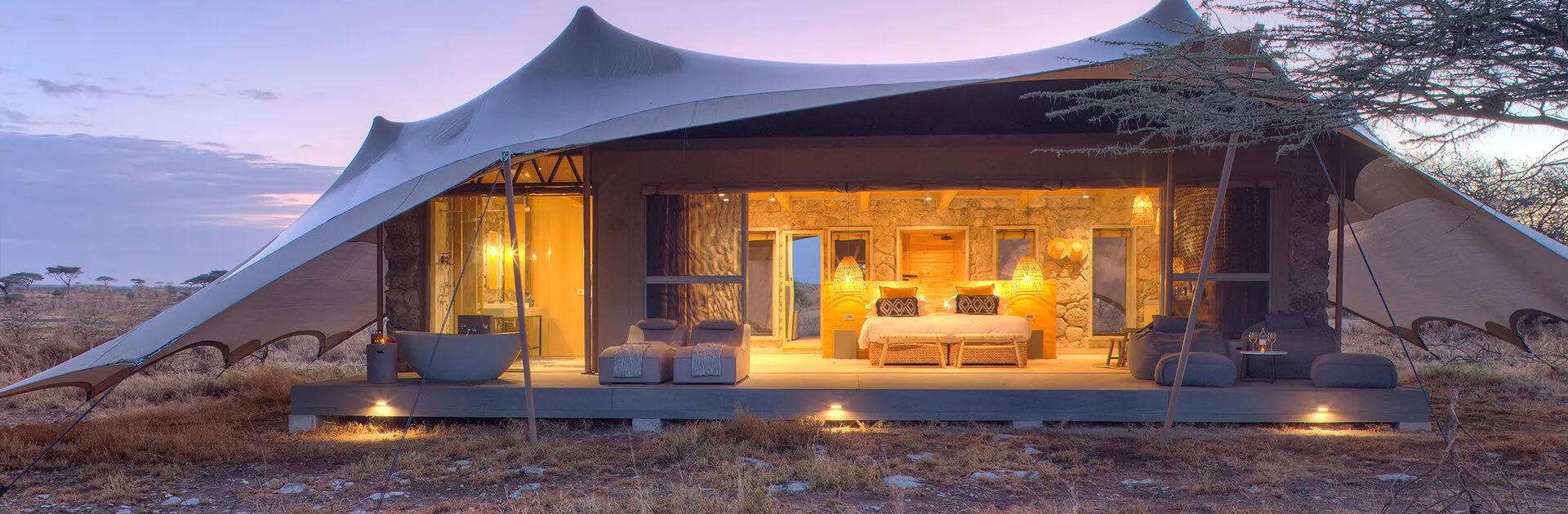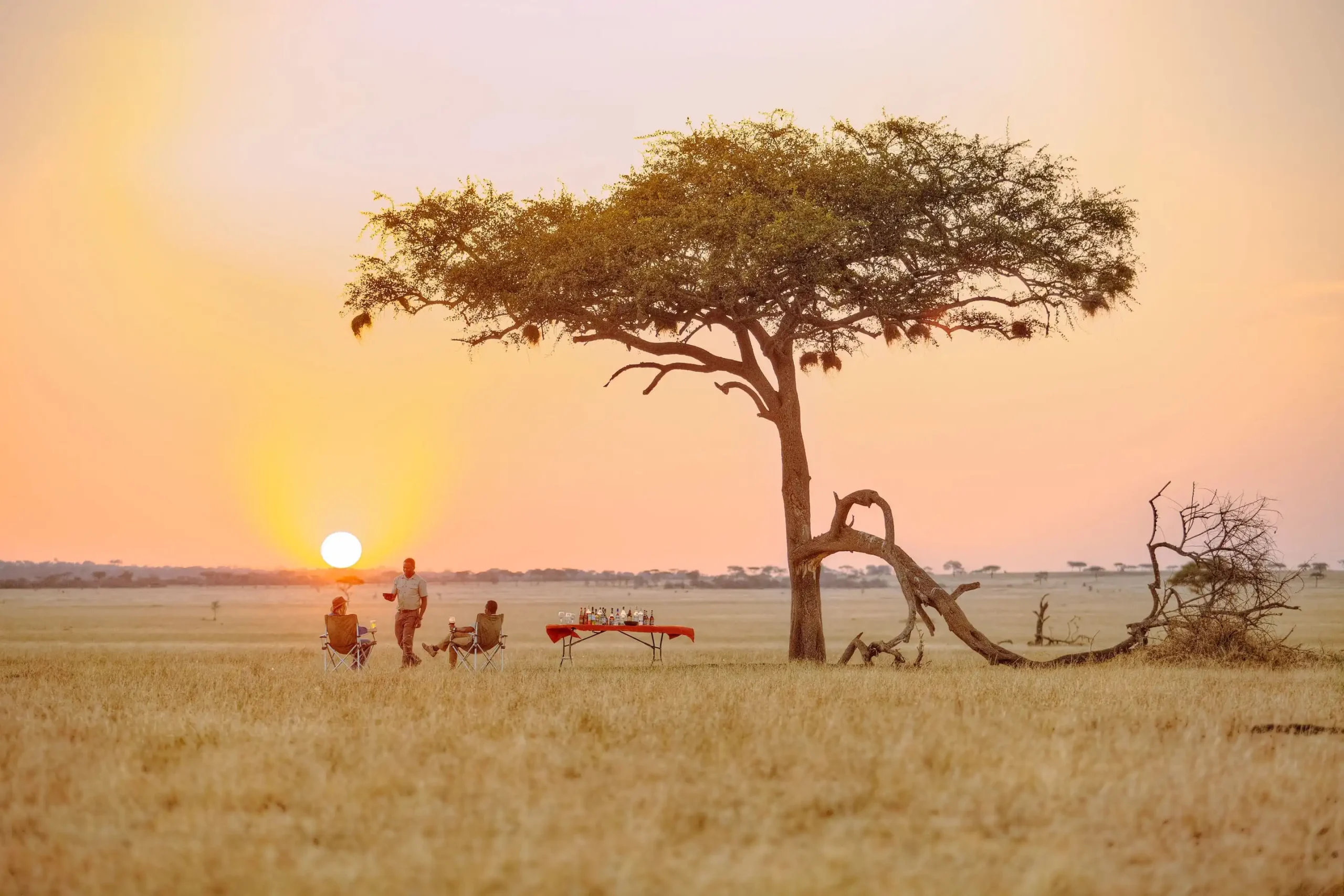
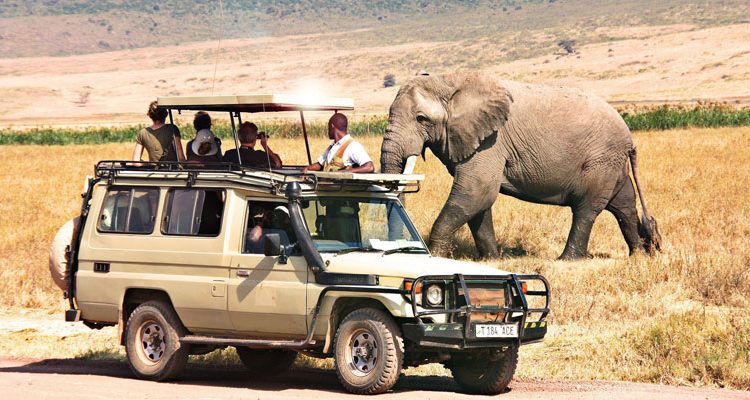
Tanzania safari Guide - elephant on a safari

Ultimate Tanzania Safari Guide (2026)

The Ultimate Tanzania Safari Guide

Everything You Need to Know Before Planning a Safari in Tanzania


Table of Contents


1. Planning a Safari in Tanzania

Planning a safari involves more than simply choosing a destination. Travelers must consider the best time to visit, how long to stay, which parks to include, and how different safari styles affect the overall experience. Booking your safari early is also extremely important, particularly if you want to travel during peak wildlife seasons when lodges and camps fill up months in advance. These expert guides will help you plan every detail of your safari. Helpful planning guides:

2. Quick Expert Answer

Many travelers researching safaris want a clear expert overview before diving into detailed planning advice. The summary below highlights the most important decisions when organizing a safari in Tanzania. What is the best way to plan a Tanzania safari? The best way to plan a safari is to start with three key decisions: choosing the right safari region, selecting the best travel season, and deciding the style of safari experience you want. A well-planned itinerary typically lasts between 6 and 10 days and allows you to explore two or three major parks. This Tanzania safari planning guide walks you through each of these decisions step by step so you can confidently design a safari that matches your travel goals, schedule, and budget.
Planning Decision Expert Recommendation
Safari Region Northern Circuit (Serengeti, Ngorongoro) for iconic wildlife, or Southern Circuit (Ruaha, Nyerere, Mikumi) for quieter wilderness safaris.
Best Travel Season June–October for peak wildlife viewing; January–March for calving season and excellent predator activity.
Ideal Safari Length 6–10 days for a well-balanced safari covering multiple parks.
Booking Timeline Book your safari 6–9 months in advance to secure the best lodges and migration viewing opportunities.

With proper planning, Tanzania offers one of the most extraordinary wildlife experiences on Earth — from witnessing the Great Migration in the Serengeti to exploring the vast wilderness of Southern Tanzania.


3. Tanzania Safari Destinations

Tanzania is home to some of Africa’s most famous national parks, each offering a unique safari experience. The northern safari circuit is known for iconic destinations like the Serengeti and Ngorongoro Crater, while the southern circuit offers wilder and more remote adventures in parks such as Ruaha and Nyerere. Southern Tanzania is particularly appealing for travelers seeking fewer crowds and more intimate wildlife encounters. Parks such as Ruaha National Park, Nyerere National Park, and Mikumi National Park provide spectacular wildlife viewing in vast landscapes that feel truly untamed. Learn more about Tanzania’s safari regions in these guides: You can also explore our individual park pages for destinations such as Serengeti, Ngorongoro, Tarangire, Ruaha, Nyerere, and Mikumi.

4. Wildlife and Seasonal Safari Experiences

Wildlife activity in Tanzania changes dramatically throughout the year. Rainfall patterns influence migration routes, predator behavior, and bird activity, which means the timing of your safari can shape the entire experience. Certain seasons offer extraordinary wildlife spectacles, including the Great Migration, the calving season in the Serengeti, and the bird-rich green season. Explore these wildlife guides to understand what to expect during different times of the year.

5. Choosing the Right Type of Safari

Not all safaris are the same. Travelers can choose between different safari styles depending on their interests, budget, and travel preferences. Some visitors prefer classic wildlife safaris focused on game drives, while others choose specialized experiences such as family safaris, romantic honeymoons, or luxury lodge stays. Understanding the different safari styles available can help you design a trip that perfectly matches your expectations. Explore these safari style guides:

6. Practical Safari Skills and Travel Knowledge

A safari adventure involves unique travel logistics that many first-time visitors may not expect. Understanding safari vehicles, photography techniques, and practical travel tips can greatly improve your overall experience. These guides cover practical aspects of safari travel to help you prepare for the journey.

7. Combining a Safari with Zanzibar

Many travelers choose to combine a wildlife safari with a relaxing beach holiday on the island of Zanzibar. This combination offers the best of both worlds: thrilling wildlife encounters followed by time to unwind along the Indian Ocean. Zanzibar extensions are especially popular for honeymooners, couples, and travelers seeking a balanced safari experience. These guides will help you plan the perfect safari-and-beach itinerary.

8. Safety and Travel Updates

Safety is one of the most common concerns for travelers planning a safari. Tanzania has long been one of Africa’s most stable and welcoming safari destinations, and millions of visitors travel safely to its national parks every year. However, it is always wise to stay informed about current travel conditions and safety considerations before planning your trip. These guides provide the latest travel updates and safety advice.

9. Why Tanzania Is One of Africa’s Greatest Safari Destinations

Few countries offer the sheer scale of wildlife experiences found in Tanzania. The nation’s protected areas cover vast landscapes, allowing wildlife to move freely across ecosystems that have remained largely unchanged for centuries. From the legendary plains of the Serengeti to the remote wilderness of Ruaha and the river systems of Nyerere National Park, Tanzania offers safari experiences that range from world-famous to wonderfully undiscovered. For travelers seeking an authentic African safari, Tanzania remains one of the most extraordinary destinations on the continent.

10. Tanzania Safari Decision Map

An Interactive Guide to Planning the Perfect Safari

Planning a safari in Tanzania involves several exciting decisions, from choosing the best time to travel to deciding whether to combine your wildlife adventure with a relaxing beach holiday in Zanzibar. This Safari Decision Map helps you navigate those choices step by step. Each stage links to detailed expert guides that explain the topic in depth, making it easier to design the perfect safari itinerary.

Step 1 — When Should You Travel? +

The timing of your safari influences wildlife viewing, weather conditions, migration events, and overall travel experience. Tanzania offers fantastic safaris throughout the year, but certain months are better suited for specific experiences. For example:
  • June–October: Prime wildlife viewing in the dry season
  • January–March: Great Migration calving season
  • November–May: Lush landscapes and excellent birdwatching
Explore our detailed seasonal guides:

Step 2 — Which Safari Region Is Right for You? +

Tanzania offers two primary safari regions, each with its own character and landscapes. The Northern Circuit is home to famous parks like the Serengeti and Ngorongoro Crater, while the Southern Circuit offers vast, remote wilderness areas with fewer crowds and exceptional wildlife encounters. Southern Tanzania includes incredible parks such as:
  • Ruaha National Park
  • Nyerere National Park
  • Mikumi National Park
Learn more about each region:

Step 3 — What Wildlife Experience Are You Dreaming Of? +

Many travelers visit Tanzania hoping to witness one of the world’s greatest wildlife spectacles: the Great Migration. This extraordinary movement of over 1.5 million wildebeest, accompanied by zebras and gazelles, unfolds across the Serengeti ecosystem throughout the year. Learn when and where to see it: If you are passionate about nature and wildlife photography, you may also enjoy specialized safari experiences.

Step 4 — What Type of Safari Experience Fits Your Travel Style? +

Every safari is unique, and choosing the right safari style ensures the experience matches your expectations. Tanzania offers many different safari styles including:
  • Classic game drive safaris
  • Walking safaris
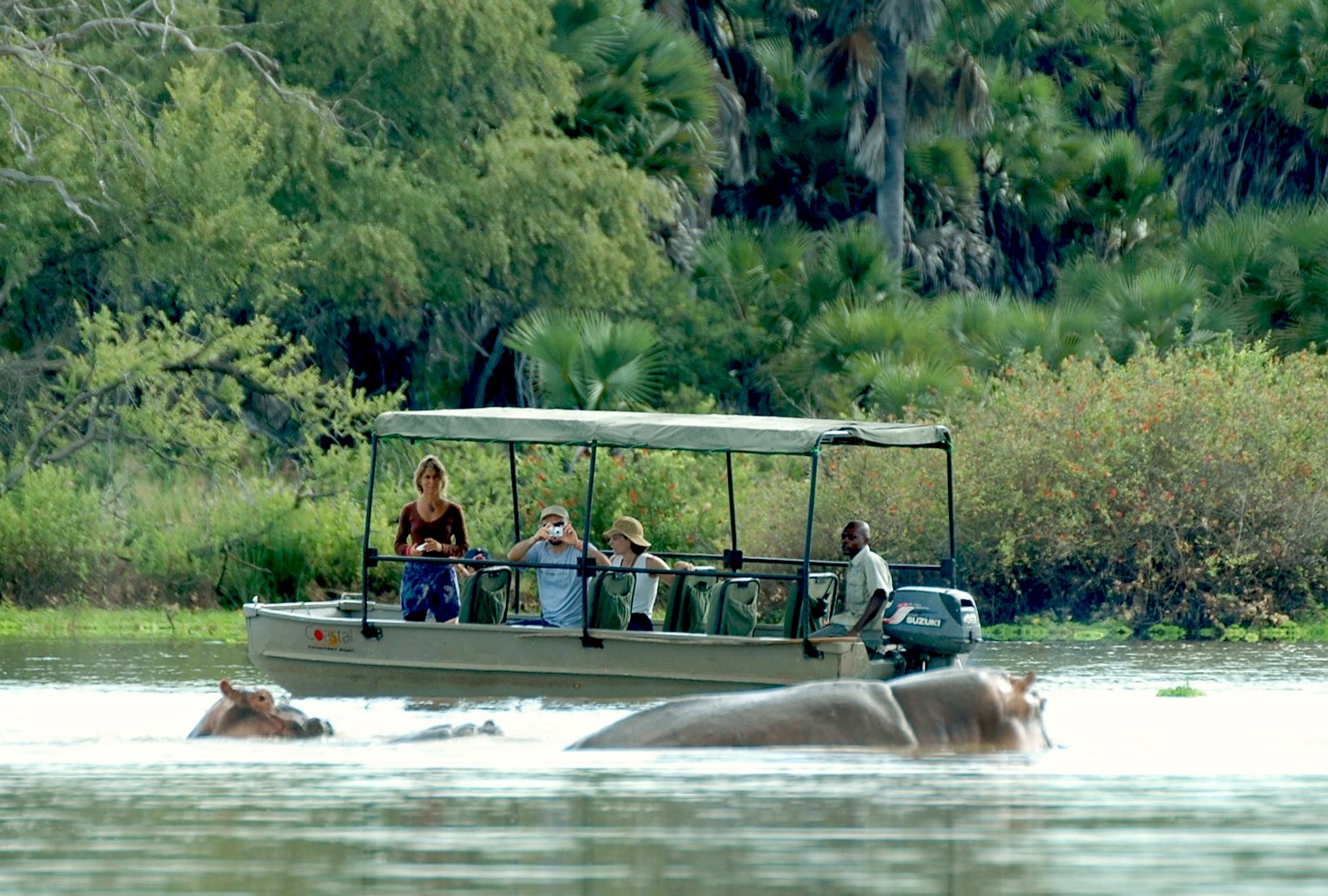
  • Boat safaris in river systems
  • Private luxury safaris
  • Family-friendly adventures
Explore the different options:

Step 5 — Who Are You Traveling With? +

Your travel companions can also influence the type of safari you choose. For example:
  • Families often look for lodges with flexible activities and shorter travel times.
  • Couples may prefer romantic lodges and secluded safari camps.
  • Honeymooners frequently combine safaris with Zanzibar beach escapes.
Our guides help you choose the best options:

Step 6 — Understand Safari Logistics and Practical Planning +

Planning a smooth safari experience involves understanding logistics such as transportation, packing, and costs. Internal flights between parks, luggage limits on small aircraft, and the right safari vehicles all contribute to a comfortable journey. Our practical guides explain these details:

Step 7 — Should You Combine Safari with Zanzibar? +

Many travelers choose to end their safari with a relaxing beach holiday on the Indian Ocean island of Zanzibar. This combination offers the perfect balance of adventure and relaxation. Discover how to plan the ideal safari-and-beach itinerary:

Step 8 — Ready to Design Your Safari? +

Once you have explored the guides above, you will have a clear understanding of the most important decisions involved in planning a Tanzania safari. From selecting the best travel season and safari region to choosing your preferred style of safari and optional Zanzibar extension, each step brings you closer to designing your perfect itinerary. If you are ready to begin planning your safari adventure, our team at Twombili Tours would be delighted to help you craft a personalized journey tailored to your travel style, schedule, and budget.

11. Tanzania Safari Knowledge Index

Essential Safari Knowledge for First-Time Travelers

Before diving deeper into planning your trip, it helps to understand some of the key concepts that define a safari in Tanzania. Below is a quick expert knowledge index answering some of the most searched questions about planning a safari in Tanzania. These concise answers help travelers quickly understand key safari concepts while also linking to our in-depth expert guides for deeper insights. This section is designed to help travelers navigate important safari decisions quickly while also connecting them to detailed guides that explore each topic fully.

What Is a Safari? +

A safari is a guided wildlife journey through protected natural areas where travelers observe animals in their natural habitat. In Tanzania, safaris usually take place inside national parks and wildlife reserves using specially designed 4×4 safari vehicles led by professional guides. Game drives are the most common safari activity, allowing visitors to explore vast landscapes while searching for wildlife such as lions, elephants, giraffes, and many other species.

Why Is Tanzania Famous for Safaris? +

Tanzania is widely considered one of the greatest safari destinations in the world because of its vast protected areas and extraordinary wildlife populations. The country is home to iconic destinations such as the Serengeti, Ngorongoro Crater, Ruaha National Park, Nyerere National Park, and Mikumi National Park. These ecosystems support enormous numbers of animals and some of the most dramatic wildlife events on Earth.

What Animals Can You See on a Tanzania Safari? +

Tanzania is one of the most wildlife-rich safari destinations in Africa. Common sightings include:
  • Lions
  • Leopards
  • Elephants
  • Buffalo
  • Giraffes
  • Zebras
  • Wildebeest
  • Hippos
  • Crocodiles
In many areas, travelers also have excellent chances to see the Big Five.

What Are the Big Five? +

The “Big Five” refers to five iconic African animals historically considered the most difficult animals to hunt on foot. These animals are:
  • Lion
  • Leopard
  • Elephant
  • Buffalo
  • Rhinoceros
Today the term is used by safari travelers to describe the five most famous animals people hope to see during a wildlife safari.

What Is the Great Migration? +

The Great Migration is the largest land-animal movement on Earth. Every year over 1.5 million wildebeest, along with zebras and gazelles, move through the Serengeti ecosystem following seasonal rains and fresh grazing. One of the most dramatic moments occurs when herds cross crocodile-filled rivers. 👉 Read the full guide: Great Migration Tanzania 2026: When & Where to See Wildebeest

What Is a Game Drive? +

A game drive is the main activity during most safaris. Travelers explore national parks in specially designed safari vehicles while searching for wildlife. Game drives typically take place:
  • Early in the morning
  • Late in the afternoon
  • Occasionally as full-day excursions
These times coincide with the hours when wildlife is most active.

How Long Should a Tanzania Safari Be? +

Most Tanzania safaris last between 5 and 10 days, depending on how many parks travelers wish to visit. Typical safari lengths include: Safari Length — Experience
  • 3–4 days — Short safari experience
  • 5–7 days — Classic safari covering several parks
  • 8–10 days — Comprehensive safari adventure
  • 10+ days — Extended safari combined with Zanzibar

Should I Choose Northern or Southern Tanzania for Safari? +

Both safari regions offer incredible wildlife experiences but differ in atmosphere. Northern Circuit — Famous parks like Serengeti & Ngorongoro Southern Circuit — Wild, remote, fewer crowds Southern parks like Nyerere National Park, Ruaha National Park, and Mikumi National Park offer exceptional wildlife viewing with a more exclusive safari feel. 👉 Full comparison: Northern vs Southern Tanzania Safaris:Which One Is Right for You?

What Is the Best Time to Go on a Tanzania Safari? +

The best time for a Tanzania safari generally depends on the type of wildlife experience you want. The dry season (June to October) offers the most reliable wildlife viewing as animals gather around water sources and vegetation becomes thinner. However, the green season (November to May) provides beautiful landscapes, excellent birdlife, fewer crowds, and fantastic photography opportunities. 👉 For a detailed breakdown see our guide: Best Time to Visit Southern Tanzania Safaris (2026)

How Much Does a Tanzania Safari Cost? +

Safari costs vary widely depending on accommodation level, park fees, group size, and season. Typical price ranges per person per day:
  • Budget Safari — $250 – $400
  • Mid-Range Safari — $450 – $700
  • Luxury Safari — $800 – $1500+
👉 Full breakdown available here: Tanzania Safari Cost Guide 2026

How Far in Advance Should I Book a Tanzania Safari? +

For the best lodge availability and internal flight connections, it is recommended to book your safari 6–12 months in advance, especially if traveling during peak seasons such as:
  • The Great Migration river crossings (July–September)
  • Christmas & New Year holidays
  • Summer travel months (June–August)
👉 Learn more in: Best Time to Book Your Safari in Tanzania

Can I Combine a Safari with Zanzibar? +

Yes — combining a safari with a Zanzibar beach holiday is one of the most popular travel experiences in East Africa. After several days of wildlife viewing, many travelers relax on Zanzibar’s white-sand beaches or explore its historic Stone Town. 👉 See our guide: How to Combine a Safari and Beach Holiday in Tanzania

What Camera Should I Bring on Safari? +

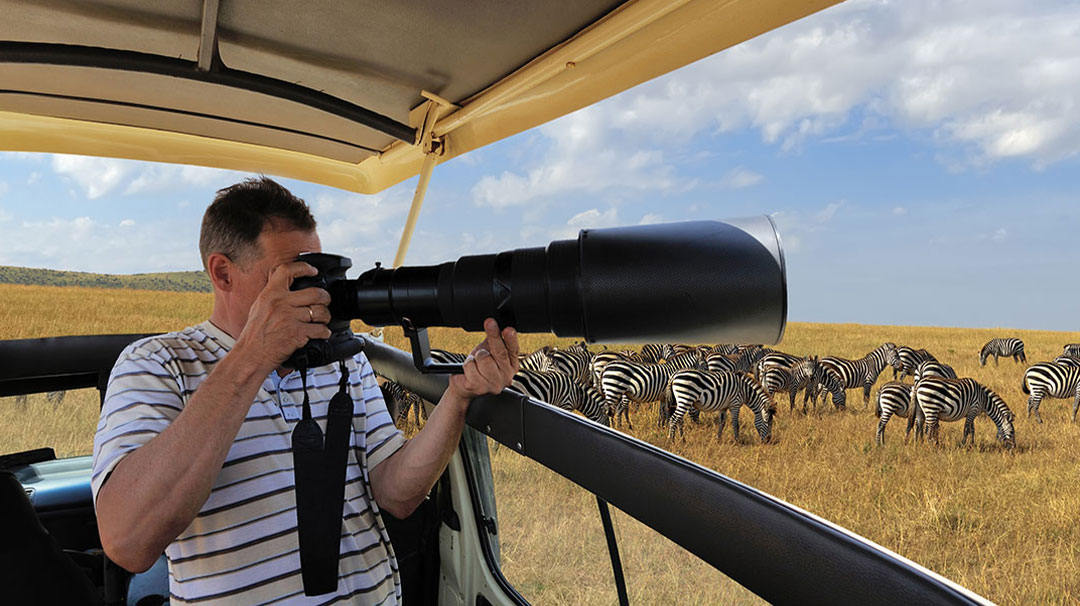
A camera with a zoom lens (200–400mm) is ideal for wildlife photography. Other useful gear includes:
  • Spare batteries
  • Extra memory cards
  • Dust protection
  • Bean bag support for vehicle photography
👉 Full photography guide: Tanzania Safari Photography Guide

What Should I Pack for a Tanzania Safari? +

Packing smartly makes a safari much more comfortable. Essentials include:
  • Neutral-colored clothing
  • Comfortable walking shoes
  • Sun protection
  • Binoculars
  • Camera equipment
👉 Detailed checklist: What to Pack for a Tanzania Safari

Are Safaris in Tanzania Safe? +

Tanzania is considered one of the safest and most stable safari destinations in Africa. Professional safari guides, regulated national parks, and well-established tourism infrastructure ensure that travelers can explore wildlife areas safely while following responsible safari practices. 👉 Latest update: Is Tanzania Safe to Visit Now?

12. Tanzania Safari Planning Timeline

How to Plan Your Perfect Safari – Step by Step

Months Before Travel Key Actions Guides & Resources
12+ Months
  • Decide on the safari region (Northern vs Southern)
  • Determine your travel season based on wildlife events
  • Research safari styles (budget, mid-range, luxury)
9–12 Months
  • Research lodges and camps
  • Book accommodations for high season
  • Consider combining with Zanzibar
6–9 Months
  • Book international flights
  • Plan internal flights to parks
  • Apply for visas if needed
4–6 Months
  • Arrange safari operators and itineraries
  • Confirm safari vehicles and guides
  • Check vaccination and health requirements
2–4 Months
  • Confirm lodge & camp bookings
  • Finalize flight details
  • Research optional activities and excursions
1–2 Months
  • Pack according to safari essentials
  • Confirm luggage restrictions
  • Prepare photography gear
1–4 Weeks
  • Review itinerary
  • Check weather forecasts
  • Prepare travel insurance & documents
1 Week
  • Reconfirm all bookings
  • Print / save digital copies of itineraries
  • Make final payments if needed
Day of Travel
  • Arrive at airport on time
  • Bring essentials and documents
  • Begin your safari adventure!

Ready to Start Planning Your Tanzania Safari?

Designing the perfect safari involves choosing the right parks, travel season, accommodations, and experiences. Our safari specialists can help you plan a personalized itinerary based on your travel dates, interests, and preferred level of comfort. Start Planning Your Safari Today

13. Sample Tanzania Safari Itineraries

Every safari in Tanzania can be customized, but sample itineraries help travelers understand how different parks, travel times, and safari styles fit together.

Most safaris last between 5 and 10 days, allowing visitors to explore several national parks while keeping travel distances comfortable. Some itineraries focus on the famous Northern Safari Circuit, while others explore the quieter wilderness of Southern Tanzania or combine wildlife adventures with a relaxing beach holiday in Zanzibar.

Below are several popular itinerary ideas based on different travel styles and safari experiences:

Each itinerary can be customized based on travel dates, preferred safari style, and the parks you most want to experience.


14. Frequently Asked Questions About Planning a Tanzania Safari

1. Do I Need a Visa? +
Most international travelers do; an e-visa or visa on arrival is available. Check the requirements based on your nationality before traveling.
2. What Vaccinations Are Recommended? +
Consult a travel clinic before your trip. Routine vaccinations and malaria prevention are commonly recommended for travel to Tanzania.
3. Are Safaris Safe for Families? +
Yes. Many safari lodges and destinations are family-friendly, though some activities such as walking safaris may have minimum age requirements.
4. Will I See the Big Five? +
Wildlife sightings can never be guaranteed, but Tanzania offers excellent opportunities to see the Big Five, especially in Serengeti National Park and the Ngorongoro Crater.
5. Best Airports for Safari Start? +
Northern Circuit: Arusha Airport or Kilimanjaro International AirportSouthern Circuit: Dar es Salaam with internal safari flights to national parks.
6. Can I Combine Safari with Zanzibar? +
Yes. Many travelers choose to finish their safari with a Zanzibar beach holiday, combining wildlife experiences with time on the Indian Ocean.
7. How Far in Advance Should I Book? +
Booking 6–12 months in advance is recommended, especially if traveling during peak safari seasons or if you want specific lodges.

15. Final Thoughts

A Tanzania safari is more than just a holiday — it is an immersive journey into some of the most extraordinary wildlife landscapes on Earth.

From the endless plains of the Serengeti and the dramatic Ngorongoro Crater to the remote wilderness of Ruaha and Nyerere, Tanzania offers remarkable safari experiences for every type of traveler. Whether you dream of witnessing the Great Migration, photographing Africa’s iconic predators, or exploring quieter parks far from the crowds, careful planning ensures your safari matches your expectations and travel style.

By understanding the best travel seasons, choosing the right safari region, and selecting the experiences that interest you most, you can design a safari that becomes a truly unforgettable adventure.


16. Plan Your Tanzania Safari

If you are ready to begin planning your journey, our team at Twombili Tours is here to help.

As a Tanzania-based safari company, we specialize in designing personalized itineraries that match your travel style, schedule, and budget. Whether you are planning your first safari, a family adventure, a photography trip, or a safari combined with Zanzibar, we can help you create the perfect itinerary.

Our safari specialists will guide you through every step of the planning process — from choosing the best parks and travel season to selecting lodges and organizing internal flights.

Start planning your safari adventure today and discover the incredible wildlife and landscapes that make Tanzania one of Africa’s greatest safari destinations.


17. About This Guide (Experience & Expertise)

This guide was created by the team at Twombili Tours, a Tanzania-based safari company with extensive experience designing wildlife journeys across the country’s most important national parks.

Our team works directly with local guides, safari lodges, and conservation areas throughout Tanzania. This on-the-ground experience allows us to provide accurate, practical advice on planning safaris, choosing destinations, and understanding wildlife seasons such as the Great Migration.

The information in this guide is regularly updated to reflect current travel conditions, safari logistics, and seasonal wildlife patterns. Our goal is to help travelers make informed decisions and plan unforgettable safari experiences while supporting responsible tourism and conservation in Tanzania.
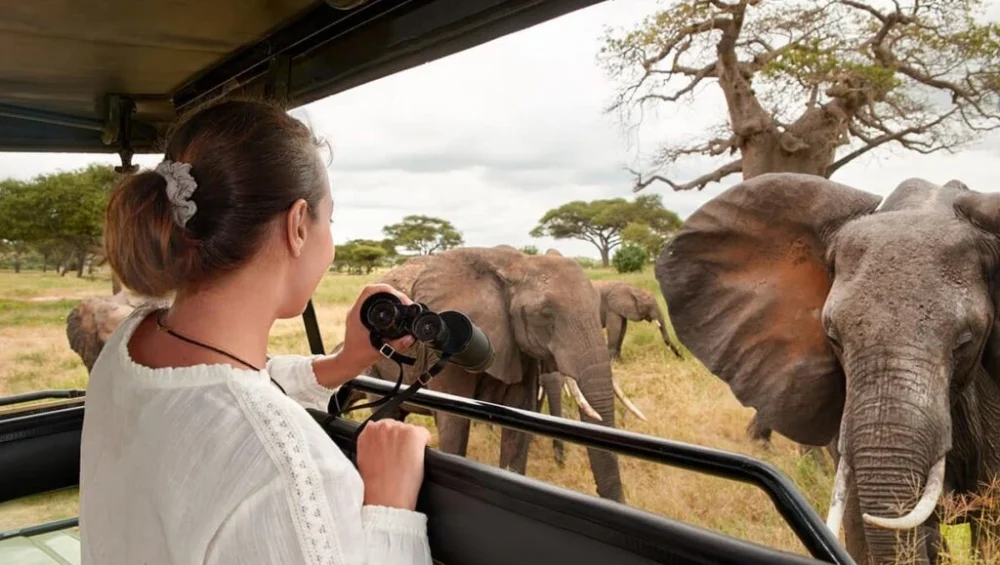
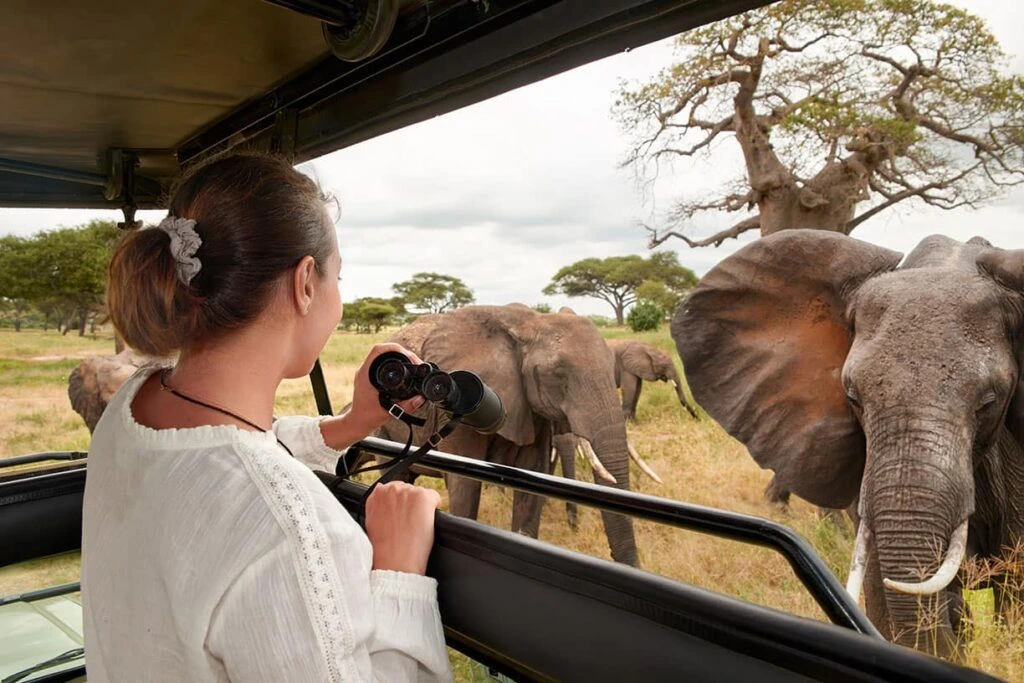
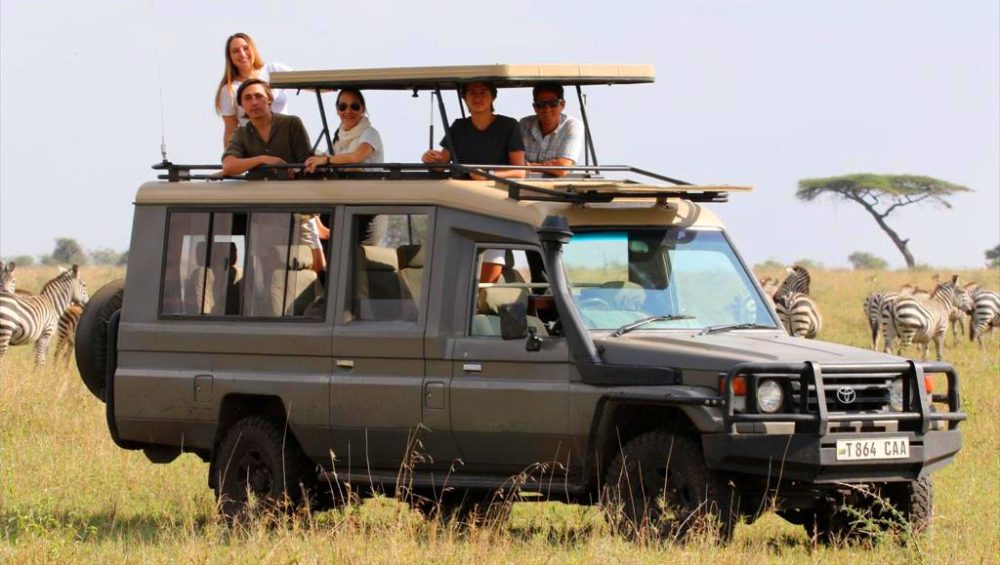
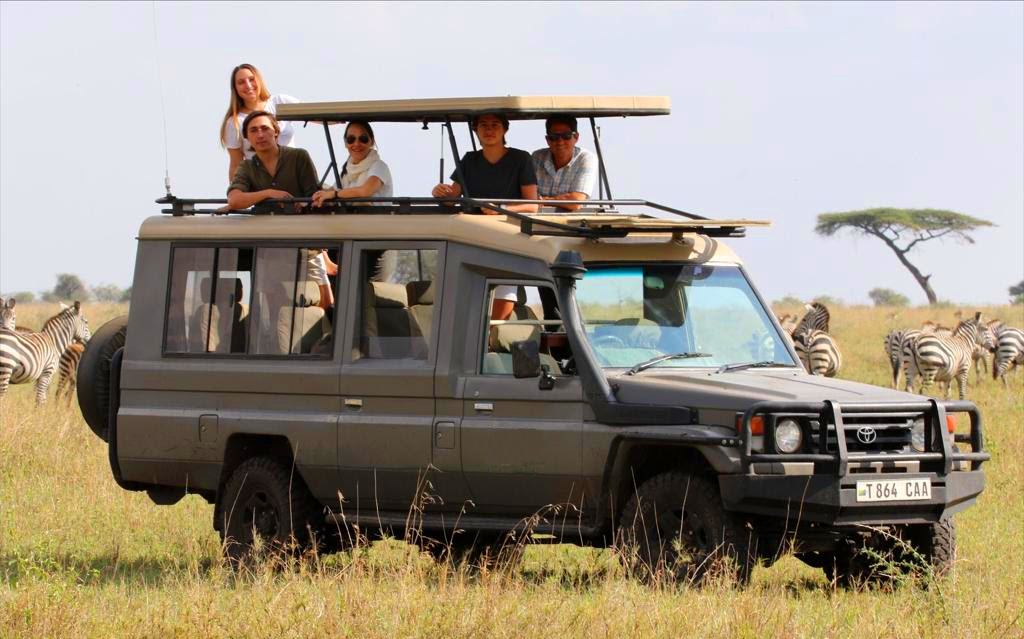
a tourist on a safari - Tanzania safari planning guide.

Ultimate Tanzania Safari Planning Guide (2026)

Ultimate Tanzania Safari Planning Guide (2026)

When, Where & How to Plan Your Perfect Safari in Tanzania — Expert Tips, Costs, Itineraries & Booking Strategies.

1. Overview

Planning a safari is one of the most exciting travel experiences in the world, but it can also feel overwhelming if you are visiting Africa for the first time. Tanzania is home to some of the planet’s most extraordinary wildlife destinations, vast wilderness areas, and iconic landscapes. From the endless plains of Serengeti National Park to the dramatic volcanic landscape of the Ngorongoro Crater, Tanzania offers some of the best wildlife viewing anywhere in Africa. This Tanzania safari planning guide explains everything you need to know before booking your trip — including the best time to travel, safari costs, how long to stay, which parks to visit, and how to design the perfect itinerary. Whether you dream of witnessing the Great Migration, photographing lions on the savannah, or combining your safari with a beach escape on the Indian Ocean, careful planning ensures your safari is unforgettable.

2. Quick Expert Answer

Many travelers searching online simply want a clear expert answer before diving deeper into the details. The summary below explains the most important elements of planning a successful safari in Tanzania. What is the best way to plan a Tanzania safari? The best way to plan a Tanzania safari is to choose the right safari circuit, travel during the dry season between June and October for the best wildlife viewing, stay at least 6–10 days to explore multiple parks, and book your safari 6–9 months in advance to secure the best lodges and guides. Tanzania offers three main safari circuits — Northern, Southern, and Western — each offering different landscapes, wildlife density, and levels of exclusivity.

3. Quick Safari Planning Reference

Planning a safari involves many decisions. The table below summarizes the most important planning considerations for travelers.
Planning Topic Expert Recommendation
Best time to visit June – October (dry season)
Ideal safari length 6–10 days
Best circuits Northern or Southern
Budget range $250 – $1500+ per person/day
Booking timeline 6–9 months in advance
Best wildlife park Serengeti National Park

4. Why Choose Tanzania for a Safari

Tanzania is widely considered one of the greatest safari destinations on Earth. The country contains some of Africa’s largest protected wildlife areas and hosts extraordinary biodiversity. A few reasons why Tanzania stands out include:
  • The Great Migration — the largest wildlife movement on Earth
  • Massive national parks with minimal development
  • Incredible predator populations
  • Diverse ecosystems ranging from savannah to rainforest
  • Opportunities to combine safari with beaches and mountains
Many of Tanzania’s parks are also significantly larger and wilder than safari areas in other countries. Parks such as Ruaha National Park and Nyerere National Park provide vast wilderness experiences with very few vehicles. For travelers seeking authentic wildlife experiences rather than crowded game drives, Tanzania remains one of Africa’s best safari destinations.

5. Tanzania Safari Circuits Explained

Understanding Tanzania’s safari circuits is one of the most important steps in planning your safari. Each circuit offers a completely different style of safari experience, from world-famous wildlife plains to remote wilderness regions rarely visited by tourists.

Northern Safari Circuit

The Northern Circuit is Tanzania’s most famous safari route. Major parks include: This region offers exceptional wildlife density and is the best place to witness the Great Migration. Because of its accessibility and iconic parks, it is the most popular circuit for first-time safari travelers.

Southern Safari Circuit

Southern Tanzania offers a much more remote and exclusive safari experience. Key destinations include:
  • Nyerere National Park
  • Ruaha National Park
These parks are enormous and far less crowded than northern parks. Ruaha in particular is famous for its massive lion prides and high predator density.

Western Safari Circuit

The Western Circuit is Tanzania’s most remote safari region. Major parks include:
  • Mahale Mountains National Park
  • Gombe Stream National Park
These parks are famous for chimpanzee trekking rather than traditional safari.

6. Northern vs Southern Safari Comparison

Many travelers struggle to decide whether they should visit the Northern Circuit or explore the more remote parks of Southern Tanzania. Both offer exceptional wildlife experiences but differ significantly in atmosphere, landscapes, and travel style.
Feature Northern Tanzania Southern Tanzania
Famous parks Serengeti, Ngorongoro, Tarangire Ruaha, Nyerere
Wildlife density Extremely high High but more spread out
Crowds Moderate to busy in peak season Very low
Safari style Classic first safari Remote wilderness
Travel logistics Easier access More remote

7. Best Time to Visit Tanzania

Tanzania is a year-round safari destination, but the wildlife experience changes depending on the season.
Season Months Wildlife Viewing Landscape
Dry Season Jun – Oct Excellent Dusty, sparse vegetation
Short Rains Nov – Dec Good Green landscapes
Green Season Jan – Mar Very good Lush scenery
Long Rains Apr – May Limited travel Very green
During the dry season, animals gather around water sources, making wildlife easier to spot.

8. Wildlife Viewing Calendar (Month-by-Month)

Wildlife experiences in Tanzania change throughout the year depending on rainfall, animal migration patterns, and vegetation levels. The table below provides a quick month-by-month overview of the best wildlife moments across Tanzania’s safari parks. Understanding these patterns helps travelers plan their safari around specific wildlife events.
Month Wildlife Highlights
January Migration calving season begins in southern Serengeti
February Peak calving season and intense predator activity
March Lush green landscapes and excellent photography
April River crossings in northern Serengeti
May Migration begins moving north across Serengeti
June Dry season begins and wildlife gathers near water
July First river crossings in northern Serengeti
August Peak migration river crossings
September Excellent predator sightings
October Dry season wildlife concentrations
November Short rains bring beautiful green scenery
December Migration herds return toward southern Serengeti

9. Wildlife Behavior and Seasonal Patterns

Wildlife behavior changes dramatically with the seasons. Understanding these patterns helps travelers choose the best time to visit and increases the chances of seeing dramatic wildlife encounters.

Elephant Movements

In Tarangire National Park, elephants gather in enormous herds during the dry season when the Tarangire River becomes the only reliable water source in the region. Some herds exceed 300 elephants, making Tarangire one of the best places in Africa to observe elephant behavior.

Predator Activity

Predators such as lions and leopards are easier to spot in the dry season because vegetation becomes thinner and prey animals concentrate near water.

Great Migration

The famous wildebeest migration moves through the Serengeti ecosystem year-round in search of fresh grazing. The most dramatic river crossings occur between July and October.

Great Migration Month-by-Month

The Great Migration is one of the most extraordinary wildlife spectacles on Earth. More than two million wildebeest, zebras, and gazelles move across the Serengeti ecosystem each year following fresh grass and rainfall. Understanding the migration cycle helps travelers choose the best time to visit.
      • January – February: Calving season in southern Serengeti plains
      • March – May: Herds begin moving northwest
      • June: Migration reaches western Serengeti
      • July – October: Famous Mara River crossings in northern Serengeti
      • November – December: Herds begin returning south
For a complete migration calendar and expert travel advice, see our detailed guide:

10. Park Deep Dive

Serengeti National Park

Serengeti National Park is arguably the most famous wildlife reserve in the world. The Serengeti ecosystem supports:
      • over 2 million wildebeest
      • thousands of lions
      • massive predator populations
The park’s endless plains create one of Africa’s most iconic landscapes.

Ngorongoro Crater

The Ngorongoro Crater is the world’s largest intact volcanic caldera. It contains one of the highest densities of wildlife in Africa. Visitors can often see the Big Five in a single day.

Tarangire National Park

Tarangire National Park is famous for its giant baobab trees and massive elephant herds. The park becomes especially dramatic during the dry season when animals migrate into the Tarangire River valley.

Ruaha National Park

Ruaha National Park is Tanzania’s largest national park. It is known for:
      • huge lion prides
      • wild landscapes
      • very few safari vehicles

Nyerere National Park

Nyerere National Park offers unique safari experiences such as boat safaris on the Rufiji River.
Traveler on safari in Tanzania – Tanzania safari planning guide showing the importance of planning and booking early

A traveler on safari. Planning and booking a safari in advance ensure early preparations, which guarantees a great and fulfilling experience.

11. How Long Should Your Safari Be?

Choosing the right safari duration is important for balancing travel time, wildlife viewing, and relaxation.
Safari Length Experience
3–4 days Short introductory safari
5–7 days Classic safari experience
8–10 days Explore multiple regions
10–14 days Complete Tanzania adventure

12. Tanzania Safari Costs Explained

Safari prices vary significantly depending on accommodation level and travel style.
Safari Type Price Range (per person/day)
Budget $200 – $350
Mid-range $350 – $700
Luxury $700 – $1500+
Costs typically include:
      • park fees
      • guide services
      • accommodation
      • game drives
      • meals

13. What a Safari Experience Is Really Like

Many first-time travelers wonder what a typical safari day looks like. Safari days follow the natural rhythm of wildlife activity.
      • Early morning game drive
      • Breakfast at camp
      • Midday relaxation
      • Afternoon game drive
      • Sunset sundowners
Evenings often end around a campfire under the African sky.

14. First-Time Safari Advice

Travelers visiting Africa for the first time are often surprised by a few aspects of the safari experience.
      • Early mornings are essential for wildlife viewing
      • Animals are most active at dawn and dusk
      • Distances between parks can be large
      • Patience is part of the safari experience

15. Common Safari Planning Mistakes

Avoiding these mistakes can dramatically improve your safari experience.
      • Booking too late for peak season
      • Trying to visit too many parks
      • Underestimating travel distances
      • Not staying long enough in each park

16. Safari Planning Timeline

Planning a safari well in advance is extremely important, especially if you want to travel during peak wildlife seasons such as the Great Migration or the dry season between June and October. The best safari lodges often book out six to twelve months in advance, particularly in the Serengeti and Ngorongoro regions.
Timeline Planning Step
12 months Research safari destinations
9 months Book safari operator
6 months Book international flights
3 months Prepare travel documents
1 month Final packing

17. What to Pack for a Tanzania Safari

Packing correctly makes your safari much more comfortable. Internal safari flights in Tanzania usually have strict luggage limits, often around 15kg including carry-on bags, so soft duffel bags are usually recommended. Essential Safari Items
      • Neutral colored clothing
      • Hat and sunglasses
      • Camera with zoom lens
      • Binoculars
      • Sunscreen
      • Insect repellent
For a complete packing checklist, see our guide: What to Pack for a Tanzania Safari

18. Tanzania Safari Photography Tips

Many travelers visit Tanzania specifically to photograph wildlife. The country’s vast landscapes and abundant wildlife create incredible opportunities for photographers of all levels. Good safari photography often depends on lighting conditions, patience, and understanding animal behavior.

For a complete guide to equipment, camera settings, and photography techniques,see our guide : Tanzania Safari Photography Guide

19. Beach Extensions After Your Safari

Many travelers combine their safari with a relaxing beach escape. These islands offer white sand beaches, coral reefs, and world-class diving.

20. You Might Also Find These Helpful

Our famous Sample Itineraries: Other helpful guides:

21. Tanzania Safari Planning Guide FAQs

1. What is the best month to visit Tanzania for safari? +
The best wildlife viewing occurs during the dry season between June and October.
2. Is Tanzania safe for safari travel? +
Yes. Tanzania is considered one of Africa’s safest safari destinations when traveling with reputable operators.
3. How much does a Tanzania safari cost? +
Prices typically range between $350 and $1500 per person per day depending on accommodation level.
4. How far in advance should I book a safari? +
Ideally 6–9 months in advance, especially for peak migration season.
5. Can I see the Big Five in Tanzania? +
Yes. Tanzania is one of the best places in Africa to see lions, elephants, buffalo, leopards, and rhinos.
6. Do I need a visa for Tanzania? +
Most travelers require a tourist visa which can be obtained online or on arrival.
7. Is the Great Migration visible year-round? +
Yes. The migration moves continuously through the Serengeti ecosystem.
8. Can I combine safari with a beach holiday? +
Yes. Many travelers combine safari with Zanzibar or other Indian Ocean islands.

22. Final Thoughts

Planning a safari in Tanzania is an extraordinary journey that combines wildlife, landscapes, culture, and adventure in ways few destinations can match. From the iconic plains of the Serengeti to the remote wilderness of southern Tanzania, every safari experience is unique. With proper planning, travelers can witness incredible wildlife events such as the Great Migration, explore diverse national parks, and finish their adventure with a relaxing beach escape on the Indian Ocean. Understanding the best time to visit, choosing the right safari circuit, and booking early are the keys to designing a truly unforgettable safari.

23. Plan Your Tanzania Safari

Planning the perfect safari requires experience, local knowledge, and careful timing. The team at Twombili Tours specializes in designing tailor-made safaris across Tanzania’s most spectacular wildlife destinations. Whether you want to witness the Great Migration in the Serengeti, explore the wild landscapes of southern Tanzania, or combine safari with a beach escape, we can help you design the perfect journey.
best time to book your safari in Tanzania

Best Time To Book Your Safari in Tanzania

Best Time To Book Your Safari in Tanzania

Timing Is Everything

Knowing the best time to book your safari in Tanzania can make the difference between securing your dream lodge and missing out entirely. Tanzania is one of Africa’s most sought-after safari destinations. From the plains of the Serengeti to the remote beauty of Ruaha and Nyerere, availability fills quickly — especially for premium camps and peak migration months. Booking smart isn’t just about dates. It’s about strategy. This guide explains:
  • How far in advance to book
  • When prices increase
  • When lodges sell out
  • How to secure the best experience for your budget
best time to book your safari in Tanzania

1. Understanding Tanzania’s Booking Seasons

Peak Season (June – October)

This is Tanzania’s dry season and the most popular time for safaris. Why it fills early:
  • Excellent wildlife viewing
  • Great Migration river crossings (Serengeti)
  • Ideal weather
  • International summer holidays
📅 Recommended Booking Window: 9–12 months in advance Luxury lodges in Serengeti, Ruaha, and Ngorongoro often sell out nearly a year ahead. If you’re planning a honeymoon, private safari, or migration-focused trip, early booking is essential.

Shoulder Season (January – March)

This period includes calving season in southern Serengeti. Why it’s popular:
  • Predator activity
  • Fewer crowds
  • Beautiful green landscapes
  • Slightly lower rates than peak season
📅 Recommended Booking Window: 6–9 months in advance Availability is better than peak season but top camps still fill quickly.

Green Season (April – May, November)

This is Tanzania’s quieter period. Benefits:
  • Lower lodge rates
  • Fewer vehicles
  • Dramatic skies for photography
  • Excellent birding
📅 Recommended Booking Window: 3–6 months in advance You’ll have more flexibility, especially for mid-range safaris.

2. How Safari Type Affects When You Should Book

Luxury Safaris

If you’re planning a high-end itinerary:
  • Private guides
  • Exclusive camps
  • Fly-in connections
  • Honeymoon suites
You should book 9–12 months ahead, regardless of season. Luxury properties often have only 8–12 tents. Once they’re full, they’re full.

Mid-Range Safaris

Mid-range safaris offer more availability, especially outside peak months. Booking window recommendation:
  • Peak season: 6–9 months ahead
  • Shoulder season: 4–6 months
  • Green season: 2–4 months
However, family rooms and interconnected tents still sell early.

3. When Prices Increase

Understanding pricing trends helps you lock in value. 📈 Annual Rate Increases Most lodges adjust rates yearly (often announced 6–12 months in advance). Booking early may:
  • Secure current-year pricing
  • Protect against currency fluctuations
  • Lock in promotional offers
✈️ Flight Pricing Strategy International flights to Tanzania:
  • Rise significantly 4–5 months before departure
  • Spike during July–August and December holidays
Combining early safari booking with flight planning creates savings and smoother logistics.

4. The Migration Factor

If your safari revolves around the Great Migration in the Serengeti, timing becomes critical.
  • River Crossings (July–September): Book 12 months ahead
  • Calving Season (January–February): Book 8–10 months ahead
Mobile migration camps move seasonally — but availability remains limited.

5. Special Situations That Require Early Booking

You should book as early as possible if:
  • You are traveling during school holidays
  • You want a specific iconic lodge
  • You need family units
  • You are planning a wedding or honeymoon safari
  • You want a private guide and vehicle
  • You are combining Zanzibar with safari
These trips require coordination across multiple properties and transfers.

6. Can You Book Last-Minute?

Yes — but with flexibility. Last-minute safaris (within 2–3 months) work best if:
  • You are flexible on parks
  • You are open to available lodges
  • You are traveling during green season
  • You are booking mid-range
Luxury and migration-specific itineraries are rarely available short notice.

7. Twombili Tip

The smartest travelers reserve early and adjust later if needed. Most reputable safari operators can:
  • Modify dates (within availability)
  • Upgrade or downgrade accommodations
  • Add fly-in segments later
Securing space first gives you control.

8. Summary: Best Time To Book Your Safari in Tanzania

Travel Period Ideal Booking Window
Peak Season (Jun–Oct) 9–12 months ahead
Shoulder (Jan–Mar) 6–9 months ahead
Green Season 3–6 months ahead
Migration Focused 8–12 months ahead
Luxury Safari 9–12 months minimum

The best time to book your safari in Tanzania depends on your travel style, season, and flexibility — but earlier almost always means better choice and smoother planning.

You Might Also Find These Helpful

9. Frequently Asked Questions (FAQs)

1. How far in advance should I book a Tanzania safari? +

For peak season or luxury safaris, 9–12 months ahead is ideal. Shoulder season typically requires 6–9 months.

2. Is it cheaper to book early? +

Often yes. Early booking locks in lodge availability, may secure lower annual rates, and allows better flight pricing.

3. Can I plan a safari 3 months before travel? +

Yes, especially in green season. However, lodge choice may be limited.

4. Do safari prices increase closer to travel date? +

They often do, particularly flights and high-demand lodges during peak season.

Ready to Secure Your Dates?

The best time to book your safari in Tanzania is before your preferred lodge sells out. Speak with our Safari Specialists today and receive a custom itinerary based on your travel season, budget, and priorities.
4x4 safari vehicles in Tanzania

4×4 Safari Vehicles in Tanzania: A Practical Guide for Comfortable and Reliable Travel

4×4 Safari Vehicles in Tanzania: A Practical Guide for Comfortable and Reliable Travel

In Tanzania, safari vehicles are not simply a means of transport. They are a critical operational component that determines comfort, safety, reliability, and the overall success of a journey. Distances are long, road conditions vary significantly, and national parks operate under specific regulations that directly affect vehicle suitability.

Understanding how 4×4 safari vehicles work, what options are available, and how hire is structured helps travellers make informed decisions—particularly when planning multi-day or cross-circuit travel.

1. What Qualifies as a True 4×4 Safari Vehicle?

Not every four-wheel-drive vehicle used in Tanzania qualifies as a safari vehicle. True safari vehicles are purpose-adapted for wildlife viewing, rough terrain, and extended use under demanding conditions.

A proper 4×4 safari vehicle typically includes:

  • High ground clearance and low-range gearing
  • Reinforced suspension for gravel roads and park tracks
  • A pop-up or open roof for wildlife viewing
  • Forward-facing seating designed for long drives
  • Space for luggage without obstructing passenger comfort

National parks such as Serengeti, Ruaha, and Mikumi regulate the type of vehicles allowed inside their boundaries, making appropriate specifications essential.

2. Types of 4×4 Safari Vehicles Used in Tanzania

Stretched Land Cruiser Safari

This is the most commonly used vehicle for long-distance and family safaris.

Key characteristics:

  • Extended wheelbase for increased legroom
  • Forward-facing individual seats
  • Large pop-up roof with good viewing angles
  • Excellent luggage capacity
  • Stable performance over long distances

This option is particularly suitable for multi-day itineraries and routes that combine northern and southern Tanzania.

Standard Land Cruiser Safari

A slightly shorter version, widely used for classic safari circuits.

Key characteristics:

  • Excellent off-road capability
  • Pop-up roof for game viewing
  • Comfortable seating for small groups
  • Slightly more limited luggage space compared to stretched models

Well suited to shorter safaris or routes with fewer long transfer days.

Other 4×4 Options (With Limitations)

Vehicles such as Toyota Prado or similar may be used in specific circumstances, but they are not always ideal for extended safari travel.

Limitations may include:

  • Reduced luggage capacity
  • Less interior space for viewing
  • Softer suspension over long distances

For this reason, such vehicles are generally recommended only for shorter routes or lighter travel plans.

4x4 safari vehicles in Tanzania

3. Comfort, Safety & Practical Features

Safari vehicles are designed to balance comfort with durability. Practical features typically include:

  • Individual forward-facing seats
  • Pop-up roofs with secure locking mechanisms
  • Large windows for visibility
  • Cooler boxes for drinking water
  • Charging points for cameras and phones
  • Daily mechanical checks before departure

These features ensure that long hours on the road remain manageable and that wildlife viewing is safe and unobstructed.

4. 4×4 Safari Vehicles for Long-Distance Travel in Tanzania

Tanzania’s geography often requires travel between regions separated by several hundred kilometres. Routes linking northern parks to southern destinations pass through a mix of tarmac roads, gravel highways, and remote stretches with limited services.

For long-distance travel, vehicle reliability becomes critical. Proper safari vehicles are selected to:

  • Handle sustained driving hours
  • Carry sufficient fuel between refuelling points
  • Remain stable in dust and heat
  • Allow flexible routing when road conditions change

Seasonal conditions, particularly during the dry months of July and August, further increase the importance of vehicle quality and preparation.

5. Vehicle Hire With Driver: How It Works

In Tanzania, safari vehicles are hired with a professional driver-guide. This is both a regulatory and practical requirement for most safari routes.

The driver-guide is responsible for:

  • Navigation and route planning
  • Park entry procedures and regulations
  • Vehicle handling in off-road conditions
  • Daily safety checks
  • Adjusting plans based on weather, wildlife movement, or road conditions

This structure ensures safety, compliance, and smooth operation throughout the journey.

6. How 4×4 Safari Vehicle Hire Is Costed in Tanzania

Vehicle hire costs are calculated based on operational realities rather than a flat rental fee. Factors typically include:

  • Daily vehicle usage rate
  • Professional driver-guide services
  • Fuel for long-distance travel
  • National park vehicle entry fees
  • Driver accommodation and meals
  • One-way logistics or vehicle repositioning
  • Seasonal demand (peak travel months carry higher operating costs)

Understanding these elements helps explain why safari vehicle hire is priced differently from standard car rentals.

7. Conditions, Responsibilities & Usage Guidelines

To ensure safety and fairness, safari vehicle hire operates under clear conditions:

  • Vehicles follow agreed routes and itineraries
  • Driving hours are limited for safety reasons
  • Off-road driving is restricted by park regulations
  • Vehicles must be used in accordance with conservation rules
  • Procedures are in place for breakdowns or unexpected delays

These guidelines protect both guests and operators and ensure compliance with national park authorities.

8. Is Hiring a 4×4 Safari Vehicle the Right Option?

Hiring a safari vehicle with driver is well suited for travellers who:

  • Are planning multi-day or long-distance routes
  • Have pre-booked accommodation
  • Value flexibility combined with professional support
  • Want to travel through multiple parks or regions

It may be less suitable for very short trips or travellers seeking the lowest possible transport cost without safari-specific requirements.

9. Frequently Asked Questions

1. Can safari vehicles be hired without a driver? +

No. Safari vehicles are operated with professional driver-guides for safety, regulatory, and logistical reasons.

2. Are safari vehicles suitable for children? +

Yes. Forward-facing seating, secure roofs, and stable suspension make them suitable for family travel.

3. How much luggage can a safari vehicle carry? +

This depends on vehicle type, but safari vehicles are designed to accommodate both passengers and luggage without compromising comfort.

4. Do safari vehicles have air conditioning? +

Yes, although air conditioning is typically turned off during game drives when the roof is open.

5. What happens if a vehicle breaks down? +

Professional operators have contingency plans, including repairs or replacement vehicles where feasible.

6. Are safari vehicles allowed in all national parks? +

Only vehicles that meet park regulations are permitted. Proper safari vehicles are designed to comply with these rules.

You Might Also Find These Helpful

Internal Resources External Resources

These resources provide additional insight into regulations, standards, and responsible travel practices in Tanzania.

Final Thoughts

A safari vehicle is not just part of the journey—it shapes how the journey unfolds. When vehicle choice, professional driving, and realistic planning come together, travel across Tanzania becomes safer, smoother, and more reliable.

Understanding these fundamentals is the first step toward a well-executed safari.

elephants tanzania safety guide Serengeti safari

Serengeti Safari Guide – Everything You Need to Know Before You Go

Serengeti Safari Guide – Everything You Need to Know Before You Go

The Serengeti National Park is Tanzania’s most iconic safari destination and one of the most celebrated wildlife ecosystems on Earth. Covering nearly 15,000 square kilometers, the Serengeti is synonymous with endless plains, dramatic wildlife encounters, and the legendary Great Migration.

A Serengeti safari offers raw nature at its finest—where predators roam freely, herds stretch to the horizon, and each game drive feels cinematic.

1. Why Visit the Serengeti

  • Home to the Great Wildebeest Migration
  • Exceptional year-round wildlife viewing
  • High density of big cats (lions, leopards, cheetahs)
  • Vast, unspoiled landscapes
  • A balance of luxury and authentic wilderness

2. Wildlife & the Great Migration

The Great Migration

Over 1.5 million wildebeest, accompanied by zebras and gazelles, move through the Serengeti in a continuous cycle searching for fresh grazing.

  • January–March: Calving season (southern Serengeti)
  • June–July: River crossings begin
  • August–October: Mara River crossings (north)
  • November–December: Herds return south
Resident Wildlife
  • Lions, leopards, cheetahs
  • Elephants, buffalo, giraffes
  • Over 500 bird species

3. Best Time to Visit the Serengeti

Dry Season (June–October): Peak wildlife viewing and dramatic river crossings.

Green Season (November–May): Fewer crowds, lush landscapes, newborn animals.

Serengeti safari

4. Serengeti Safari Experiences

  • Classic 4×4 game drives
  • Mobile migration safaris
  • Balloon safaris at sunrise
  • Walking safaris (selected areas)
  • Private or small-group safaris

You Might Also Find These Helpful

Frequently Asked Questions (FAQs)

Is the Serengeti safe for tourists? +

Yes. Traveling with licensed safari operators makes the Serengeti very safe.

How many days are ideal for a Serengeti safari? +

We recommend 3–5 nights for a balanced experience.

Can I combine the Serengeti with Zanzibar? +

Absolutely. This is one of Tanzania’s most popular combinations.

elephants tanzania safety guide Serengeti safari

Tanzania Safari Lodges Explained – From Budget to Luxury

Tanzania Safari Lodges Explained – From Budget to Luxury

Tanzania safari lodges vary widely in style, comfort, and experience. Choosing the right lodge directly impacts your safari enjoyment.

1. Understanding Safari Lodge Types

  • Budget lodges
  • Mid-range lodges
  • Luxury lodges
  • Luxury Plus / exclusive camps

2. Budget Safari Lodges

  • Clean, comfortable rooms
  • Private bathrooms
  • Basic but hearty meals
  • Great value for money

Ideal for: Budget travelers, backpackers upgrading their experience, and families on a tighter budget.

3. Mid-Range Safari Lodges

  • Spacious rooms or chalets
  • Swimming pools
  • Excellent food
  • Strong locations near national parks

Mid-range safari lodges are the most popular option for most travelers, offering excellent comfort without excessive cost.

4. Luxury & Luxury Plus Lodges

  • Premium locations inside national parks
  • Elegant décor and privacy
  • Personalized service
  • Fine dining and spa options

Luxury Plus lodges may include private guides and vehicles, butler service, and exclusive-use camps.

Tanzania safari lodges

5. Tented Camps vs Lodges

Tented Camps
  • Canvas tents with real beds and en-suite bathrooms
  • Closer connection to nature
  • Often seasonal or mobile to follow wildlife
Permanent Lodges
  • Brick or stone structures
  • Larger facilities and amenities
  • Ideal for families or longer stays

Both options offer exceptional safari experiences — the choice depends on personal preference and travel style.

6. Lodge Locations & Why They Matter

  • Inside the park: Shorter drives and better wildlife sightings
  • Outside the park: Lower costs but longer transit times
  • Migration camps move seasonally to stay close to wildlife

7. Family-Friendly Safari Lodges

  • Family rooms or interconnecting tents
  • Flexible meal times
  • Child-friendly guides
  • Clear safety protocols

Age restrictions may apply, particularly for walking safaris.

8. What’s Included in Safari Lodges

  • Full-board meals
  • Park fees (sometimes included)
  • Game drives (camp-based safaris)
  • House drinks at many luxury camps

9. How to Choose the Right Lodge

  • Budget
  • Travel season
  • Park location
  • Travel style (romantic, family, adventure)
  • Desired comfort level

This is where expert safari planning makes a real difference.

You Might Also Find These Helpful

Frequently Asked Questions (FAQs)

Are safari lodges safe? +

Yes. Safari lodges follow strict safety protocols and are staffed by trained professionals.

Do safari lodges have electricity and Wi-Fi? +

Most do, though Wi-Fi may be limited or slower in very remote areas.

Is staying inside the park worth it? +

For wildlife lovers, absolutely. Staying inside the park allows quicker access to sightings and longer game drives.

elephants tanzania safety guide Serengeti safari

Northern vs Southern Tanzania Safaris: Which One Is Right for You? (2026)

Northern vs Southern Tanzania Safaris: Which One Is Right for You? (2026 – Updated)

Tanzania offers two extraordinary safari regions: the Northern Circuit and the Southern Circuit. Both promise unforgettable wildlife experiences but differ dramatically in landscapes, accessibility, crowd levels, and travel style. The Northern Circuit is Africa’s most famous safari route, featuring iconic destinations such as Serengeti National Park and the spectacular Ngorongoro Crater. The Southern Circuit offers remote wilderness, massive protected ecosystems, and far fewer tourists, with highlights including Ruaha National Park and Nyerere National Park. Choosing between Northern vs Southern Tanzania safaris depends on whether you prefer iconic wildlife spectacles like the Great Migration or a remote wilderness adventure with fewer crowds.

Quick Expert Answer

Best choice for most travelers:
  • Northern Tanzania safaris are best for first-time safari travelers because parks like Serengeti National Park and Ngorongoro Crater offer extremely reliable wildlife sightings.
  • Southern Tanzania safaris are ideal for travelers seeking remote wilderness, fewer safari vehicles, and unique activities like walking safaris and boat safaris in parks like Ruaha National Park and Nyerere National Park.
Simple rule:
  • Choose Northern Tanzania for the Great Migration and classic safari landscapes.
  • Choose Southern Tanzania for solitude, huge wilderness areas, and more adventurous safari experiences.

1. Northern vs Southern Tanzania Safaris

Tanzania’s safari industry is broadly divided into two major travel circuits. Each region offers extraordinary wildlife experiences, but the atmosphere, landscapes, and travel style differ significantly. The Northern Circuit includes globally famous destinations such as Serengeti National Park, Ngorongoro Crater, Tarangire National Park, and Lake Manyara National Park. The Southern Circuit focuses on vast wilderness ecosystems with far fewer visitors, including Ruaha National Park, Nyerere National Park, and Mikumi National Park. Both circuits provide exceptional wildlife encounters, but deciding between Northern vs Southern Tanzania safaris depends on your travel style and safari expectations.

2. Weather & Season Explanation

Dry Season (June – October)

The dry season is the best wildlife viewing period across both circuits.
  • Animals gather near rivers and waterholes
  • Vegetation becomes thinner
  • Predator sightings increase
  • Road conditions remain excellent
During this time Serengeti National Park often hosts dramatic Great Migration river crossings. Southern parks such as Ruaha National Park see outstanding predator activity during this period.

Green Season (November – May)

Rain transforms Tanzania’s landscapes into lush green ecosystems.
  • Beautiful scenery
  • Excellent birdwatching
  • Fewer safari vehicles
  • Great photography conditions
Southern Tanzania destinations like Nyerere National Park are particularly scenic during the green season.

3. Month-by-Month Guide

Month Northern Tanzania Southern Tanzania
Jan – Mar Migration calving season in Serengeti Green season wildlife viewing
Apr – May Rainy season, fewer crowds Some camps closed
Jun Dry season begins Excellent predator sightings
Jul – Aug Migration river crossings Fantastic wildlife viewing
Sep – Oct Peak safari months Outstanding big game viewing
Nov – Dec Green landscapes return Birdlife and scenery peak
Norher vas Southern Tanzania safari 2 1 scaled Serengeti safari

Classic landscapes and safari experiences in the Northern Tanzania safari regions.

4. Wildlife Behavior

Northern Tanzania

  • Extremely high wildlife density
  • Great Migration in Serengeti National Park
  • Large lion populations
  • Frequent Big Five sightings

Southern Tanzania

  • Wildlife behaves naturally due to fewer vehicles
  • Huge elephant populations in Ruaha National Park
  • African wild dogs in Nyerere National Park
  • Exceptional leopard encounters
  • Outstanding birdlife

5. Comparison & Context

Northern Tanzania delivers iconic safari highlights and extremely high wildlife densities, making it perfect for first-time safari travelers. Southern Tanzania provides a more remote safari experience, where enormous landscapes allow wildlife to behave naturally without crowds of safari vehicles.

6. Crowd Levels

Northern Tanzania can become busy during peak safari months, especially during Great Migration river crossings. Southern Tanzania offers a much quieter safari atmosphere where large wilderness areas create a sense of exploration and solitude.

7. Landscape Comparison

Northern Tanzania features classic African safari scenery including endless plains in Serengeti National Park and volcanic landscapes around Ngorongoro Crater. Southern Tanzania landscapes include massive baobab valleys, rugged escarpments, river systems, and vast untouched wilderness areas.

8. Safari Pricing

Northern Tanzania safaris offer a wider range of budget, midrange, and luxury options because of easier road access. Southern Tanzania safaris are often fly-in experiences and tend to focus on midrange and luxury camps.

9. Logistics & Access

Northern safaris usually begin in Arusha or Kilimanjaro International Airport with road travel between parks. Southern safaris usually involve small aircraft flights from Dar es Salaam to parks such as Ruaha National Park or Nyerere National Park.

10. Safari Photography

Northern Tanzania is famous for migration photography and classic savannah landscapes. Southern Tanzania is perfect for dramatic lighting, river scenes, and intimate wildlife encounters.
northern vs southern Tanzania safari 1 Serengeti safari

Classic landscapes and safari experiences in the Southern Tanzania safari regions.

11. Park Breakdown

Northern Circuit Parks
  • Serengeti National Park
  • Ngorongoro Crater
  • Tarangire National Park
  • Lake Manyara National Park
Southern Circuit Parks
  • Ruaha National Park
  • Nyerere National Park
  • Mikumi National Park

12. Booking Advice

Northern safaris should be booked 6–12 months ahead during migration season. Southern Tanzania camps are smaller and should also be booked early.

13. Coast & Extensions

Many travelers combine their safari with a beach holiday. Popular extensions include Zanzibar, Mnemba Island, and Pemba Island.

14. Summary

Northern Tanzania safaris provide iconic wildlife experiences and world-famous parks. Southern Tanzania safaris offer remote wilderness and unique safari activities.

15. Expert Insights

  • The Great Migration in Serengeti National Park is one of the most spectacular wildlife events on Earth.
  • Ruaha National Park is known for huge elephant herds and exceptional predator sightings.
  • Nyerere National Park is one of Africa’s largest protected ecosystems.

16. You Might Also Find These Helpful

17. Frequently Asked Questions

1. Is Southern Tanzania good for first-time safari travelers? +
Yes, although most first-time visitors choose Northern Tanzania because of famous parks like Serengeti National Park.
2. Which region is best for the Great Migration? +
The Great Migration takes place in Northern Tanzania, primarily in Serengeti National Park.
3. Is Southern Tanzania less crowded? +
Yes. Parks like Ruaha National Park and Nyerere National Park receive far fewer safari visitors.
4. Are Southern Tanzania safaris more expensive? +
They can be slightly more expensive due to fly-in logistics and fewer budget lodges.
5. Which circuit is best for families? +
Northern Tanzania is usually easier for families because of shorter travel distances between parks.
6. Can you combine Northern and Southern Tanzania safaris? +
Yes. Luxury itineraries often combine Serengeti with Ruaha or Nyerere for a diverse safari experience.

18. Final Thoughts

Northern vs Southern Tanzania safaris offer two different but equally extraordinary safari experiences. Northern Tanzania provides iconic wildlife events and famous safari landscapes, while Southern Tanzania offers remote wilderness and fewer crowds. Choosing the right safari circuit depends on the type of adventure you want and the wildlife experiences you hope to see.

19. Get a Custom Safari Quote

Imagine watching lions on the Serengeti plains, tracking elephants through Ruaha’s baobab valleys, or cruising along the Rufiji River in Nyerere National Park. Whether you choose Northern or Southern Tanzania safaris, every safari moment becomes a lifelong memory. The safari specialists at Twombili Tours can design a personalized itinerary based on your travel dates, interests, and budget.
elephants tanzania safety guide Serengeti safari

Birdwatching Safaris in Tanzania

Birdwatching Safaris in Tanzania

With over 1,100 bird species, Tanzania ranks among Africa’s top birding destinations. From wetlands and forests to savannahs and mountains, birders can spot endemic, migratory, and rare species across the country.

1. Top Birding Destinations

Northern Circuit
  • Lake Manyara National Park: Flamingos, starlings, and fish eagles
  • Ngorongoro Crater: Endemics like the Ngorongoro thrush
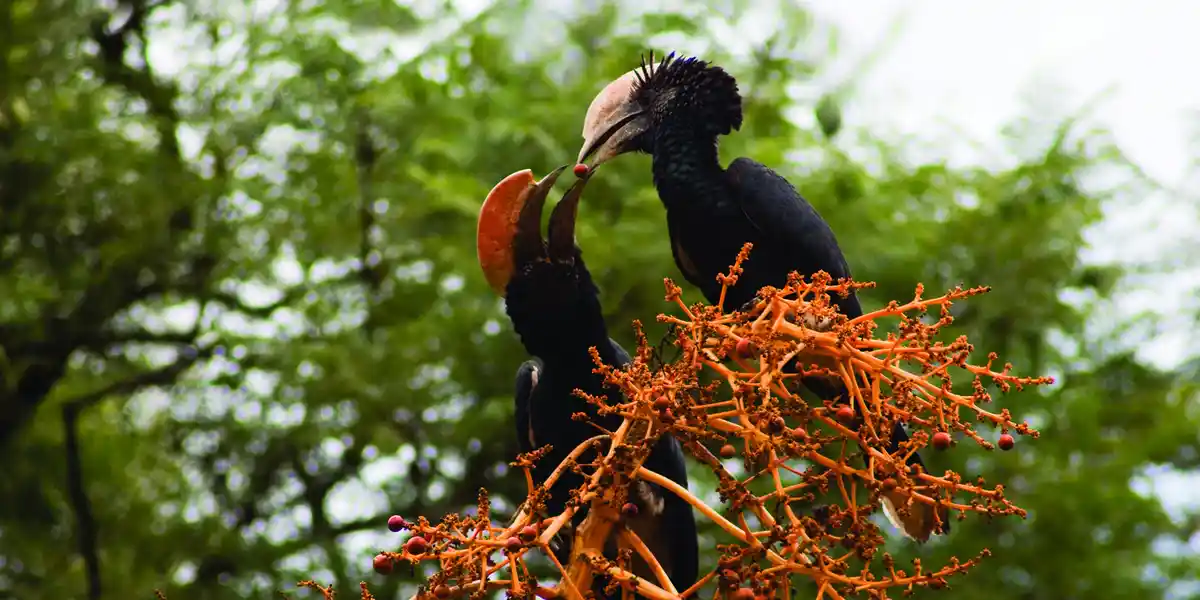
  • Tarangire National Park: Large flocks of weavers and hornbills
Southern Circuit
  • Ruaha National Park: Raptors, lilac-breasted rollers, and secretary birds
  • Udzungwa Mountains: Endemic species in forests and montane areas
Zanzibar & Coastal Regions
  • Mangroves and coral islands attract shorebirds and seabirds
  • Migratory species are abundant during green season

2. Seasons & Migration Highlights

  • Green Season (Nov–Mar): Peak migratory birds; lush landscapes
  • Dry Season (Jun–Oct): Easier access to parks, concentrated bird flocks
Birding is rewarding year-round, but plan according to target species.

3. Birdwatching Gear Essentials

  • Binoculars (8×42 or higher)
  • Camera with telephoto lens for bird photography
  • Field guide or app for local species identification
  • Notebook or digital recorder for notes
Twombili Tip: Lightweight, quiet clothing in neutral colors helps avoid disturbing birds during your bird watching safaris in Tanzania.
Birdwatching safaris in Tanzania

4. Accommodation & Guide Tips

  • Family-friendly lodges near bird-rich areas
  • Private guides with birding experience enhance sightings
  • Boat or walking trips may be required for wetland species
  • Cost ranges: Budget lodges ($50–$150/night), Midrange ($150–$350), Luxury ($350+)

5. Family-Friendly Birdwatching Safaris in Tanzania

  • Shorter daily excursions
  • Guided walks suitable for children
  • Educational experiences on ecosystem and conservation

You Might Also Find These Helpful

Frequently Asked Questions (FAQs)

Do I need binoculars or a camera for birdwatching? +

Both are recommended. Binoculars allow detailed observation, and cameras capture memories.

Which parks are best for endemic species? +

Ngorongoro Crater, Udzungwa Mountains, and Tarangire National Park have several endemic birds.

Can birdwatching safaris be combined with classic game drives? +

Yes. Many itineraries combine both for a full Tanzanian wildlife experience.

elephants tanzania safety guide Serengeti safari

Tanzania Safari Photography Guide

Tanzania Safari Photography Guide

What is Tanzania Safari Photography?

Tanzania safari photography is a specialized wildlife travel experience focused on capturing high-quality images of Africa’s iconic wildlife, landscapes, and cultural encounters. It combines knowledge of animal behavior, lighting conditions, and seasonal patterns to produce images that tell compelling stories. Whether you’re a beginner or an experienced photographer, understanding the parks, gear, and photography techniques is key to capturing memorable shots.

1. Best Parks for Safari Photography

Northern Circuit
  • Serengeti National Park: Big Five, wildebeest migration (best months: July–October for river crossings). Wide plains allow aerial-style compositions. Early mornings 6–9am and late afternoons 4–6pm are ideal golden-hour windows.
  • Ngorongoro Crater: Dense wildlife and crater landscapes. Elevated viewpoints offer sweeping panoramas. Lions and elephants are abundant near waterholes.
  • Lake Manyara & Tarangire: Birdlife-rich environments, elephants with iconic baobab trees. Tarangire is excellent for late afternoon lighting and shadows.
Southern Circuit
  • Ruaha National Park: Less crowded, perfect for unobstructed shots of elephants, lions, and rare predators. Beanbags, swivel seats, and private vehicles enhance photography. Sunrise: 6–8am; Sunset: 5–7pm.
  • Selous (Nyerere National Park): Boat safaris for water-level perspectives of hippos, crocodiles, and birds. Reflections create creative compositions. Fewer crowds allow longer observation periods.
Zanzibar Extensions
  • Coastal sunsets, dolphins, sea turtles, and vibrant street scenes. Wide-angle lenses work best for architecture and environmental storytelling.

2. Seasons, Light & Species Concentration

Dry Season (June–October)
  • Clear skies, wildlife concentrated near water, perfect for silhouette and backlit shots.
  • Golden hours: Sunrise ~6–8am, Sunset ~5–7pm.
  • Great Migration: Best for photographing river crossings and predator-prey interactions.
  • Species concentrations vary: Serengeti for wildebeest, Ruaha for elephants, Tarangire for baobab-background shots.
Green Season (November–March)
  • Lush landscapes, newborn wildlife, vibrant birdlife, and excellent macro photography opportunities.
  • Cloudy skies diffuse light, ideal for balanced exposures. Bring rain covers and quick-dry cloths.

3. Photography Gear Essentials

  • DSLR or mirrorless camera with telephoto lens (200–600mm)
  • Wide-angle lens for landscapes and architecture
  • Macro lens for birds and insects
  • Tripod or monopod for stability
  • Extra batteries, memory cards, weather protection, lens cleaning kit
  • Polarizing filter for enhanced skies and reduced glare
Twombili Tip: Light packing with essential lenses and accessories ensures flexibility across different parks.
tanzania safari photography

4. Vehicle & Guide Considerations

  • Private or photography-specialist vehicles with open roofs are essential for unobstructed shots.
  • Guides know animal behavior and optimal vehicle positioning for light angles.
  • Use beanbags, swivel seats, and vehicle modifications for smoother shots.
  • Duration of photography safaris typically 5–7 days; longer for migration-focused trips.
  • Permits: Drones are generally restricted; always confirm local regulations.

5. Tips for Wildlife Photography

  • Patience: anticipate animal behavior.
  • Use natural frames for depth.
  • Experiment with perspective: low angles, roof-top shots, or hiding in blinds.
  • Adjust ISO, shutter speed, and aperture dynamically.
  • Use burst mode for fast-moving action.
  • Observe herd patterns for storytelling sequences.

6. Combining Photography Safaris with Other Experiences

  • Zanzibar: sunsets, coastal wildlife, cultural photography.
  • Walking & boat safaris in Southern Tanzania for alternative angles.
  • Capture village life, traditional ceremonies, local markets.
  • Night photography: stars and nocturnal wildlife in remote areas.

You Might Also Find These Helpful

Frequently Asked Questions (FAQs)

Do I need professional experience for a photography safari? +

No. Photography safaris are suitable for beginners to pros. Guides provide techniques, framing suggestions, and mentorship throughout your journey.

Which safari circuit is best for landscape shots? +

Serengeti and Ngorongoro for expansive vistas, Southern parks for intimate wildlife and dramatic light. Choose less crowded parks for uninterrupted shots.

What lens is best for Tanzania wildlife? +

Telephoto lenses (200–600mm) for wildlife, wide-angle for landscapes, and macro for birds/insects. A versatile lens kit ensures coverage of all scenes.

When is the Great Migration best for photography? +

July to October for river crossings in Serengeti; December to March in Northern Serengeti for birthing season. Timing your trip around sunrise/sunset improves light quality.

Is a private vehicle necessary? +

Highly recommended. Private vehicles allow flexible timing, better positioning for light, and minimal interference from other tourists.

How much does a photography safari cost? +

Typical 5–7 day photography safaris range $3,500–$8,000 per person depending on vehicle type, accommodation level, and season.

Which parks are less crowded? +

Ruaha, Selous (Nyerere), and Southern parks generally see fewer tourists, offering better photography conditions and peaceful wildlife interactions.

Can beginners join? +

Absolutely. Guides assist with framing, camera settings, and positioning to ensure beginners capture quality images.

Are drones allowed? +

Drones are generally restricted in national parks. Always check park rules and obtain necessary permits before use.

What’s the best circuit for photographing elephants? +

Southern Circuit parks like Ruaha and Selous are prime for elephant photography due to large herds, open spaces, and fewer crowds.

elephants tanzania safety guide Serengeti safari

Tanzania Safari Types Explained: Choosing the Right Safari for Your Travel Style

Tanzania Safari Types Explained: Choosing the Right Safari for Your Travel Style

Tanzania offers one of the widest ranges of safari experiences in Africa, but not all safaris are the same. Choosing the right safari type affects your comfort, wildlife experience, budget, and overall enjoyment.

Understanding the different Tanzania safari types allows you to match your expectations with the right itinerary, vehicle style, accommodation, and pace — ensuring your safari feels personal, not generic.

1. Classic Game Drive Safaris

This is the most common safari style in Tanzania and forms the foundation of most itineraries.

  • Conducted in 4×4 safari vehicles
  • Morning and afternoon game drives
  • Led by professional driver-guides
  • Available in all major parks

Classic game drives are ideal for first-time visitors and are widely offered in Serengeti, Ngorongoro, Ruaha, and Nyerere National Park.

2. Private Safaris vs Group Safaris

Private Safaris
  • Exclusive use of vehicle and guide
  • Flexible schedules and pacing
  • Privacy at wildlife sightings

Best for: couples, families, photographers, and travelers who value flexibility.

Group Safaris
  • Shared safari vehicles
  • Fixed routes and schedules
  • Lower overall safari costs

Best for: solo travelers, budget-conscious guests, and social travelers.

3. Luxury Safaris in Tanzania

  • High-end lodges and luxury tented camps
  • Private vehicles and expert guides
  • Fly-in transfers between parks
  • Fine dining, spa services, and scenic locations

Luxury safaris are popular in Serengeti, Ngorongoro, Ruaha, and Zanzibar safari combinations.

4. Midrange Safaris: Comfort & Value

  • Well-rated lodges or tented camps
  • Private or semi-private vehicles
  • Strong guiding standards
  • Comfortable amenities and quality meals

This is the most popular safari category for couples and families seeking value without sacrificing experience.

5. Budget Safaris Explained

  • Shared vehicles (private options sometimes available)
  • Simpler accommodation
  • Fixed itineraries
  • Road transfers instead of flights

Budget safaris suit adventurous travelers who prioritize wildlife encounters over luxury.

tanzania safari types

6. Family-Friendly Safaris

  • Shorter driving distances
  • Family-friendly lodges
  • Flexible game drive hours
  • Educational guiding

7. Honeymoon & Romantic Safaris

  • Private vehicles
  • Romantic lodges and tented camps
  • Sundowners, bush dinners, and spa treatments
  • Safari combined with Zanzibar beach stays

8. Photography-Focused Safaris

  • Flexible schedules
  • Fewer guests per vehicle
  • Photography-trained guides
  • Strategic positioning at sightings

9. Birdwatching Safaris

  • Over 1,100 bird species
  • Specialist birding guides
  • Slower-paced drives
  • Best during the green season

10. Walking & Boat Safaris

Walking Safaris
  • Guided on foot with armed rangers
  • Focus on tracks, plants, and ecosystems
Boat Safaris
  • Conducted on rivers and lakes
  • Ideal for hippos, crocodiles, and birdlife

You Might Also Find These Helpful

  • Northern Tanzania Safari Guide
  • Northern vs Southern Tanzania Safaris
  • Tanzania Safari Lodges Explained
  • How to Get Around Tanzania on Safari

Frequently Asked Questions (FAQs)

Which safari type is best for first-time visitors? +
Private or midrange classic game drive safaris are ideal for first-time visitors.
Can I combine different safari types in one trip? +
Yes. Many itineraries mix classic safaris, walking safaris, and beach extensions.
Are luxury safaris only for honeymooners? +
No. Luxury safaris also suit families, photographers, and experienced travelers.