
Tanzania Green Season Safari Guide: Why the Rainy Season Is a Hidden Gem
The green season in Tanzania typically runs from November to March, with heavier rains usually occurring in April and May. Rather than constant rain, this season is defined by short, refreshing showers, lush landscapes, dramatic skies, and far fewer visitors. Across both Northern and Southern Tanzania, parks transform into vibrant ecosystems filled with fresh grass, blooming plants, and abundant water — creating a strikingly different safari atmosphere.1. What Is the Green Season in Tanzania?
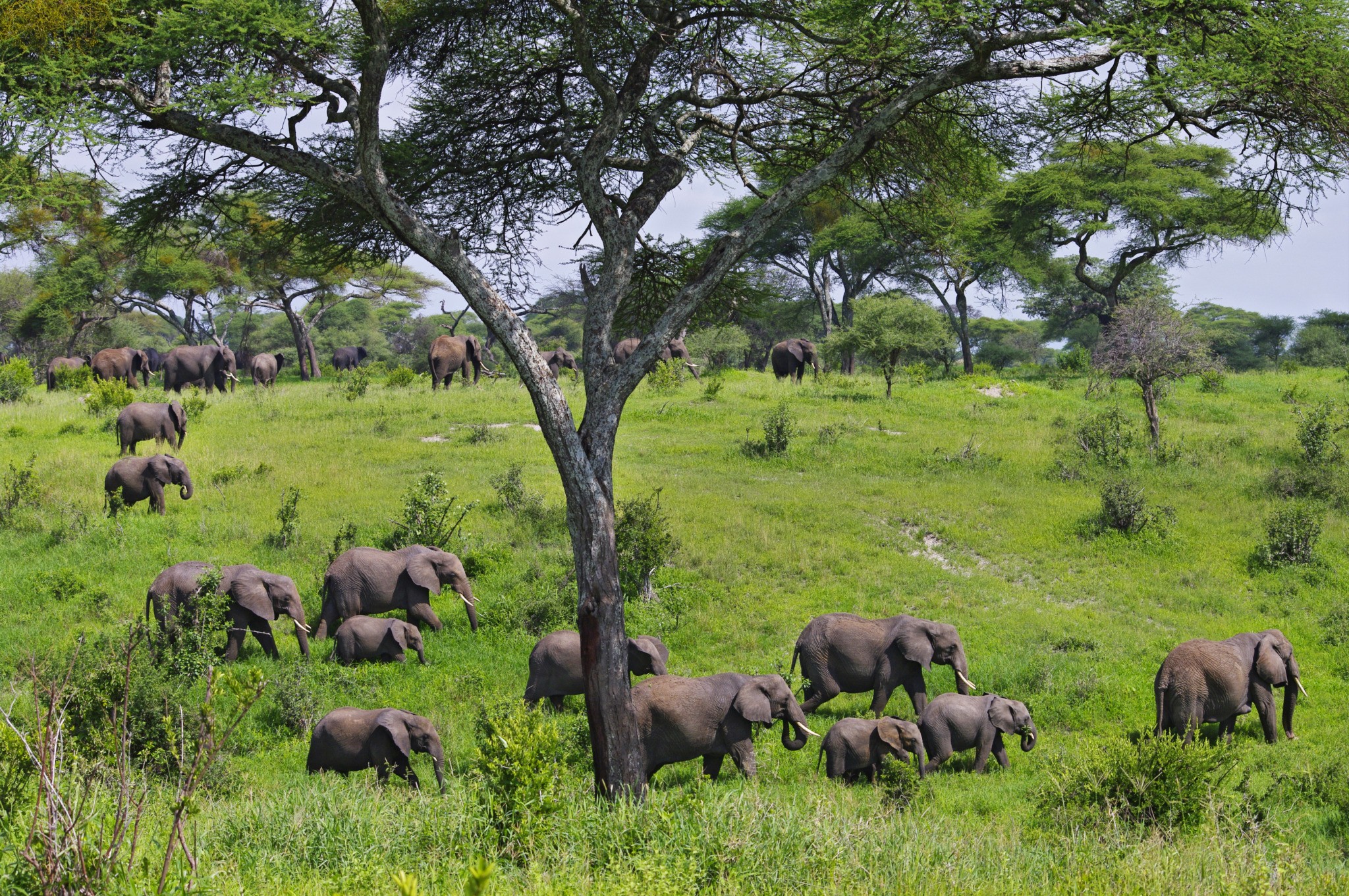
The green season brings life back into the savannah. Short rains revive vegetation, rivers refill, and wildlife disperses across wider areas, creating a more natural and immersive safari experience.2. Honest Overview: Is a Green Season Safari Worth It?
Yes — for the right traveler, a green season safari can be exceptional. While the dry season is known for predictable wildlife concentrations, the green season offers space, atmosphere, and striking scenery. Rain rarely lasts all day, and game drives continue daily. Experienced guides adapt routes and timing to ensure rewarding sightings. This season is less about dust and crowds — and more about authenticity, light, and wilderness mood.3. Wildlife Experience During the Green Season
- Herbivores spread out as water becomes widely available
- Predator sightings remain strong, especially lions and leopards
- Birdlife peaks with migratory species
- Calving season begins in parts of the Serengeti (Jan–Feb)
4. Why the Green Season Can Be the Best Time to Visit
- Fewer vehicles at wildlife sightings
- Lush, photogenic landscapes
- Dramatic cloud formations and sunsets
- Lower safari costs than peak season
- More flexible lodge availability
5. Who Enjoys Green Season Safaris the Most?
Families- Lower prices
- Less crowded parks
- Flexible pacing
- Rich green backdrops
- Soft, diffused light
- Storm clouds and golden breaks of sun
- Peak season for migratory birds
- Privacy and fewer guests
- Romantic, atmospheric landscapes
6. Photography During the Green Season
- Animals appear healthier and cleaner
- Vibrant, non-dusty backgrounds
- Reflections and dramatic skies add depth
7. Safari Costs & Value in the Green Season
- Reduced lodge rates
- More inclusions and added value
- Access to premium lodges at better prices
8. Getting Around & Road Conditions
- Main safari routes remain accessible
- Guides adapt daily routes after rainfall
- Southern parks like Ruaha & Nyerere perform especially well
9. How to Prepare for a Green Season Safari
- Pack quick-dry, breathable clothing
- Bring a light waterproof jacket
- Protect camera gear with rain covers
- Allow flexibility in daily schedules
You Might Also Find These Helpful
- What to Pack for a Tanzania Safari During the Green Season
- Best Time to Visit Tanzania – Month-by-Month Safari Guide
- Northern vs Southern Tanzania Safaris – Which Is Right for You?
- Tanzania Safari Costs Explained: Budget to Luxury
Frequently Asked Questions (FAQs)
Does it rain all day during the green season?
+
Is wildlife harder to see in the rainy season?
+
Is the green season safe for safari travel?
+
