Best Time to Visit Southern Tanzania Safaris: Complete Expert Guide (2026)
Southern Tanzania is one of Africa’s last great wilderness frontiers, offering vast landscapes, exceptional predator sightings, and a safari experience far removed from crowded tourist routes.
The Southern Circuit includes three remarkable protected areas:
- Ruaha National Park
- Nyerere National Park
- Mikumi National Park
The timing of your safari plays a critical role in wildlife visibility, accessibility, and overall travel experience.
This guide explains the best time to visit Southern Tanzania safaris using real field knowledge from professional safari planning.
Quick Expert Answer
The best time to visit Southern Tanzania for safari is June to October, during the dry season.
During this period:
- Wildlife gathers around rivers and waterholes
- Vegetation becomes thinner, improving visibility
- Predator sightings increase
- Roads remain accessible across most safari areas
Parks such as Ruaha National Park and Nyerere National Park offer exceptional wildlife viewing as animals concentrate near permanent water sources like the Great Ruaha River and Rufiji River.
Many safari experts consider July to October the peak wildlife viewing period.
Travelers seeking lush scenery, birdwatching opportunities, and fewer visitors may prefer the green season from November to March.
1. Southern Tanzania Weather and Rainfall Patterns
Southern Tanzania safari seasons are strongly influenced by rainfall cycles.
Dry Season (June – October)
This is the classic African safari season.
Conditions include:
- Day temperatures: 25–30°C
- Very low rainfall
- Clear skies
- Cooler mornings
As natural water sources shrink, wildlife concentrates near permanent rivers such as the Great Ruaha River and the Rufiji River.
Animal encounters become easier because vegetation is thinner and animals must travel to drink.
Green Season (November – March)
The bush becomes lush and vibrant after the rains begin.
Features include:
- Short afternoon showers
- Warm temperatures
- Migratory birds arriving from Europe and Asia
- Many animals giving birth
Wildlife disperses slightly because water is widely available across the landscape.
This is an excellent season for photography and birdwatching.
Long Rain Season (April – May)
These months receive the heaviest rainfall.
Travel considerations include:
- Some safari camps close temporarily
- Dirt roads may become difficult
- Flight schedules may be reduced
However, the landscape becomes spectacularly green and visitor numbers drop significantly.
2. Month-by-Month Guide to Best Time to Visit Southern Tanzania Safaris
- June – Beginning of the dry season with wildlife starting to gather near rivers.
- July – Excellent wildlife viewing with cooler temperatures and clear skies.
- August – Peak safari conditions with strong predator activity.
- September – One of the best months for wildlife visibility.
- October – Outstanding elephant sightings along river systems in Ruaha National Park.
- November – Start of the green season with dramatic skies and fewer visitors.
- December – Lush landscapes and excellent birdwatching.
- January – Calving season for many grazing animals.
- February – Great conditions for photography and quieter parks.
- March – Increasing rainfall and greener scenery.
- April – Long rains begin and some seasonal camps close.
- May – Very quiet safari experiences with very few tourists.
3. Wildlife Behavior by Season
Dry Season Wildlife Concentration
During the dry months:
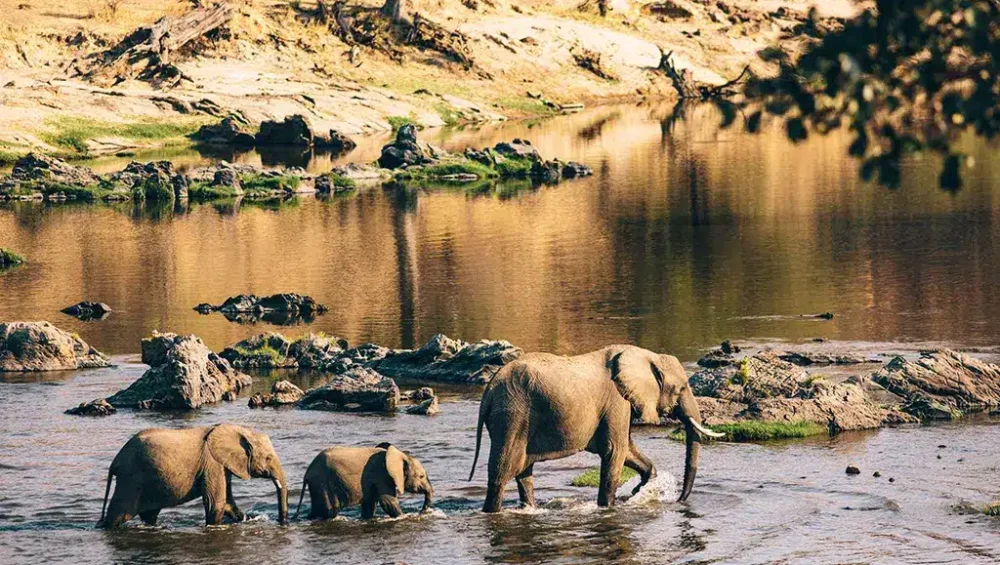
- Large herds of African elephant gather along river systems
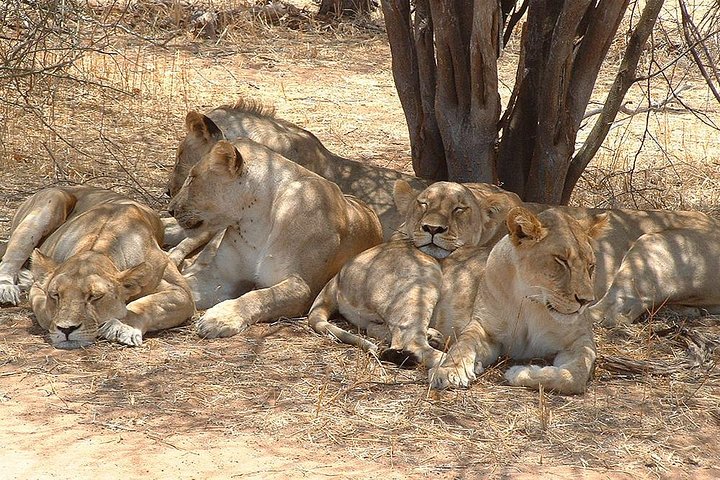
- Predators such as the African lion patrol waterholes
- Animals are easier to spot due to shorter grass
In Ruaha National Park, elephant gatherings along the Great Ruaha River are most common between August and October.
Predators such as lions and occasionally the endangered African wild dog take advantage of prey animals concentrating near water.
Green Season Wildlife Activity
When rains arrive:
- Grazing animals spread across the plains
- Many newborn animals appear
- Predator hunting activity increases
- Bird migration peaks
Southern Tanzania becomes one of East Africa’s best birdwatching destinations during this period.
4. Southern Tanzania vs Northern Tanzania Safaris
Southern Tanzania offers a very different safari experience compared to northern Tanzania.
The Southern Circuit parks such as Ruaha National Park and Nyerere National Park are known for vast wilderness areas and lower visitor numbers.
Northern destinations such as Serengeti National Park and Ngorongoro Crater are famous for the Great Migration and are easier to access.
Travelers seeking quieter, more remote safari experiences often prefer Southern Tanzania.
5. Crowd Levels Throughout the Year
Southern Tanzania is famous for low visitor density.
Seasonal crowd patterns:
- July–October → Moderate but still uncrowded
- November–March → Very quiet parks
- April–May → Almost no visitors
Compared to destinations like Serengeti National Park, wildlife sightings in the south often occur without multiple safari vehicles nearby.
6. Safari Prices by Season
Peak Season (July – October)
- Highest demand
- Premium lodge pricing
- Limited room availability
Shoulder Season (November – March)
- Balanced pricing
- Good wildlife viewing
- Excellent photography conditions
Low Season (April – May)
- Largest discounts
- Very quiet safari experience
- Some camps may be closed
7. Camp Closures and Accessibility
Some seasonal safari camps close during the long rains (April–mid May).
Reasons include:
- Flooded access roads
- Reduced safari flight routes
- Seasonal operational planning
Professional safari planning helps travelers choose camps that remain open during their travel dates.
8. How to Reach Southern Tanzania Safari Parks
Most travelers reach Southern Tanzania through domestic flights departing from Dar es Salaam.
Small safari aircraft connect visitors to airstrips inside parks such as:
- Ruaha National Park
- Nyerere National Park
Road safaris are also possible, particularly to Mikumi National Park, which is accessible by vehicle from Dar es Salaam.
Flying between parks significantly reduces travel time and allows visitors to explore multiple destinations efficiently.
9. Photography Advice by Season
Dry Season Photography
Best for:
- Predator action scenes
- Wildlife behavior shots
- Classic golden safari landscapes
Dust particles create the iconic African safari atmosphere.
Green Season Photography
Best for:
- Vibrant vegetation
- Migratory birds
- Dramatic skies
Many professional wildlife photographers prefer this season.
10. Park-by-Park Expert Guide
Ruaha National Park
Ruaha is one of Africa’s most important elephant and predator ecosystems.
Best Visit Period: June – October
- Large elephant populations
- Lion pride hunting behavior
- Occasional sightings of African wild dog
Nyerere National Park
Africa’s largest national park.
Best Visit Period: July – October
- Boat safaris on the Rufiji River
- Guided walking safaris
- Hippo and crocodile observation
Mikumi National Park
Located near Dar es Salaam.
Best Visit Period: June – November
- Open floodplains
- Excellent wildlife visibility
- Ideal for short safari trips
11. When Should You Book Your Safari?
Peak Season (July–October)
👉 Book 6–10 months in advance
Green Season Travel
👉 Book 3–6 months in advance
High Standard Mid-range and Luxury safari lodges often have limited availability.
12. Combining Southern Tanzania Safaris with the Coast
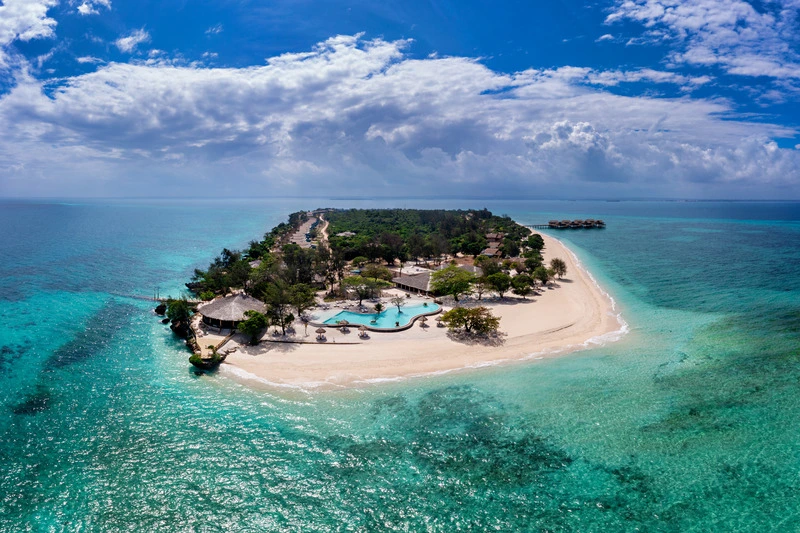
Many travelers combine safari with beach relaxation.
Popular coastal extensions include:
Recommended sequence:
Safari → Beach vacation
13. Best Time Summary Table
| Season |
Months |
Wildlife Viewing |
Crowds |
Price Level |
| Dry Season |
June – October |
Excellent |
Medium |
High |
| Green Season |
November – March |
Good |
Low |
Medium |
| Long Rains |
April – May |
Moderate |
Very Low |
Low |
14. Expert Safari Planning Insights
- The best time to visit Southern Tanzania Safaris for wildlife viewing is during the dry season from June to October.
- During this period wildlife concentrates near rivers such as the Great Ruaha River and Rufiji River, making animal sightings easier.
- Elephant concentrations along river corridors are highest between August and October.
- Predator sightings including African lion and occasionally African wild dog increase when prey animals gather around shrinking water sources.
- Southern Tanzania parks remain significantly less crowded than northern safari circuits.
15. You Might Also Find These Helpful
16. Frequently Asked Questions
1. What is the best month for Southern Tanzania safari?+
September and October are often considered the best months because wildlife concentrates around rivers and waterholes.
2. Is Southern Tanzania good during the rainy season?+
Yes, but wildlife may be more dispersed and some seasonal safari camps may close during April and May.
3. How many days are ideal for Southern Tanzania safari?+
Five to seven days is the ideal minimum duration for exploring the Southern Circuit.
4. Are Southern Tanzania safaris crowded?+
No. The Southern Circuit is known for low visitor density even during peak wildlife viewing seasons.
5. What animals can you see in Southern Tanzania?+
African elephant, African lion, leopard, African buffalo, giraffe, plains zebra, hippopotamus and Nile crocodile are commonly seen.
6. Is Southern Tanzania safe for tourists?+
Yes. Southern Tanzania safaris are conducted inside protected national parks and reserves with professional guides. Visitors travel with experienced safari operators, making it a safe and well-managed destination for international tourists.
17. Final Thoughts
Southern Tanzania represents one of Africa’s last truly wild safari frontiers.
Travelers experience vast wilderness landscapes, authentic guiding traditions, and exceptional wildlife encounters.
18. Plan Your Southern Tanzania Safari
Whether planning a honeymoon, family safari, or luxury adventure, the safari specialists at Twombili Tours can design a personalized itinerary tailored to your travel dates and interests.