
4×4 Safari Vehicles in Tanzania: A Practical Guide for Comfortable and Reliable Travel
In Tanzania, safari vehicles are not simply a means of transport. They are a critical operational component that determines comfort, safety, reliability, and the overall success of a journey. Distances are long, road conditions vary significantly, and national parks operate under specific regulations that directly affect vehicle suitability.Understanding how 4×4 safari vehicles work, what options are available, and how hire is structured helps travellers make informed decisions—particularly when planning multi-day or cross-circuit travel.
1. What Qualifies as a True 4×4 Safari Vehicle?
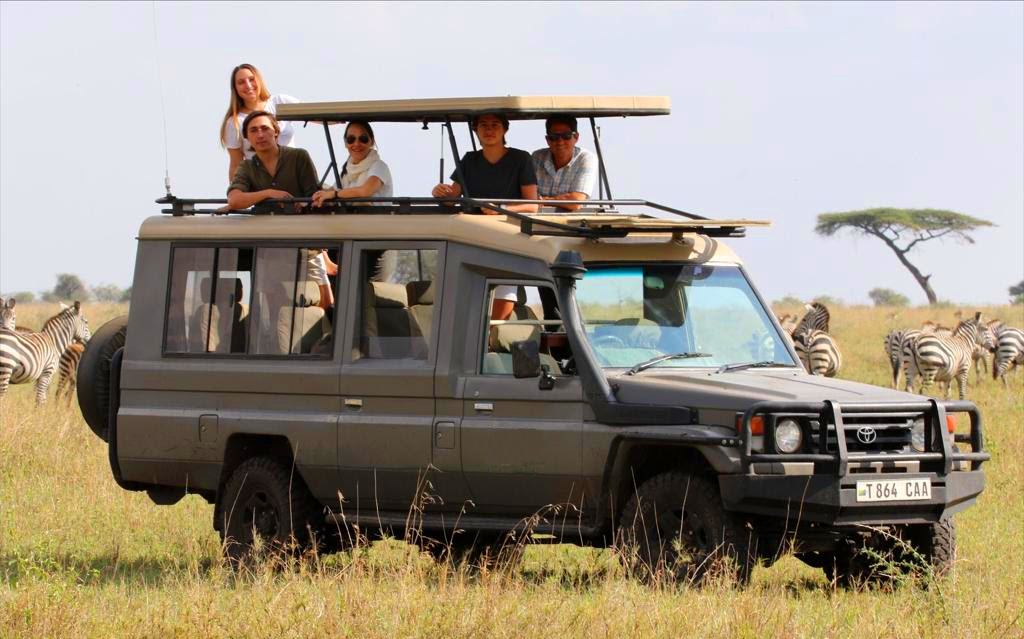
Not every four-wheel-drive vehicle used in Tanzania qualifies as a safari vehicle. True safari vehicles are purpose-adapted for wildlife viewing, rough terrain, and extended use under demanding conditions.
A proper 4×4 safari vehicle typically includes:
- High ground clearance and low-range gearing
- Reinforced suspension for gravel roads and park tracks
- A pop-up or open roof for wildlife viewing
- Forward-facing seating designed for long drives
- Space for luggage without obstructing passenger comfort
National parks such as Serengeti, Ruaha, and Mikumi regulate the type of vehicles allowed inside their boundaries, making appropriate specifications essential.
2. Types of 4×4 Safari Vehicles Used in Tanzania
Stretched Land Cruiser Safari
This is the most commonly used vehicle for long-distance and family safaris.
Key characteristics:
- Extended wheelbase for increased legroom
- Forward-facing individual seats
- Large pop-up roof with good viewing angles
- Excellent luggage capacity
- Stable performance over long distances
This option is particularly suitable for multi-day itineraries and routes that combine northern and southern Tanzania.
Standard Land Cruiser Safari
A slightly shorter version, widely used for classic safari circuits.
Key characteristics:
- Excellent off-road capability
- Pop-up roof for game viewing
- Comfortable seating for small groups
- Slightly more limited luggage space compared to stretched models
Well suited to shorter safaris or routes with fewer long transfer days.
Other 4×4 Options (With Limitations)
Vehicles such as Toyota Prado or similar may be used in specific circumstances, but they are not always ideal for extended safari travel.
Limitations may include:
- Reduced luggage capacity
- Less interior space for viewing
- Softer suspension over long distances
For this reason, such vehicles are generally recommended only for shorter routes or lighter travel plans.
3. Comfort, Safety & Practical Features
Safari vehicles are designed to balance comfort with durability. Practical features typically include:
- Individual forward-facing seats
- Pop-up roofs with secure locking mechanisms
- Large windows for visibility
- Cooler boxes for drinking water
- Charging points for cameras and phones
- Daily mechanical checks before departure
These features ensure that long hours on the road remain manageable and that wildlife viewing is safe and unobstructed.
4. 4×4 Safari Vehicles for Long-Distance Travel in Tanzania
Tanzania’s geography often requires travel between regions separated by several hundred kilometres. Routes linking northern parks to southern destinations pass through a mix of tarmac roads, gravel highways, and remote stretches with limited services.
For long-distance travel, vehicle reliability becomes critical. Proper safari vehicles are selected to:
- Handle sustained driving hours
- Carry sufficient fuel between refuelling points
- Remain stable in dust and heat
- Allow flexible routing when road conditions change
Seasonal conditions, particularly during the dry months of July and August, further increase the importance of vehicle quality and preparation.
5. Vehicle Hire With Driver: How It Works
In Tanzania, safari vehicles are hired with a professional driver-guide. This is both a regulatory and practical requirement for most safari routes.
The driver-guide is responsible for:
- Navigation and route planning
- Park entry procedures and regulations
- Vehicle handling in off-road conditions
- Daily safety checks
- Adjusting plans based on weather, wildlife movement, or road conditions
This structure ensures safety, compliance, and smooth operation throughout the journey.
6. How 4×4 Safari Vehicle Hire Is Costed in Tanzania
Vehicle hire costs are calculated based on operational realities rather than a flat rental fee. Factors typically include:
- Daily vehicle usage rate
- Professional driver-guide services
- Fuel for long-distance travel
- National park vehicle entry fees
- Driver accommodation and meals
- One-way logistics or vehicle repositioning
- Seasonal demand (peak travel months carry higher operating costs)
Understanding these elements helps explain why safari vehicle hire is priced differently from standard car rentals.
7. Conditions, Responsibilities & Usage Guidelines
To ensure safety and fairness, safari vehicle hire operates under clear conditions:
- Vehicles follow agreed routes and itineraries
- Driving hours are limited for safety reasons
- Off-road driving is restricted by park regulations
- Vehicles must be used in accordance with conservation rules
- Procedures are in place for breakdowns or unexpected delays
These guidelines protect both guests and operators and ensure compliance with national park authorities.
8. Is Hiring a 4×4 Safari Vehicle the Right Option?
Hiring a safari vehicle with driver is well suited for travellers who:
- Are planning multi-day or long-distance routes
- Have pre-booked accommodation
- Value flexibility combined with professional support
- Want to travel through multiple parks or regions
It may be less suitable for very short trips or travellers seeking the lowest possible transport cost without safari-specific requirements.
9. Frequently Asked Questions
1. Can safari vehicles be hired without a driver? +
2. Are safari vehicles suitable for children? +
3. How much luggage can a safari vehicle carry? +
4. Do safari vehicles have air conditioning? +
5. What happens if a vehicle breaks down? +
6. Are safari vehicles allowed in all national parks? +
You Might Also Find These Helpful
Internal Resources- Ideal 5-Day Mikumi and Selous Family Adventure
- Tanzania Safari Lodges Explained – From Budget to Luxury
- Northern vs Southern Tanzania Safaris: Which One Is Right for You?
- Tanzania National Parks (TANAPA)
- Ngorongoro Conservation Area Authority (NCAA)
- Tanzania Tourism Board travel information
These resources provide additional insight into regulations, standards, and responsible travel practices in Tanzania.
Final Thoughts
A safari vehicle is not just part of the journey—it shapes how the journey unfolds. When vehicle choice, professional driving, and realistic planning come together, travel across Tanzania becomes safer, smoother, and more reliable.
Understanding these fundamentals is the first step toward a well-executed safari.
