Serengeti National Park
Few places on Earth capture the imagination of travelers quite like Serengeti National Park. Stretching across vast golden plains in northern Tanzania, the Serengeti is one of the most famous wildlife destinations in the world and a cornerstone of any Tanzania safari experience. Known for its immense landscapes, thriving predator populations, and the awe-inspiring Great Wildebeest Migration, the Serengeti offers one of the most spectacular natural ecosystems on the planet.
For safari travelers, photographers, wildlife enthusiasts, and nature lovers, the Serengeti represents the ultimate African safari. Endless savannahs dotted with acacia trees, dramatic granite kopjes, and wildlife-filled rivers create a landscape where nature unfolds in its rawest form.
Where is Serengeti National Park?
Serengeti National Park is located in northern Tanzania and forms part of the larger Serengeti-Mara ecosystem, which extends into Kenya’s Maasai Mara Reserve. Covering approximately 14,750 square kilometers, the Serengeti is one of Africa’s largest protected ecosystems.
- Region: Northern Tanzania
- Nearest Safari Hub: Arusha
- Nearest Major Airport: Kilimanjaro International Airport
- Primary Airstrip: Seronera Airstrip
The park is accessible by road from Arusha (around 7–8 hours depending on route) or by scheduled bush flights from Arusha or Kilimanjaro.
Why Serengeti National Park is One of Africa’s Greatest Safaris
The Serengeti is globally renowned for its unmatched wildlife concentrations and dynamic ecosystems. Unlike many other parks, wildlife viewing here is exceptional throughout the year thanks to the park’s immense size and diverse habitats.
- Home to the Great Migration — the largest wildlife movement on Earth
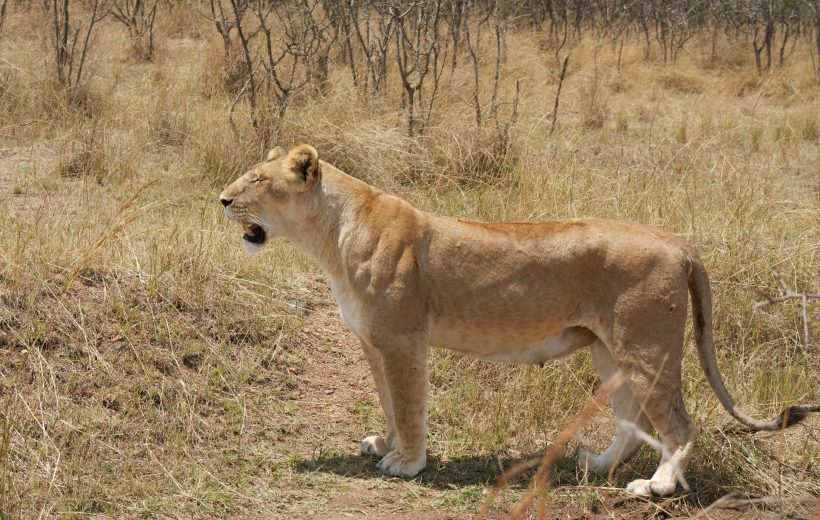
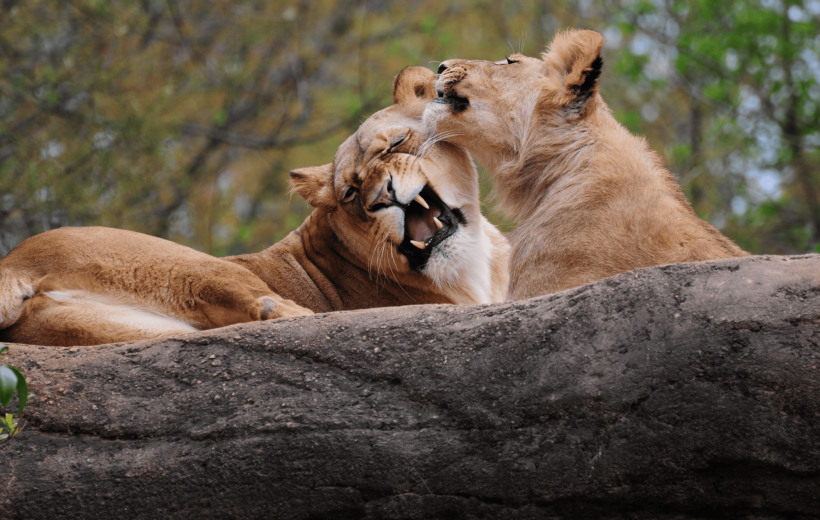
- One of the best places in Africa to see lions, cheetahs, and leopards
- Over 500 bird species
- Vast open plains ideal for wildlife photography
- One of the world’s most intact natural ecosystems
The Serengeti’s iconic kopjes — ancient rock outcrops rising from the plains — serve as lookout points for predators and provide shelter for wildlife. These formations famously inspired the landscapes depicted in the film The Lion King.
Wildlife of the Serengeti
Serengeti National Park is one of the best places in Africa to observe large mammals and predator-prey interactions. The park supports enormous populations of wildlife thanks to its rich grasslands and year-round water sources.
- Lions (over 3,000 individuals)
- Leopards
- Cheetahs
- Elephants
- Buffalo
- Giraffes
- Hippos and crocodiles
- Hyenas and wild dogs
- Wildebeest, zebras, and gazelles
Predator sightings in the Serengeti are among the most reliable in Africa, especially in the central Serengeti and southern plains during the migration season.
The Great Wildebeest Migration
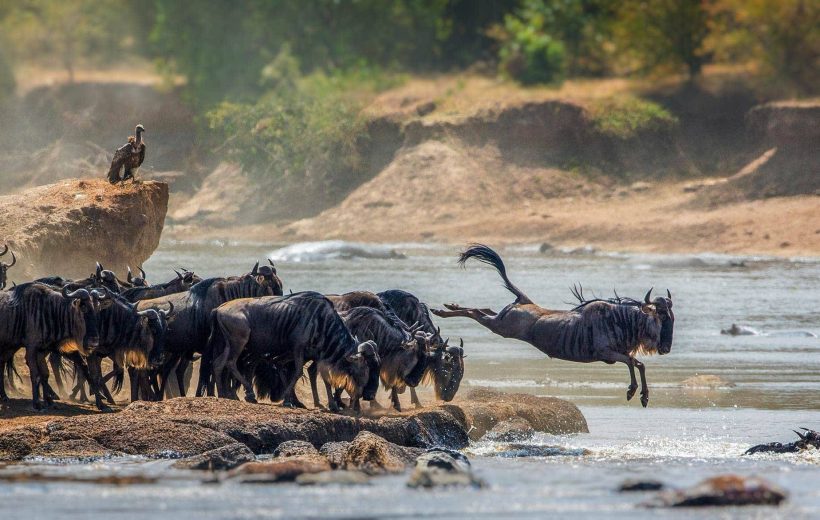
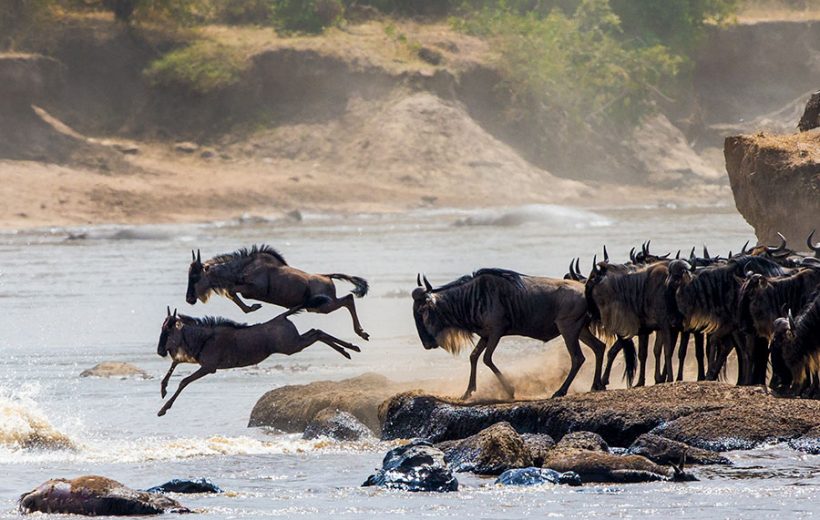
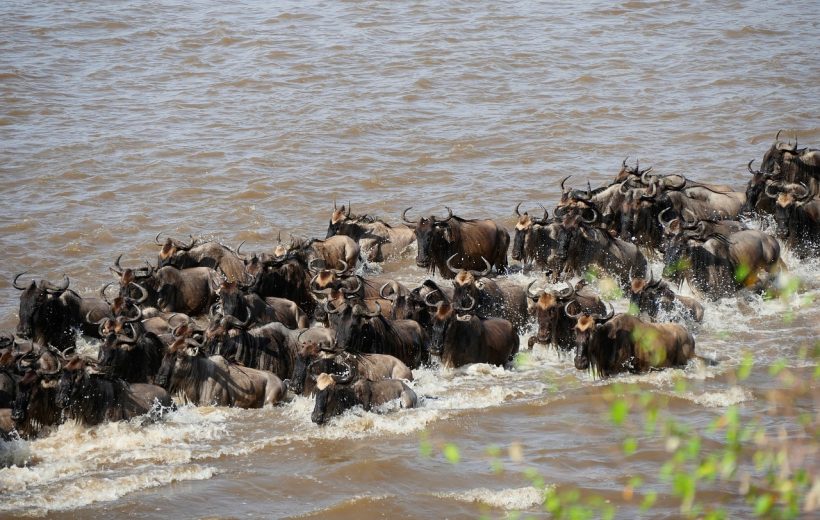
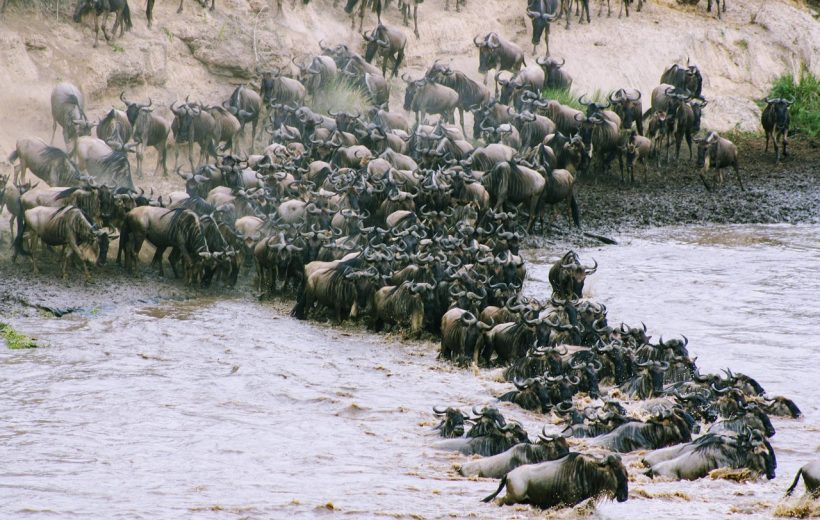
The Great Migration is the Serengeti’s most famous wildlife spectacle and one of the greatest natural events on Earth. Each year, more than 2 million wildebeest, accompanied by hundreds of thousands of zebras and gazelles, move in a continuous circular journey across the Serengeti and Maasai Mara ecosystem.
This epic migration is driven by rainfall patterns and the search for fresh grazing. Along the way, animals must navigate crocodile-infested rivers and evade predators such as lions and hyenas.
- Calving Season (Southern Serengeti): January – March
- Central Serengeti Movement: April – June
- Mara River Crossings (Northern Serengeti): July – October
- Return to Southern Plains: November – December
Best Time to Visit Serengeti National Park
Serengeti safaris can be enjoyed throughout the year, but different seasons offer unique wildlife experiences.
- January – March: Calving season and intense predator activity.
- April – May: Green season, lush landscapes and fewer visitors.
- June – October: Dry season and famous river crossings.
- November – December: Migration returns south and birdlife flourishes.
For photographers and wildlife lovers, each season offers something extraordinary.
Top Safari Experiences in Serengeti
- Private guided game drives
- Hot air balloon safari over the plains
- Wildlife photography safaris
- Migration tracking expeditions
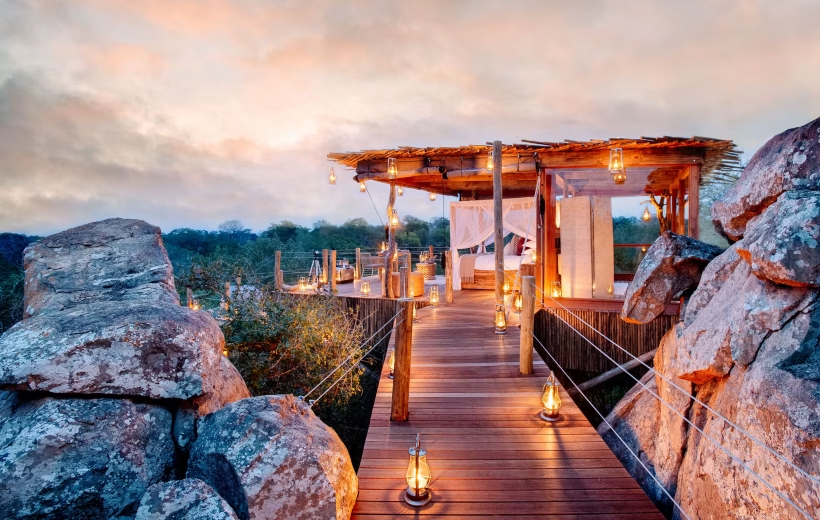
- Luxury mobile tented camp safaris
- Sunrise and sunset game drives
A private Serengeti safari allows travelers to explore the park at their own pace with expert guides who know where to find the best wildlife encounters.
Frequently Asked Questions About Serengeti Safaris
How many days do you need in the Serengeti?
Most travelers spend 3–5 days in the Serengeti to experience multiple game drives and increase chances of seeing the Great Migration and predators.
Is Serengeti safe for tourists?
Yes. Serengeti National Park is considered very safe when visiting with licensed safari guides and professional tour operators.
What animals can you see in Serengeti?
The Serengeti hosts lions, leopards, cheetahs, elephants, buffalo, giraffes, hyenas, hippos, crocodiles, and hundreds of bird species.
When is the best time to see the Great Migration?
River crossings typically occur from July to October in northern Serengeti, while calving season happens from January to March in the southern plains.
Can you visit Serengeti year-round?
Yes. Wildlife viewing in Serengeti is excellent year-round thanks to the park’s diverse ecosystems.
How do you get to Serengeti National Park?
Visitors usually travel by road or fly from Arusha or Kilimanjaro International Airport to one of the park’s airstrips.
You Might Also Find These Helpful
Plan Your Serengeti Safari
Ready to experience the Serengeti? Our expert safari specialists can help you design a private Tanzania safari tailored to your travel style and wildlife interests.
Plan Your Serengeti Safari Today