
Nyerere National Park Safari
A wilderness that still feels undiscovered
There are safari destinations that feel carefully managed — and then there is Nyerere National Park.
This is not a park that reveals itself quickly. It unfolds slowly, like a landscape that has no interest in being rushed. The air feels heavier here, not from heat alone, but from the presence of water, movement, and life that is constantly shifting between land and river.
The defining feature is not just wildlife density — it is space. Vast, uninterrupted wilderness where elephants disappear into riverine forest, lions patrol floodplains, and boat engines replace the usual silence of game drives.
This is southern Tanzania at its most authentic: raw, expansive, and still deeply untamed.
👉 If you are looking for a truly immersive experience, this Nyerere National Park safari guide Tanzania will help you understand exactly what makes this destination different — and how to plan it properly.
Jump to section:
- 1. Where is Nyerere National Park?
- 2. The Rufiji River Ecosystem
- 3. Nyerere National Park Wildlife
- 4. Boat Safaris - the Defining Experience of Nyerere
- 5. Best Time to Visit Nyerere National Park
- 6. Nyerere National Park Safari Experience
- 7. Accommodation Types in Nyerere National Park
- 8. How to Get to Nyerere National park
- 9. Nyerere Vs Serengeti - Which Should You Choose
- 10. Frequently Asked Questions About Nyerere National Park
- 11. Plan Your Nyerere National Park Safari Today
- 12. Related Guides and Itineraries
1. Where Nyerere National Park is — and why location defines everything.
Nyerere sits in southern Tanzania, forming part of one of Africa’s largest protected ecosystems.
Unlike northern parks that feel clustered and structured, this landscape stretches endlessly, shaped by the Rufiji River — a lifeline that determines movement, survival, and safari experience.
This river is not just scenery. It is:
- a feeding corridor
- a migration anchor
- a predator hunting ground
- a navigation system for wildlife
Reaching the park usually involves a short flight from Dar es Salaam, after which the world changes quickly — cities fade, roads disappear, and water becomes the organizing force of everything you see.
What most travelers don’t realize
Getting here is part of the experience — and planning it correctly matters.
- Flights are limited → booking early is important
- Road transfers are long → not ideal for all travelers
- Arrival timing affects your first safari activity
👉 This is where working with a specialist like Twombili Tours makes a difference — every transfer, arrival time, and activity is carefully aligned so you don’t lose valuable safari time.
Serengeti Location at a Glance
- 📍 Country: Tanzania
- 🌍 Region: Southern Tanzania (Selous ecosystem)
- ✈️ Nearest Airport: Julius Nyerere International Airport (Dar es Salaam)
- 🚙/✈️ Main Access Point: Dar es Salaam (via domestic flights or road transfer)
- 🚙 Distance from Dar es Salaam: ~230 km (5–6 hours by road)
- 🐘 Famous For: Rufiji River, boat safaris, large elephant populations
- 🌿 Ecosystem: River, floodplains, woodland, savannah
- 🦁 Wildlife Highlights: Elephants, lions, wild dogs, hippos, crocodiles
- 📅 Best Time to Visit: June – October (wildlife), November – March (green season)
- 🏕️ Safari Style: Remote, uncrowded, immersive
- 🌍 Nearby Parks: Ruaha National Park, Mikumi National Park
2. The Rufiji River ecosystem — the heartbeat of the park
To truly understand Nyerere, you need to understand water.
Unlike parks defined by open plains, this is a river-driven ecosystem. The Rufiji River spreads into channels, lagoons, and floodplains, shaping everything from where animals gather to how predators hunt.
During the dry season, wildlife concentrates near water, creating dense, high-activity zones. In the green season, water spreads outward, dispersing animals and transforming the landscape.
This creates a safari experience that is constantly changing — never predictable, never repetitive.
You don’t just see wildlife here — you observe behavior:
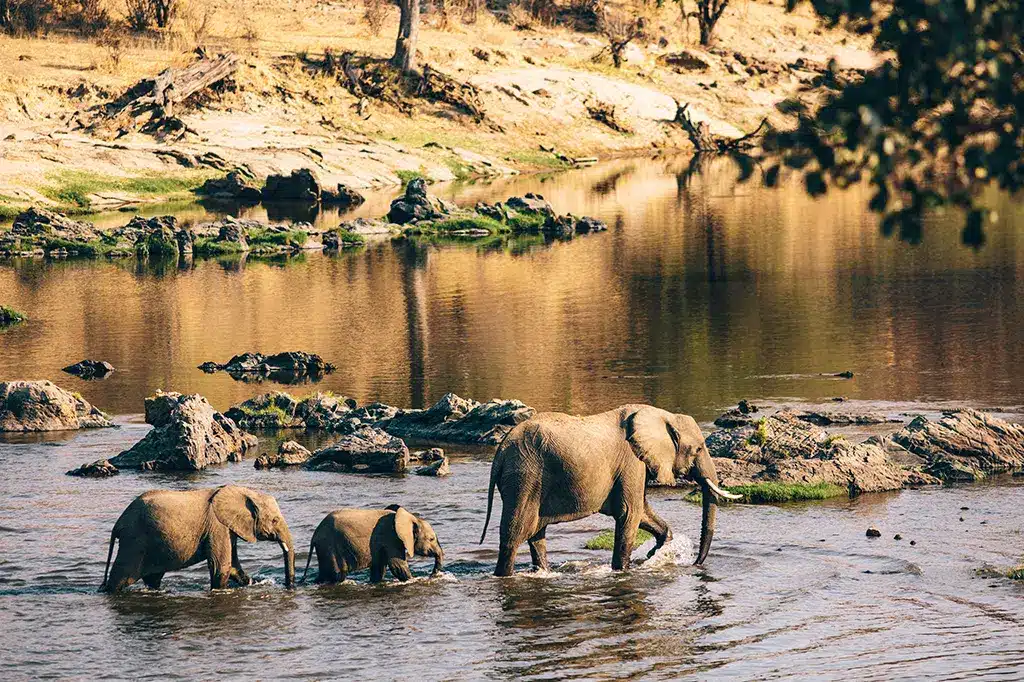
- elephants crossing water channels with calm precision
- hippos shifting territories as water levels change
- crocodiles conserving energy before sudden bursts of movement
- birds forming dense ecosystems along the riverbanks
👉 This depth of ecosystem interaction is what makes a well-planned Nyerere National Park safari guide Tanzania essential — because timing and positioning matter.
📅 Plan Your Nyerere National Park Safari with Confidence
Planning a safari in Nyerere National Park goes far beyond choosing a destination — it’s about understanding how this unique, river-driven ecosystem works, selecting the right time of year, and designing an experience that balances game drives, boat safaris, and immersive moments in the wild.
Unlike more predictable safari parks, Nyerere rewards those who plan carefully. Wildlife movement here is shaped by the flow of the Rufiji River, seasonal changes, and the location of your camp. Choosing the right combination of activities, accommodation, and timing can completely transform your safari — turning a good trip into an unforgettable one.
At Twombili Tours, we specialize in crafting tailor-made Southern Tanzania safaris, with deep expertise in Nyerere National Park. From selecting the best river-facing camps and coordinating seamless flights from Dar es Salaam, to planning the ideal balance between land and water-based experiences, we handle every detail with precision and care.
Our goal is simple: to make your Nyerere safari effortless, immersive, and truly personal — so you can focus on the experience, knowing everything behind the scenes is perfectly arranged.
- Local Experts.
- Tailor-made Itineraries.
- Fast Response Within 24 Hours.
3. Wildlife — not just sightings, but understanding behavior
Many safari guides focus on “what animals you will see.” But in reality, what matters is how you experience them.
Nyerere offers a more natural, less crowded wildlife experience — where sightings are not staged, and behavior unfolds organically.
You are likely to encounter:
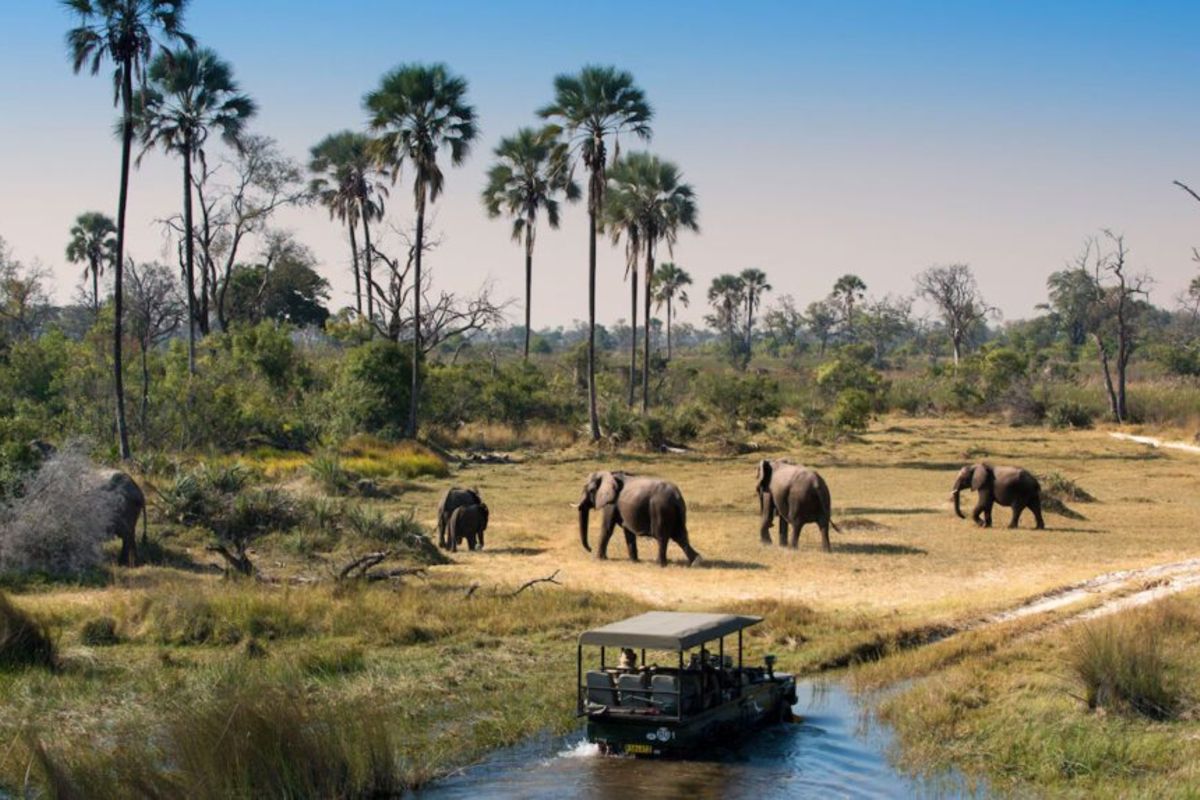
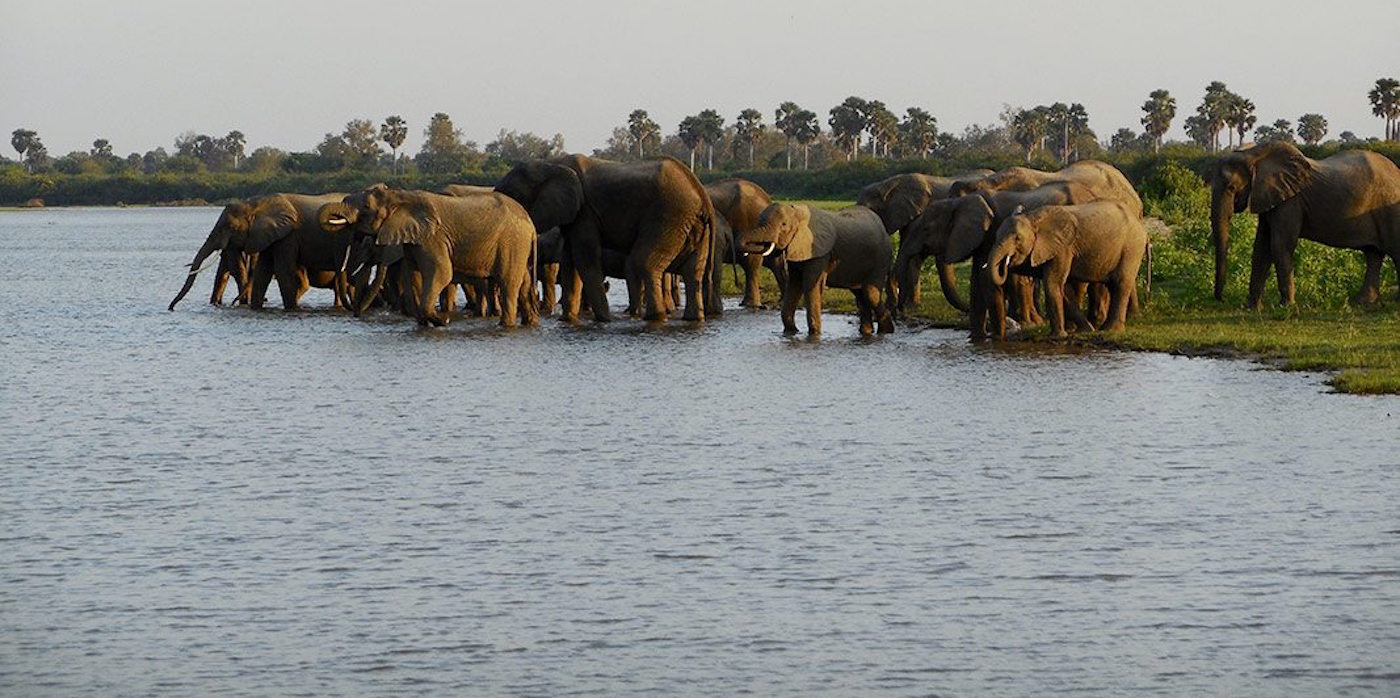
- Large herds of African elephant moving between woodland and river
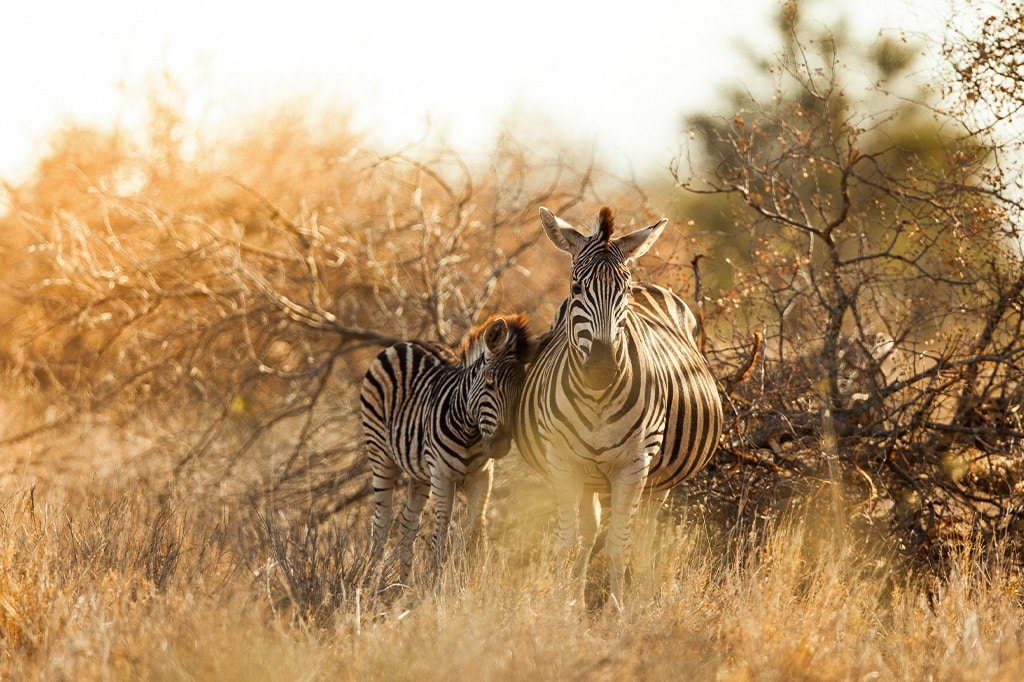
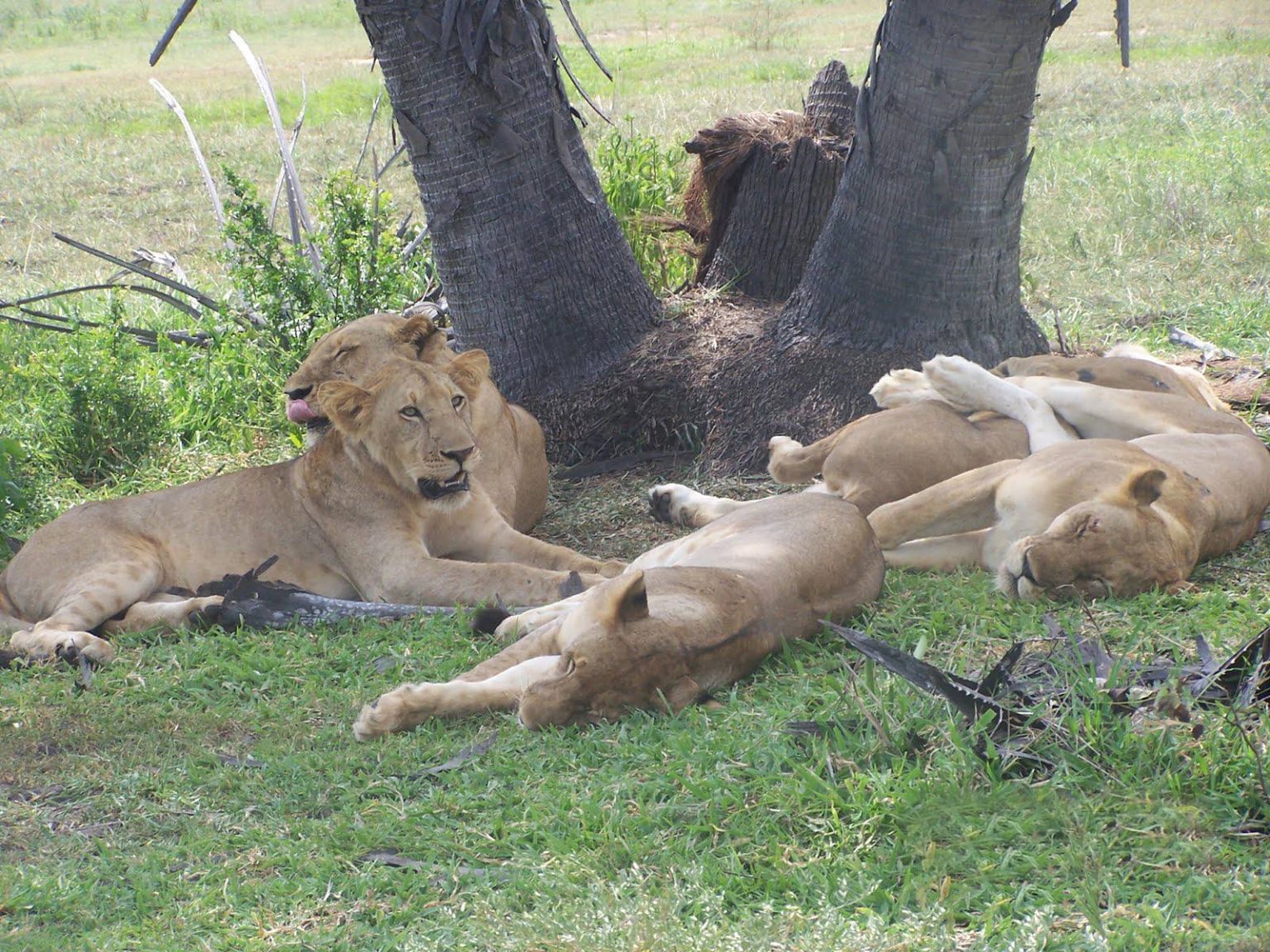
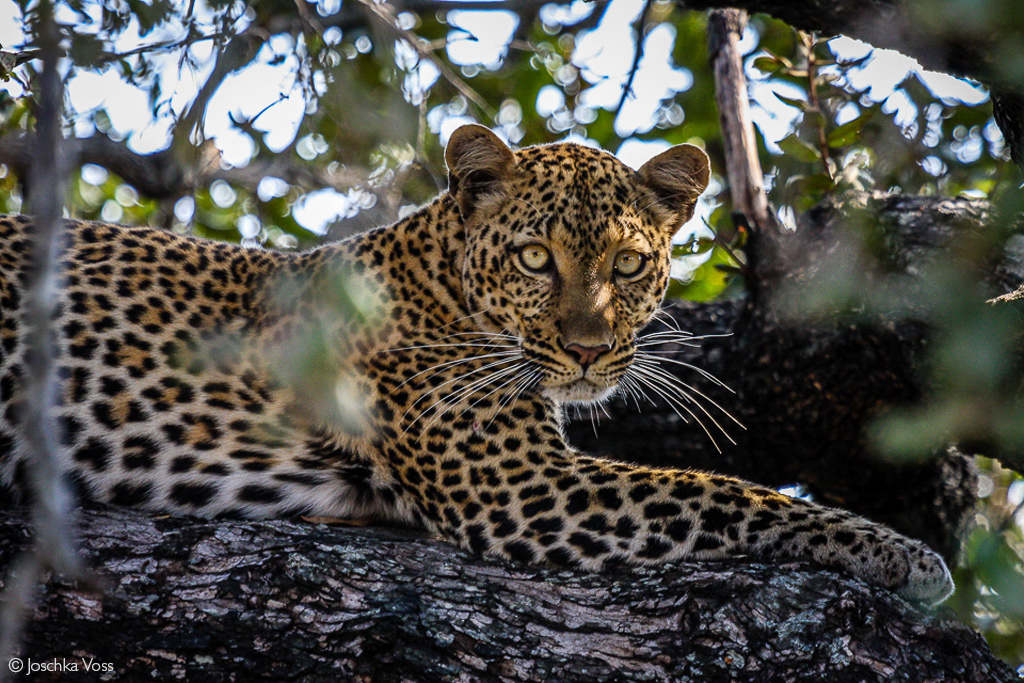
- Lion hunting along riverbanks rather than open plains
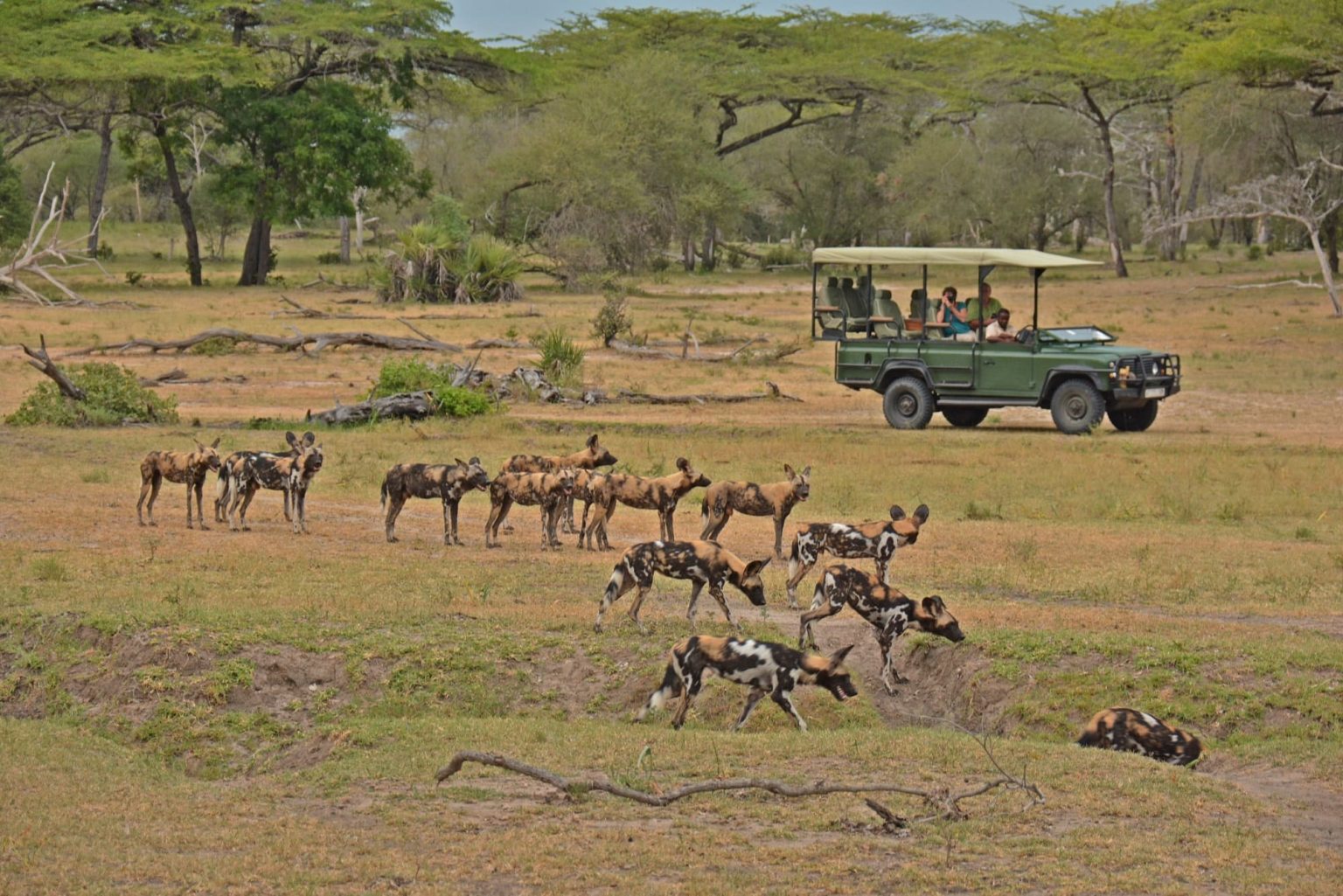
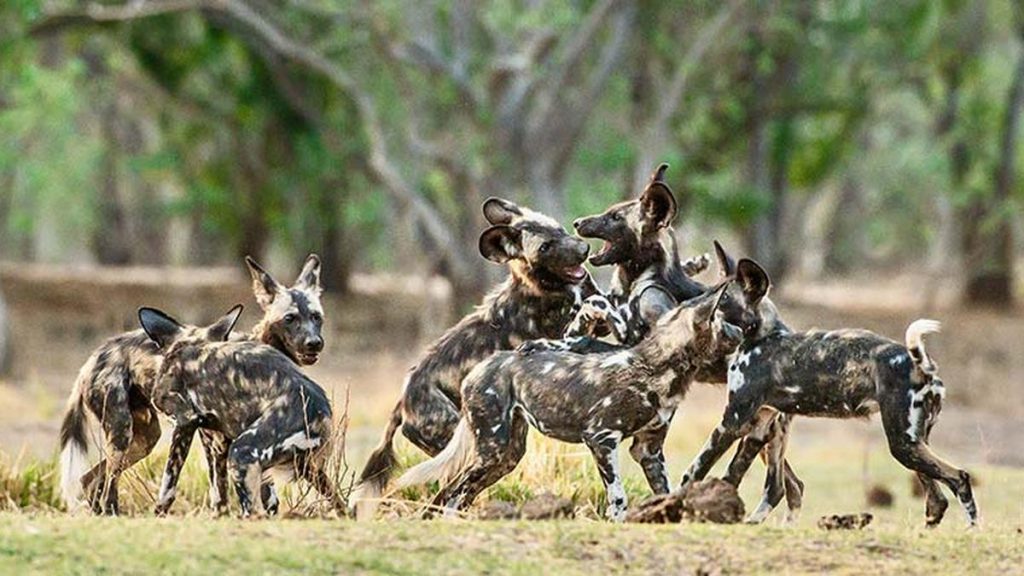
- Rare African wild dog packs moving strategically across the landscape
What makes wildlife here special
- Fewer vehicles → more natural behavior
- More space → longer, uninterrupted sightings
- River ecosystem → different predator dynamics
👉 With experienced guides from Twombili Tours, sightings are not just about luck — they are guided by deep understanding of animal movement, increasing your chances of meaningful encounters.
- What a safari actually feels like here
A safari is not just a checklist of sightings — it is a rhythm.
In Nyerere, your day unfolds gradually:
- Early morning → cool air, predator movement, soft light
- Midday → quiet observation, wildlife resting near water
- Evening → renewed activity, dramatic lighting, hunting patterns
Unlike rigid northern itineraries, safaris here are flexible and adaptive.
Why this matters
Without proper planning:
- you may miss key activity windows
- drives may feel repetitive
- experiences may feel rushed
👉 At Twombili Tours, every safari day is structured with flexibility — allowing guides to adjust based on real-time wildlife movement, not fixed schedules.
4. Boat safaris — the defining experience of Nyerere
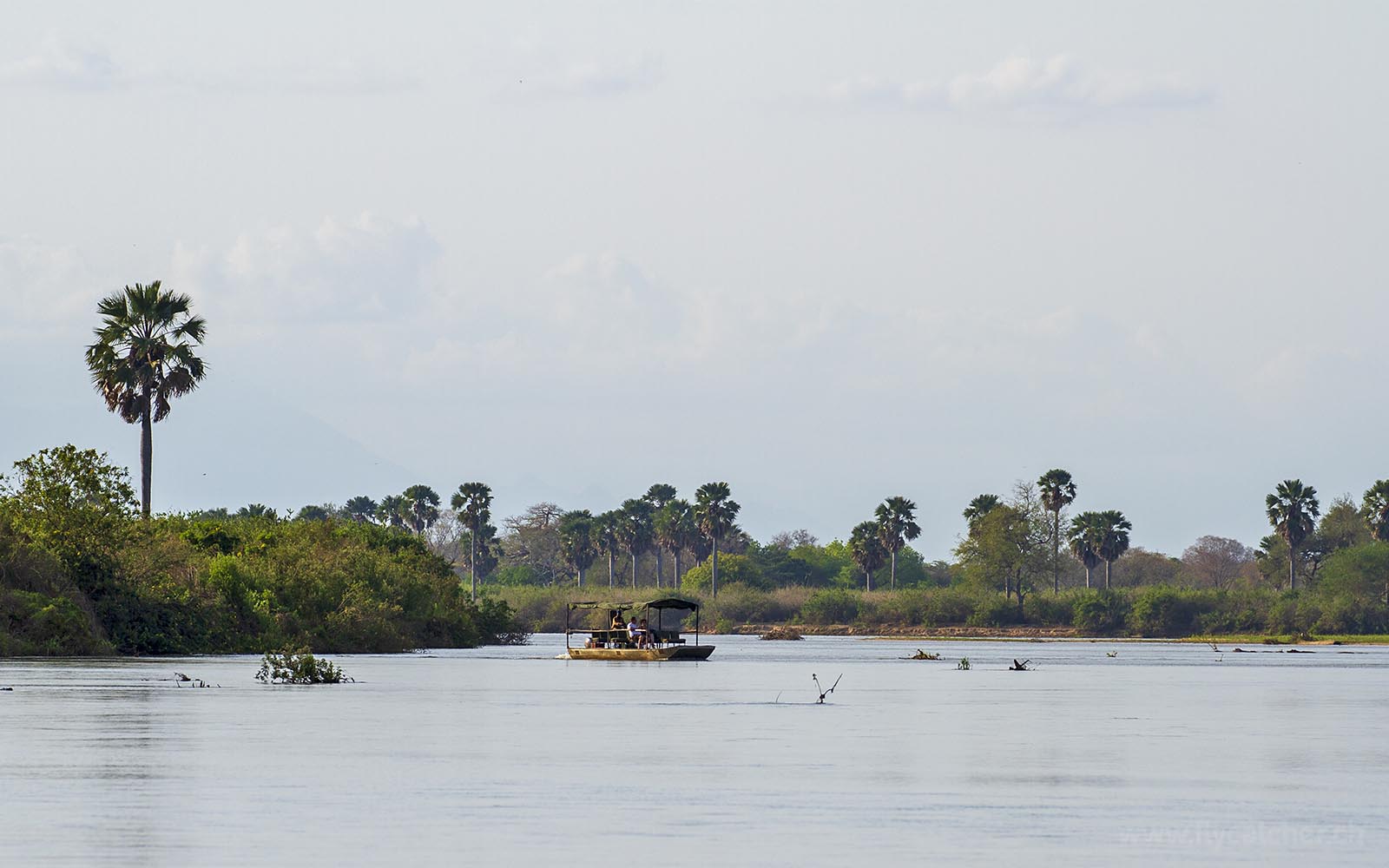
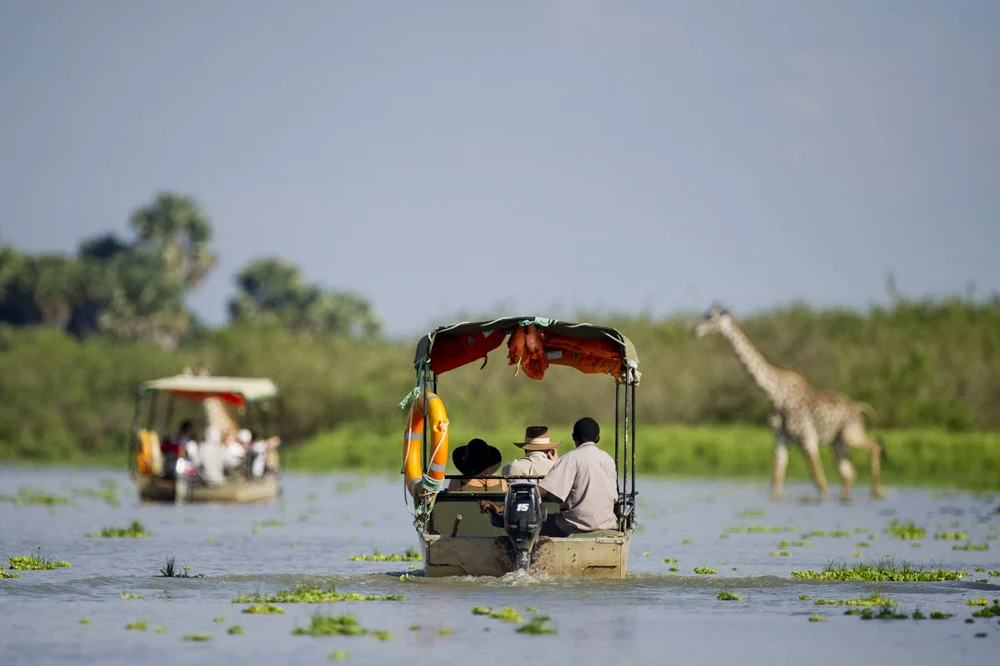
One of the biggest reasons travelers choose Nyerere is the opportunity to experience wildlife from the water.
Boat safaris offer a completely different perspective — one that few African parks can match.
From the river, you will see:
- elephants drinking and crossing at eye level
- crocodiles blending into muddy banks
- hippos surfacing close to the boat
- birds interacting in dense river ecosystems
Why this experience matters
Game drives show you the landscape —
Boat safaris place you inside the ecosystem.
👉 A well-planned Nyerere National Park safari guide Tanzania always includes at least one river safari — and at Twombili Tours, we make sure it is timed for the best wildlife activity and light conditions.
5. Best time to visit — choosing the right experience for you
Timing a safari is one of the most important decisions — and it should depend on what you want to experience, not just general advice.
Seasonal Overview
- June – October (Dry Season)
Best for wildlife viewing, animals gather near water - November – March (Green Season)
Lush landscapes, fewer crowds, excellent photography - April – May (Rainy Season)
Limited access, some camps closed
What most travelers get wrong
They choose dates based only on “peak season,” without considering:
- crowd levels
- photography conditions
- pricing differences
👉 At Twombili Tours, we help match your travel dates with your expectations — ensuring you get the experience you actually want.
📅 Nyerere National Park Month-by-Month Guide
Understanding how Nyerere National Park changes throughout the year is essential to planning the right safari. Unlike migration-driven parks, Nyerere is shaped by the rhythm of the Rufiji River, seasonal water levels, and how wildlife responds to these changes.
Each month offers a different version of the park — from concentrated dry-season wildlife viewing to expansive, lush green landscapes filled with birdlife.
- January – March
Green season in full effect
- Lush, vibrant landscapes
- Excellent birdwatching with migratory species
- Wildlife more dispersed but still active around water
👉 Best for: photography, scenery, and quieter safaris
- April – May
Long rains season
- Heavier rainfall, some camps may close
- Roads can become difficult to navigate
- Dramatic skies and deep green landscapes
👉 Best for: experienced travelers seeking solitude and lower rates
- June
Transition into dry season
- Rainfall reduces, vegetation begins to thin
- Wildlife starts concentrating near the Rufiji River
- Fewer crowds compared to peak months
👉 Best for: balanced experience with good sightings and value
- July – August
Peak dry season begins
- Strong wildlife concentrations along river channels
- Excellent predator activity
- Clear skies and optimal safari conditions
👉 Best for: classic safari experience with reliable wildlife viewing
- September – October
Dry season at its peak
- Wildlife heavily concentrated near water sources
- Increased predator-prey interactions
- Best visibility due to thinner vegetation
👉 Best for: top-tier wildlife viewing and high-action safaris
- November
Short rains begin
- Landscapes start turning green again
- Wildlife begins to spread out
- Fewer tourists return to the park
👉 Best for: quieter safaris with fresh scenery
- December
Green season returns
- Lush landscapes fully restored
- Birdlife highly active
- A mix of wildlife visibility and scenic beauty
👉 Best for: photography, relaxed safaris, and festive travel
- ⚖️ So, When Should You Visit Nyerere National Park?
There is no single “perfect” time to visit — only the best time for the experience you want.
If your priority is high wildlife concentration and easier sightings, the dry season offers the most consistent results. If you prefer lush scenery, fewer crowds, and a more relaxed pace, the green season can be equally rewarding.
The key is not just when you travel — but how your safari is planned around those conditions.
👉 At Twombili Tours, we help you match your travel dates with the right locations, camps, and activities — ensuring you get the best possible experience for your chosen season.
- ⚡ Quick Recommendation
If you’re visiting Nyerere National Park for the first time:
👉 July – October → best for wildlife density and classic safari experience
👉 June & November → best balance of value, scenery, and fewer crowds
👉 December – March → best for green landscapes, birdlife, and photography
6. Nyerere National Park Safari Experience
A safari in Nyerere National Park is not defined by a single highlight — it is defined by how you move through the landscape.
Unlike busier northern parks, where wildlife viewing can feel structured and predictable, Nyerere offers something more fluid. The experience shifts between land and water, between silence and movement, between observation and immersion.
Here, every safari style is shaped by the Rufiji River ecosystem, meaning no two experiences ever feel the same.
- 🚙 Game Drives — The Core Land Safari Experience
Game drives remain the foundation of exploring Nyerere, but they feel very different from traditional safari circuits.
Instead of crowded sightings, you often experience wildlife in open, undisturbed space, where animals behave naturally and guides rely heavily on tracking skills and environmental reading.
During a game drive, you may encounter:
- Elephants moving between woodland and river corridors
- Lions resting in shaded floodplain areas
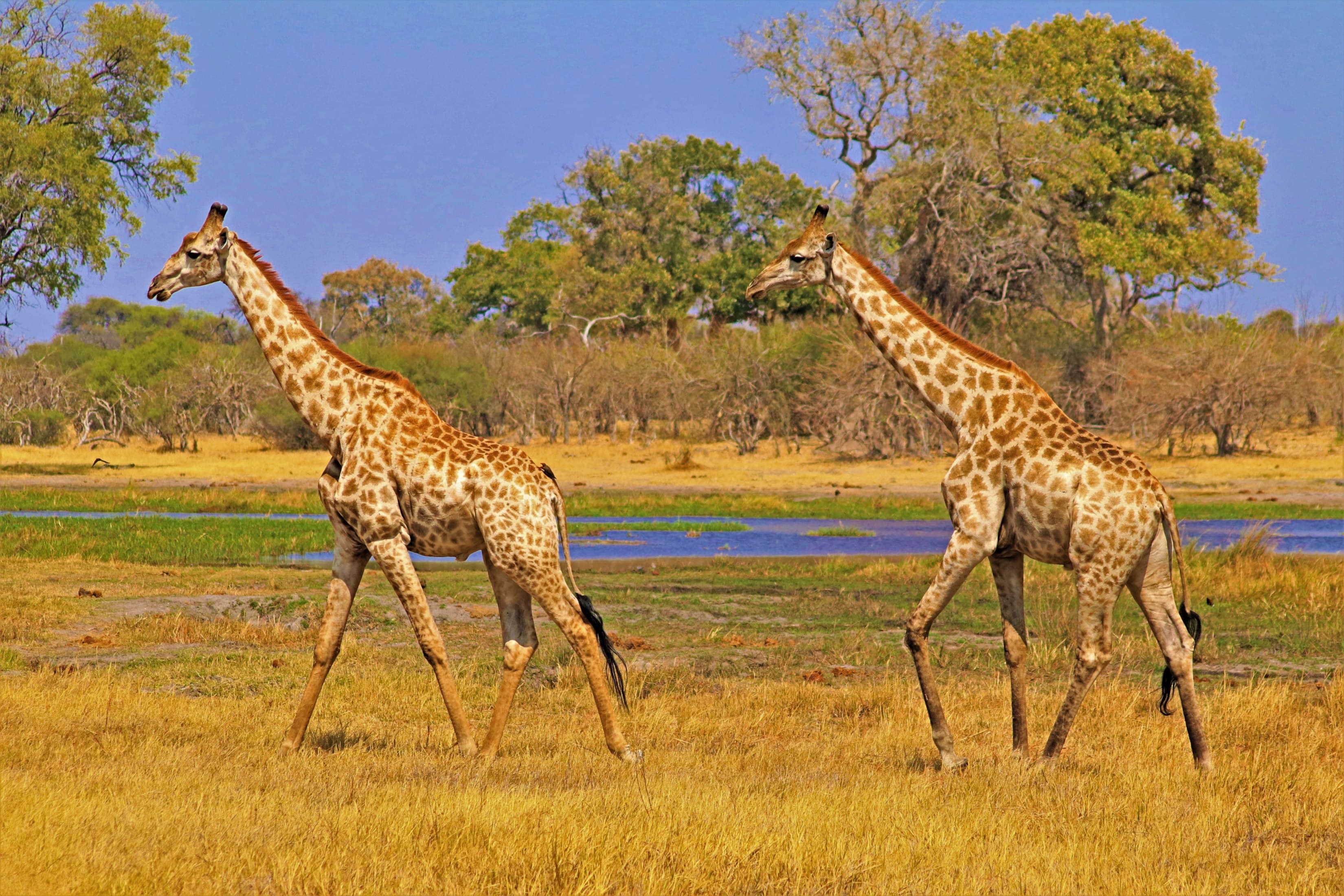
- Giraffes and antelopes grazing in open stretches
- Rare sightings of wild dogs moving across territories
How game drives change throughout the day:
- Early morning drives → cooler air, active predators, soft golden light
- Midday drives → slower movement, focus near shaded water zones
- Evening drives → heightened predator activity and dramatic lighting
👉 Best for: travelers who want a complete and balanced safari experience with high chances of meaningful wildlife encounters
- 🚤 Boat Safaris — The Signature Experience of Nyerere
What truly sets Nyerere apart from almost every other safari destination in Africa is the ability to explore it by water.
Boat safaris along the Rufiji River completely transform your perspective of wildlife.
From the water level, the ecosystem feels closer, quieter, and more intimate.
You may experience:
- Elephants standing at the river’s edge, drinking just meters away
- Hippos surfacing beside the boat in powerful, rhythmic movements
- Crocodiles blending into muddy banks, barely visible until they move
- Large flocks of birds moving across the water at sunset
Why this experience is unique:
Unlike vehicle safaris, boat safaris remove distance — you become part of the ecosystem rather than observing it from the outside.
👉 Best for: all travelers — especially first-time visitors seeking a truly distinctive safari experience
- 🚶 Walking Safaris — Understanding the Bush on Foot
Walking safaris in Nyerere are not about big wildlife sightings — they are about understanding the landscape at a deeper level.
Accompanied by a professional guide and armed ranger, you step into the bush where every detail matters.
You begin to notice:
- animal tracks and movement patterns in the soil
- plant life used for survival by wildlife
- insect activity and ecological balance
- subtle environmental signals often missed from vehicles
This is where the safari becomes educational, grounding, and deeply immersive.
👉 Best for: adventurous travelers who want a more intimate connection with nature
- 🌙 Night Game Drives (Limited Areas)
In selected zones around Nyerere, night drives reveal a completely different ecosystem that most visitors never see.
Once darkness falls, the bush transforms.
You may encounter:
- nocturnal predators beginning their hunt
- hyenas moving between territories
- bush babies and smaller nocturnal species
- intensified predator-prey dynamics
The atmosphere is quieter, more suspenseful, and highly atmospheric.
👉 Best for: returning visitors and those seeking rare wildlife behavior
- 🏕️ Bush & Cultural Experiences — Beyond Wildlife
Nyerere is not only about animals — it is also about atmosphere, culture, and connection to place.
Beyond game viewing, experiences may include:
- Sundowners overlooking the Rufiji floodplains
- Bush dinners under open skies
- Cultural visits to nearby communities (where arranged)
- Quiet moments in camp surrounded by natural soundscapes
These experiences create balance in your safari — blending activity with reflection.
👉 Best for: travelers who want a complete and emotionally rich safari journey
- 📸 Photography Safaris — Capturing Raw Wilderness
Nyerere is one of Tanzania’s most underrated photography destinations.
Unlike heavily visited parks, the light, space, and lack of crowds create ideal conditions for capturing authentic wildlife behavior.
Photographic highlights include:
- golden reflections on the Rufiji River
- elephants crossing water channels
- predator movement in open floodplains
- dramatic skies during seasonal transitions
Morning and evening light are especially powerful here due to the open, reflective landscape.
👉 Best for: photographers, content creators, and visual storytellers
⚖️ Why Safari Experiences in Nyerere Feel Different
What makes Nyerere stand out is not just the activities — but how they feel.
- Less vehicle traffic → more natural behavior
- Water-based exploration → unique perspectives
- Flexible guiding → responsive to real-time wildlife movement
- Vast landscapes → sense of true wilderness
👉 This is why many travelers describe Nyerere as the most “authentic” safari experience in Tanzania — not because it is more famous, but because it feels less controlled.
7. Accommodation Types — what they really mean
Accommodation in Nyerere is often misunderstood — especially “tented camps.”
- 🏕️ Tented Camps — Immersive Safari Experience
Tented camps offer the most authentic way to experience the Nyerere National Park, placing you right in the heart of the wilderness.
What you’ll experience:
Sleeping surrounded by nature, often hearing lions or hyenas at night
Being close to wildlife activity, sometimes with animals passing near camp
Waking up to sunrise over the plains
Typical amenities include:
Comfortable beds with en-suite bathrooms
Hot (often solar-heated) showers
Dining tents or open-air meals under the stars
Campfires and intimate lounge areas
👉 Best for: authentic safari lovers who want to feel fully immersed in the wild
- 🏨 Safari Lodges — Comfort with a View
Safari lodges offer a balance between wilderness and modern comfort, often set in scenic locations within or near the park.
What you’ll experience:
Panoramic views of the plains or nearby wildlife areas
Relaxing between game drives in a more structured environment
A quieter, more stable base for your safari
Typical amenities include:
Spacious rooms with private bathrooms
Swimming pools and viewing decks
On-site restaurants and bars
Wi-Fi in common areas (and sometimes rooms)
Reliable electricity
👉 Best for: travelers who want comfort while still enjoying the Serengeti landscape
- 🌍 Luxury Camps & Lodges — Exclusive Wilderness Experience
Luxury accommodations elevate the safari experience with privacy, prime locations, and exceptional service.
What you’ll experience:
Front-row access to wildlife in premium locations
Private decks with uninterrupted views of the savannah
Highly personalized service and curated experiences
Typical amenities include:
Large suites or villas with premium furnishings
Fine dining and curated menus
Butler or personalized service
Spa and wellness options (in select properties)
Exclusive, low-density environments
👉 Best for: honeymooners, luxury travelers, and once-in-a-lifetime safaris
Key Insight
A well-located midrange camp often delivers a better safari than a poorly located luxury lodge.
👉 Twombili Tours carefully selects accommodations based on positioning, not just rating — ensuring you are always close to wildlife activity.
- 8. How to get to Nyerere — detailed travel planning
Getting to Nyerere is simple when planned properly — but confusing without guidance.
Main options:
Flight (Recommended)
- 45–60 minutes from Dar es Salaam
- Scenic and efficient
- Direct access to safari areas
Road transfer
- 5–6 hours
- More affordable
- Less comfortable
What matters most
- Flight timing must match safari schedule
- Transfers must align with camp check-in
- Delays can affect activities
👉 With Twombili Tours, all logistics are coordinated — so your safari begins smoothly from the moment you land.
- 9. Nyerere vs Serengeti — which should you choose?
| Feature | Nyerere National Park | Serengeti National Park |
|---|---|---|
| Experience | Immersive, close-to-nature safari with fewer vehicles and deeper wildlife connection | Iconic safari with world-famous landscapes and high wildlife density |
| Crowds | Low — quiet, remote, and uncrowded throughout most of the year | High — especially during migration and peak travel seasons |
| Highlight | Boat safaris along the Rufiji River offering a unique water-level perspective | The Great Migration with dramatic river crossings and massive herds |
| Style | Raw, natural, and flexible safari experience shaped by the environment | Structured, route-based safari with predictable wildlife hotspots |
Honest recommendation
- Choose Nyerere if you want authentic, quiet wilderness
- Choose Serengeti if you want iconic, high-density wildlife
👉 Many of our clients at Twombili Tours combine both — creating a perfectly balanced safari.
- Sample 5-Day Nyerere Safari — how the experience truly unfolds
A safari in Nyerere National Park is not about rushing from one sighting to another — it’s about allowing the landscape to reveal itself at the right pace.
A well-designed 5-day itinerary gives you enough time to move beyond surface-level experiences and truly connect with the rhythm of the park — combining game drives, boat safaris, and quiet moments that often become the most memorable.
At Twombili Tours, we carefully structure each day to balance exploration, comfort, and timing, ensuring you are always in the right place at the right moment.
- Day 1 — Arrival & First Connection with the Wild
Your journey begins with a scenic flight from Dar es Salaam, where the coastline slowly gives way to vast, untouched wilderness. From the air, you begin to understand the scale of Nyerere — a landscape shaped by water, movement, and distance.
Upon landing at a bush airstrip, your guide welcomes you and your safari begins immediately — not after check-in, but from the very first moment.
On the way to camp:
- You may encounter elephants moving through woodland
- Giraffes browsing quietly along the road
- Or even predators resting in the shade
After settling into your camp, the afternoon shifts toward one of Nyerere’s most defining experiences:
🚤 Sunset Boat Safari on the Rufiji River
As the heat softens, you step onto the water. The river is calm, reflective, and alive.
- Hippos surface around you with slow, powerful movements
- Crocodiles line the banks, perfectly still
- Elephants approach the water’s edge to drink
As the sun sets, the sky turns deep gold, and the entire landscape feels suspended in stillness.
👉 This is not just your first activity — it is your first understanding of what makes Nyerere different.
- Day 2 — Into the Heart of the Wilderness
Your first full day begins early, when the air is cool and wildlife is most active.
🌅 Morning Game Drive
This is when Nyerere feels most alive:
- Lions returning from a night hunt
- Elephants moving toward water sources
- Tracks in the sand telling stories of the night before
Your guide interprets the landscape — not just driving, but reading:
- fresh footprints
- bird calls
- subtle movement in the bush
Midday brings a slower pace back at camp — time to rest, reflect, and absorb the environment.
🌇 Afternoon Safari Experience
As temperatures drop, you head out again:
- Light becomes softer, more dramatic
- Wildlife becomes active once more
- The river corridors begin to fill with movement
👉 This rhythm — active mornings, reflective midday, dynamic evenings — is what defines a well-paced safari.
- Day 3 — Walking Safari & Deeper Connection
This is where your safari shifts from observation to immersion.
🚶 Guided Walking Safari
Accompanied by a professional guide and armed ranger, you step into the landscape on foot.
This is not about large animals — it’s about understanding:
- tracks and signs
- plants and ecosystems
- how wildlife moves through the environment
You begin to notice details often missed from a vehicle:
- the texture of the ground
- the scent of vegetation
- the subtle sounds of the bush
It transforms how you experience the rest of your safari.
🚙 Afternoon Game Drive
Returning to the vehicle, you now see the landscape differently — with deeper awareness and context.
👉 This combination of walking + driving creates a far richer safari experience than either alone.
- Day 4 — The Day That Adapts to You
By now, your guide understands your interests — whether it’s predators, photography, or simply enjoying the landscape.
This day is designed with flexibility.
Options may include:
- A full-day game drive with picnic lunch
- A second boat safari at a different stretch of the river
- Focused tracking of specific wildlife (e.g., wild dogs or lions)
This is often the most rewarding day — where:
- sightings become more intentional
- experiences feel more personal
- the pace aligns perfectly with you
👉 At Twombili Tours, this flexibility is not an add-on — it is built into how we design every safari.
- Day 5 — Sunrise & Departure
Your final morning begins before sunrise.
🌅 Sunrise Game Drive
The bush is quiet, cool, and filled with anticipation.
- Predators are still active
- Light is soft and cinematic
- The landscape feels untouched
This is often when some of the most memorable sightings happen — not because they are dramatic, but because they feel personal.
After returning to camp for breakfast, you transfer back to the airstrip for your flight to Dar es Salaam.
- Why 5 days makes a difference
Many travelers underestimate how much time Nyerere deserves.
With fewer than 3 days:
- experiences feel rushed
- you may miss key activities
- wildlife encounters feel limited
With 5 days:
- you experience both land and river fully
- you adapt to the rhythm of the park
- sightings become deeper and more meaningful
👉 This is why, in this Nyerere National Park safari guide Tanzania, we strongly recommend at least 4–5 days for a complete experience.
- The Twombili Tours Difference
What turns this itinerary from good to exceptional is not just the plan — it’s how it is delivered.
At Twombili Tours:
- Your guide is carefully selected for experience and local knowledge
- Your timing is adjusted daily based on real wildlife movement
- Your accommodation is chosen for location, not just comfort
- Every detail — from flights to activities — is seamlessly coordinated
The result is a safari that feels effortless, personal, and deeply connected to the landscape.
10. Frequently Asked Questions About Nyerere National Park
1. Is Nyerere National Park safe??
Yes — and safety is taken very seriously. At Twombili Tours, all safaris are led by highly trained, experienced guides who understand both wildlife behavior and guest safety. Vehicles are properly maintained, guides are certified, and every activity is conducted with strict safety protocols. You are always guided — never exposed.
2. Is Nyerere National Park worth visiting?
Absolutely. If you value authenticity, fewer crowds, and a deeper connection to nature, Nyerere offers one of the most rewarding safari experiences in Tanzania.
3. How many days do I need to Explore Nyerere National Park?
We recommend 2–4 days minimum. Less than that feels rushed and limits your ability to experience both land and river safaris properly.
4. What makes Nyerere different from other parks?
Its river-based ecosystem, low visitor numbers, and diverse safari activities create a much more immersive experience compared to more crowded parks.
5. Is Nyerere National park suitable for first-time safari travelers?
Yes — especially when properly planned. With Twombili Tours, we guide you through every step, making the experience smooth, comfortable, and stress-free.
6. Can I see the Big Five in Nyerere National Park?
Yes, eventhough rhinos are extremely rare, Nyerere national park is one of the few places in Africa where seeing the Big Five is not only possible but fairly likely with enough time. The overall wildlife experience remains exceptional.
7. How do I plan my safari?
The easiest and most effective way is to work with experienced local specialists. At Twombili Tours, we design personalized safaris based on your travel style, budget, and expectations — ensuring everything is handled from start to finish.
8. What types of accommodation are available in the Serengeti?
Accommodation ranges from budget tented camps and mid‑range safari lodges to luxury camps and exclusive lodges. Options vary in amenities, location, and how close they are to wildlife zones. Choosing the right base depends on your comfort preference and safari focus.
9. Can I self-drive in Nyerere National Park?
Self-driving in Nyerere is possible, but not recommended for most visitors. The park is vast, remote, and shaped by seasonal conditions from the Rufiji River, which can make navigation challenging. Roads are often sandy and unmarked, and wildlife is widely spread across large areas. A guided safari with experienced professionals is strongly advised, as it ensures safety, efficient navigation, and significantly better wildlife viewing opportunities.
10. What should I pack for a Nyerere safari?
For a safari in Nyerere, pack lightweight, neutral-colored clothing for game drives, along with a warm layer for early mornings and evening boat safaris. Comfortable walking shoes, sunscreen, insect repellent, binoculars, and a good camera are essential. Depending on the season, a light rain jacket may also be useful, especially during the green season when conditions can change quickly.
11. Plan Your Nyerere National Park Safari Today
Nyerere is not designed for spectacle in the traditional sense. It is designed for immersion — where wildlife is not performed for visitors, but simply exists alongside them.
And when experienced properly, with the right planning, timing, and guidance, it becomes something far more meaningful than a safari — it becomes a connection to a landscape that still feels truly wild.
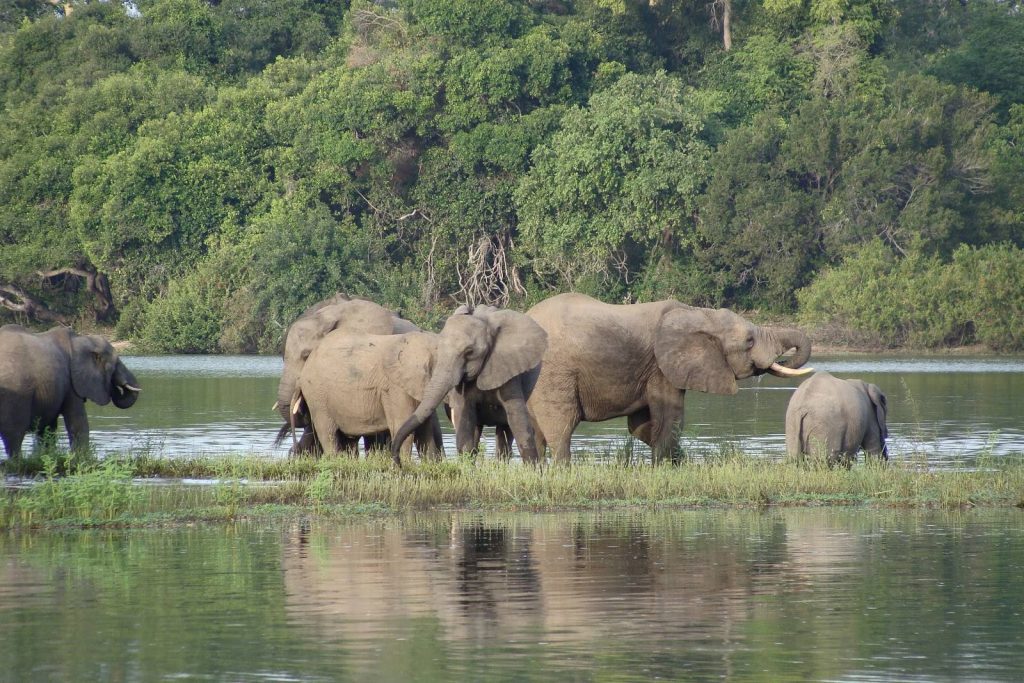
A herd of elephants grazing in the shallow waters of Rufiji river inside Nyerere national park.
Nyerere Quick Facts
- Location: Southern Tanzania (Selous ecosystem)
- Size: 30,893 km²
- Famous For: Rufiji River & boat safaris
- Wildlife: Big Five, wild dogs & 440+ bird species.
- UNESCO Status: World Heritage Site (Selous ecosystem.
- Best Time: June – October (dry season), Nov – May (green season).
Nyerere Safari Highlights
- See the Big Five in vast wilderness
- Boat safaris on the Rufiji River
- Elephants, hippos & crocodiles along waterways
- Game drives + water safaris in one park
- Strong population of African wild dogs
- Less-crowded, remote safari experience
- Excellent wildlife photography settings
Nyerere Boat Safari Experience
Boat safaris along the Rufiji River are one of Nyerere’s most unique highlights, offering a completely different way to experience wildlife.
- Wildlife viewing from water level
- Close encounters with hippos & crocodiles
- Elephants crossing rivers and channels
- Birdlife along riverbanks and lagoons
- Quiet, slow-paced safari perspective
- Sunset cruises with golden reflections on water
Plan Your Nyerere Safari Today
Ready to experience the Nyerere? Explore expertly crafted itineraries or speak to our safari specialists to design your perfect journey.
12. Related Guides and Itineraries
👉 Safari Guides to Plan Smarter
Expert insights to help you choose the right time, style, and experience for your Tanzania safari — explore our Ultimate Tanzania Safari Guide for a complete overview.
Guide
Best Time to Visit Southern Tanzania Safaris
Understand how seasons shape wildlife movement across southern Tanzania, from dry-season river gatherings to lush green landscapes full of life. Choosing the right timing can completely transform what you see and experience — and we help you get it right from the start.
Explore Guide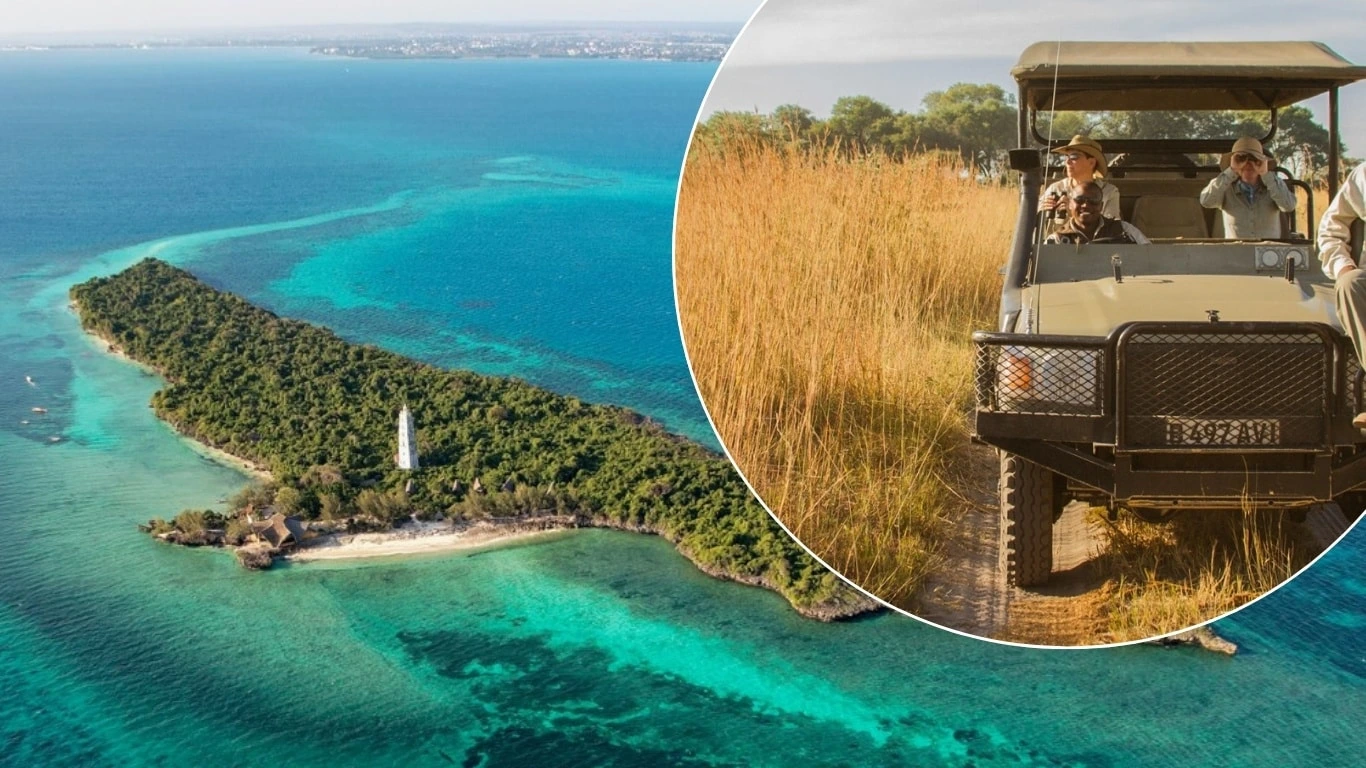
Guide
How to Combine Safari and Beach in Tanzania
A Tanzania safari becomes even more powerful when paired with the Indian Ocean. This guide shows how to seamlessly connect wildlife adventures with Zanzibar relaxation, balancing travel time, comfort, and unforgettable scenery in one journey.
Explore Guide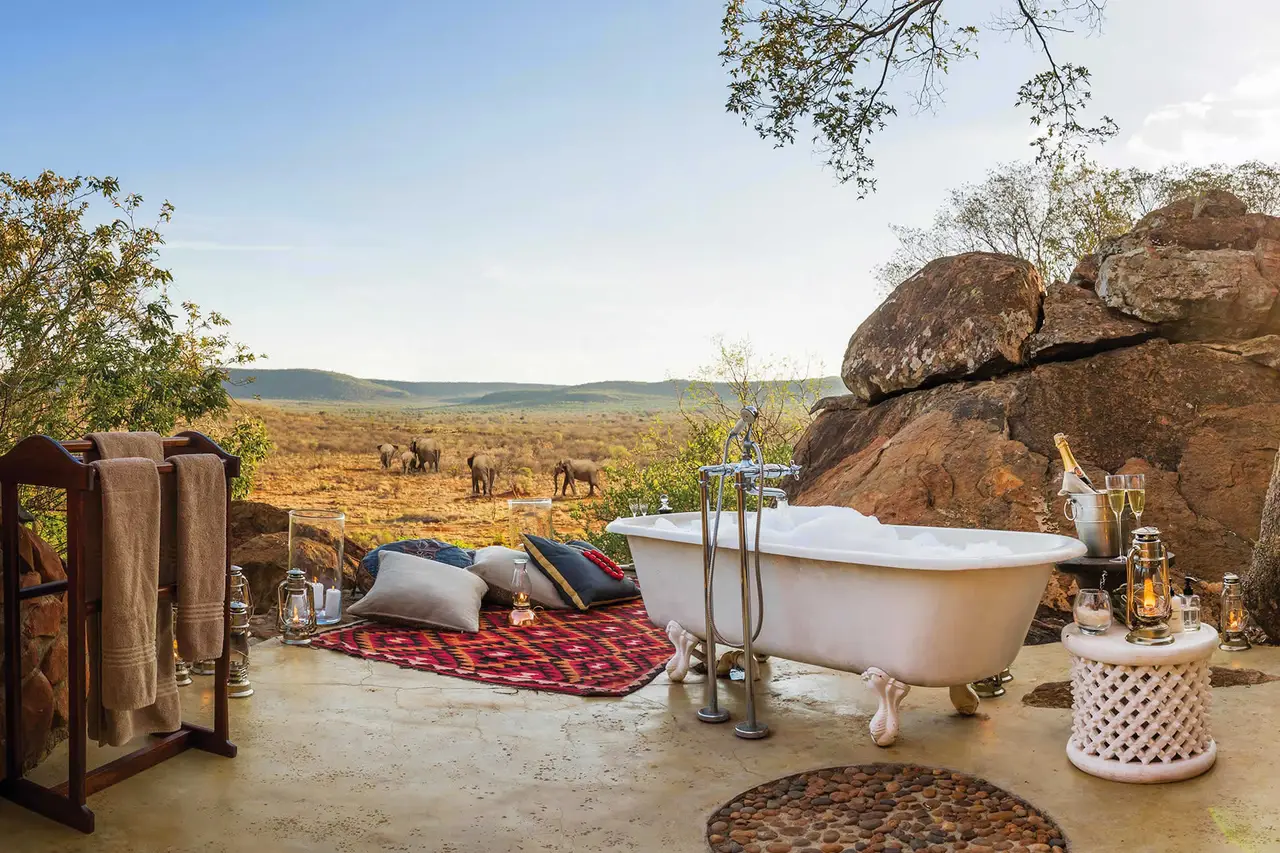
Guide
Honeymoon Safaris in Southern Tanzania & Zanzibar
This is where romance meets wilderness — private safaris in untouched landscapes followed by barefoot luxury on Zanzibar’s beaches. Designed for couples who want privacy, meaning, and a once-in-a-lifetime shared adventure.
Explore Guide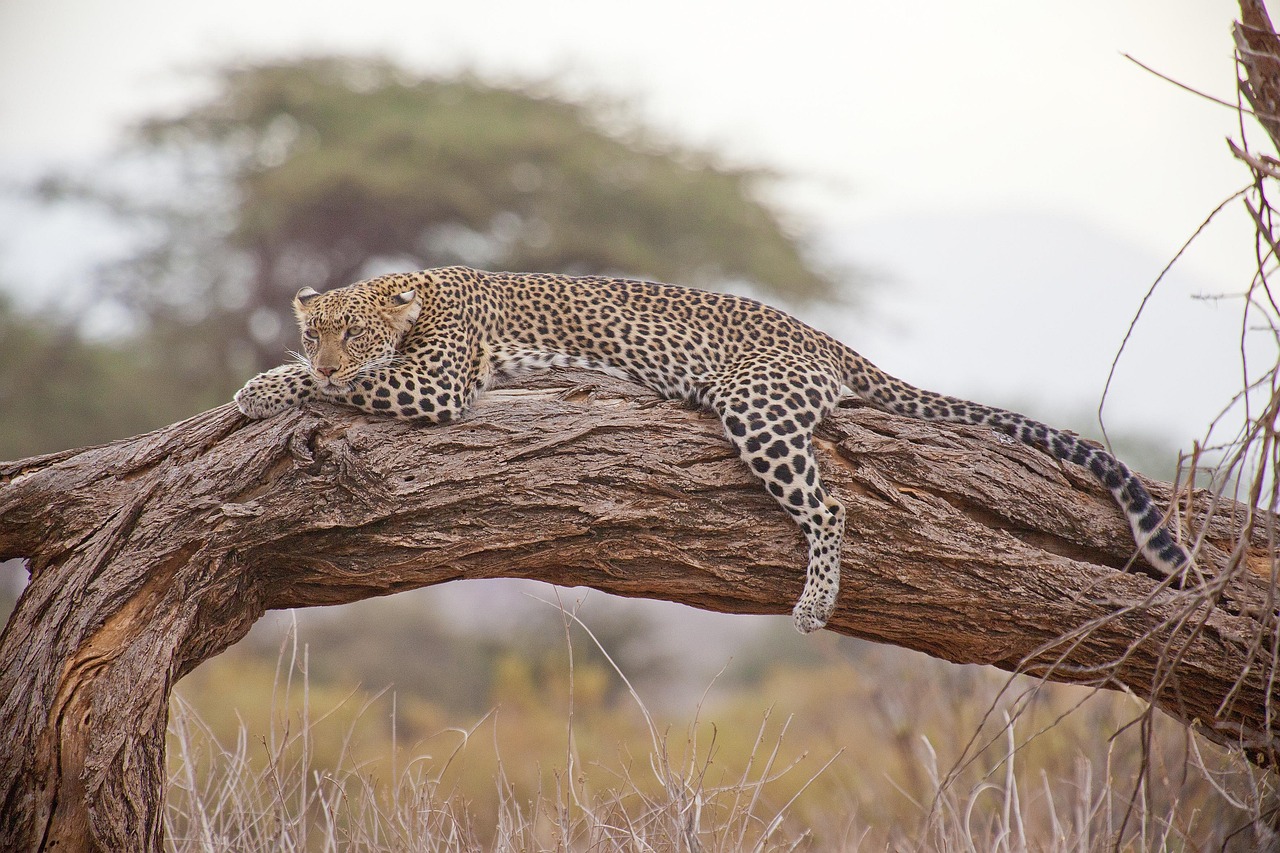
5 Days |
• Mikumi • Nyerere |
Mid-range / Family
Ideal 5-Day Mikumi & Nyerere Family Safari
A well-paced introduction to southern Tanzania, combining Mikumi’s open plains with Nyerere’s river ecosystem — ideal for families and first-time safari travelers.
View Itinerary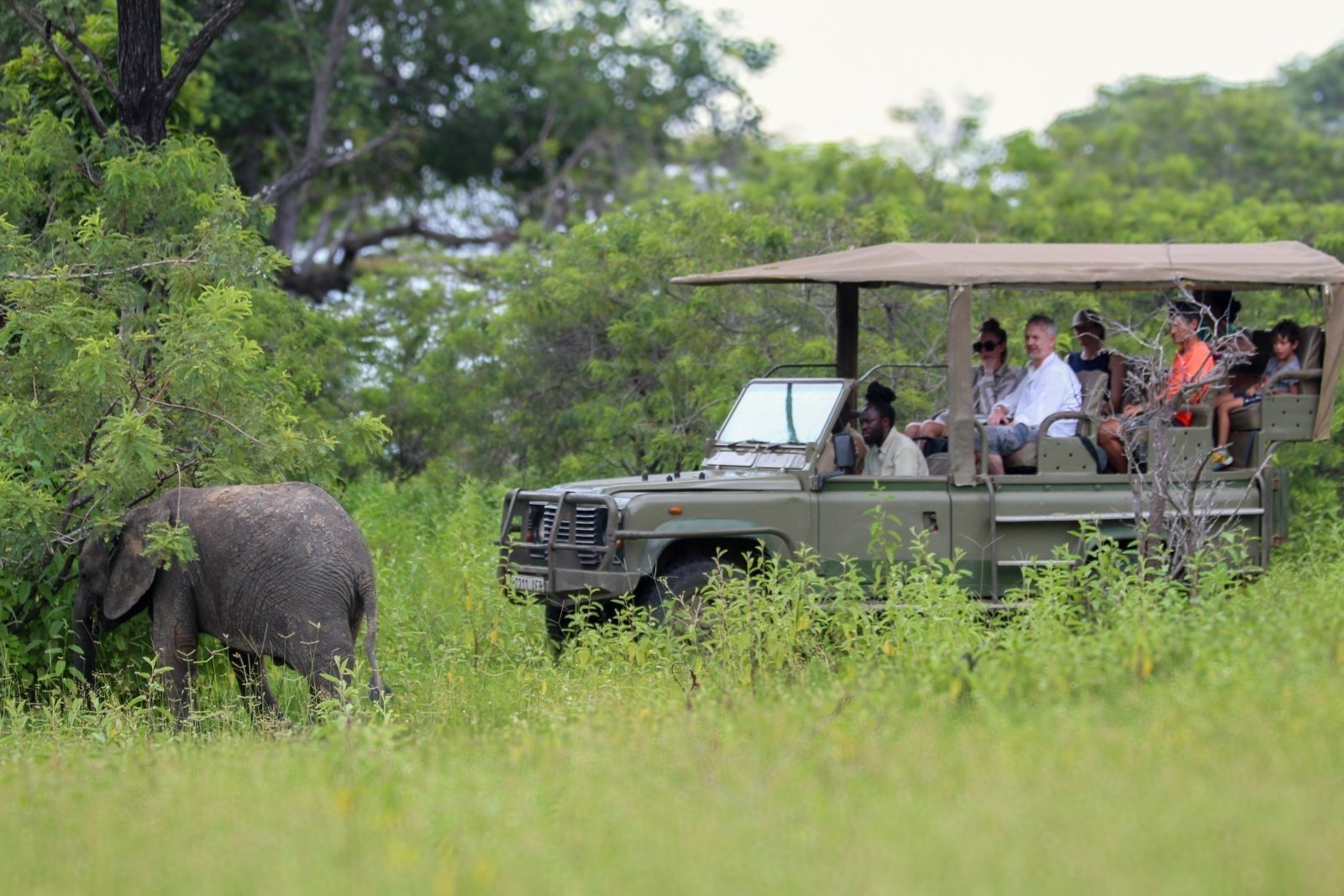
10 Days |
• Nyerere • Ruaha • Udzungwa |
Luxury
10-Day Southern Tanzania Luxury Safari
A refined journey through Nyerere, Udzungwa and Ruaha, combining river safaris with raw wilderness for travelers seeking space, privacy, and deeper wildlife immersion.
View Itinerary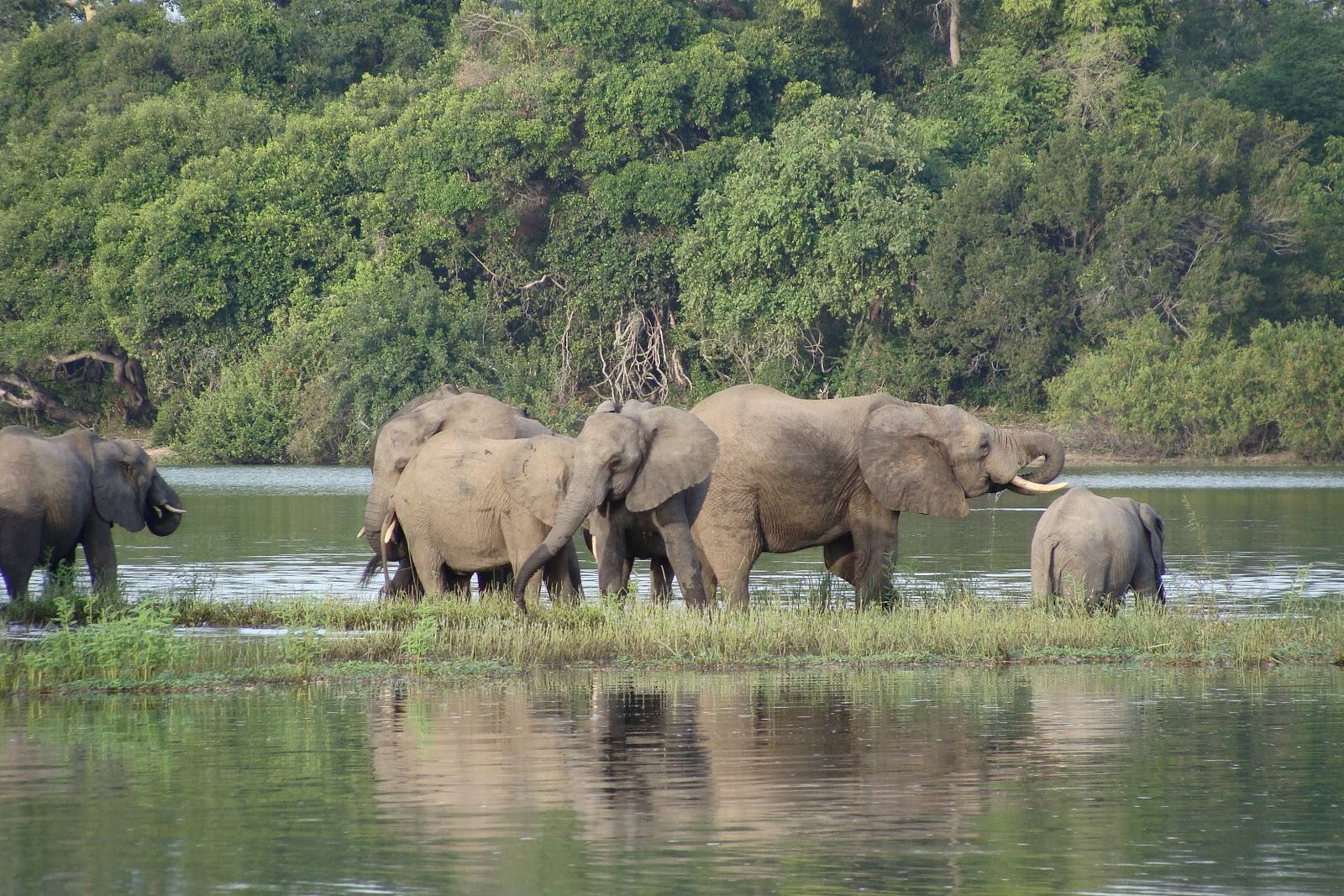
7 Days |
• Ruaha • Nyerere |
Mid-range
7-Day Ruaha & Nyerere Safari
A balanced safari across two contrasting ecosystems, blending Ruaha’s rugged terrain with Nyerere’s river-driven wildlife experience.
View Itinerary